


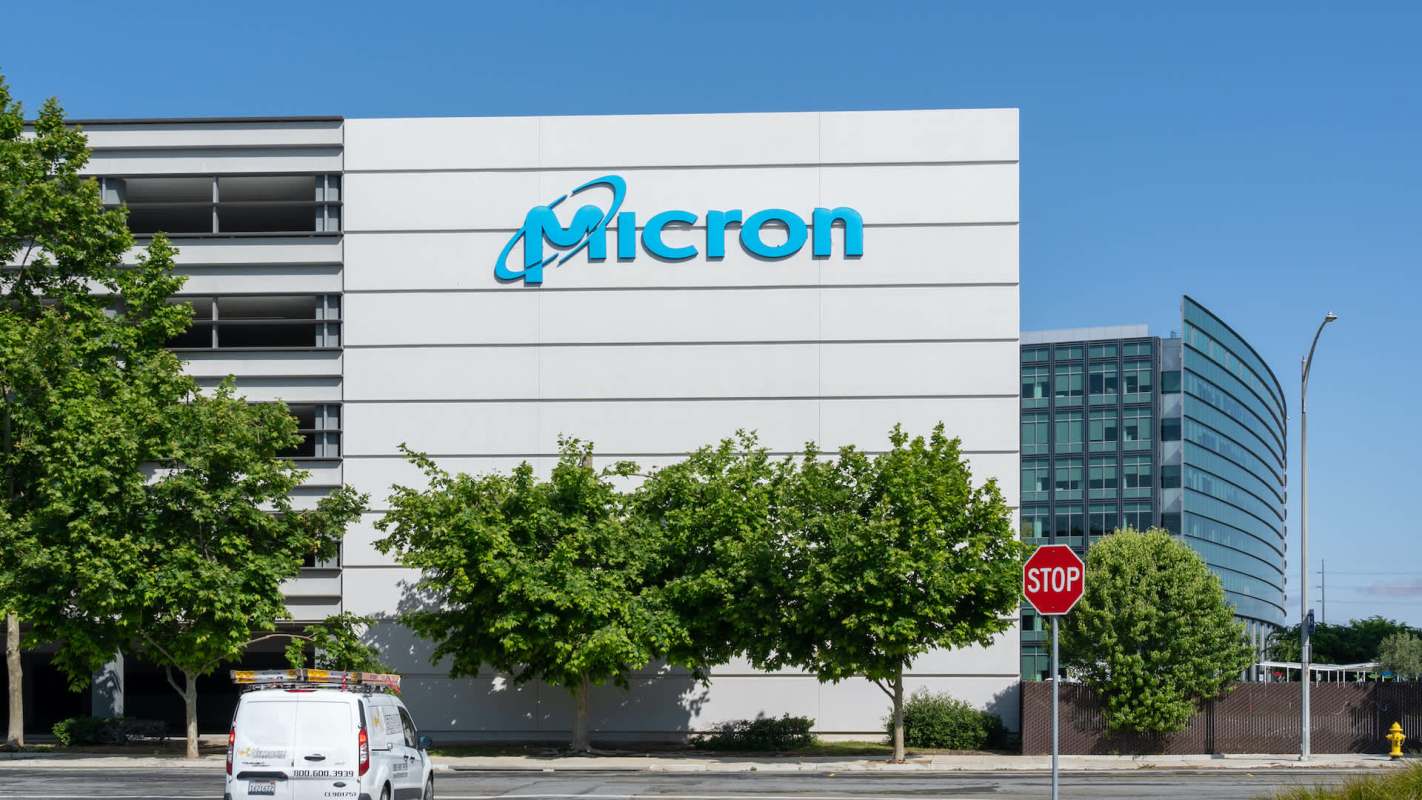
If you were hoping computer memory prices would cool off soon, Micron just suggested the opposite. The company told investors RAM shortages are expected to last into 2028, while warning customers to prepare for steeper prices.
Here's what to know
During Micron's fiscal 2026 earnings call, Micron CEO and chair Sanjay Mehrotra told investors that the company has already committed most of the memory it expects to make, according to The Register. He said customers should expect "much higher prices."
Micron also signaled that the shortage is not likely to ease soon. "In calendar 2027 as well as 2028, we see demand exceeding supply," he said. "In fact, we see greater tightness in the industry in 2027 and in 2028 versus 2026. Overall, supply-demand environment is only getting tighter."
Those forecasts arrived with results that show how profitable the business has become. Micron said its cloud memory business, which includes high-bandwidth memory used in AI hardware, posted a fiscal Q4 gross margin of 83%, up from 59%. Its core datacenter unit, which relies more heavily on DRAM, had a 90% gross margin, versus 41%.
Quarterly revenue climbed to $54.25 billion from $11.3 billion, while annual revenue reached $133.2 billion and net income rose 895% to $85 billion.
More background
Memory is a core component in the servers that run cloud services and artificial intelligence tools, and it is also used in many consumer electronics. When suppliers signal that prices are headed higher and availability will stay tight, those costs can ripple through the businesses buying components and eventually into what people pay for devices and digital services.
TCD Picks » Quince Spotlight
💡These best-sellers from Quince deliver affordable, sustainable luxury for all




According to The Register, Mehrotra said HBM demand is growing faster than demand for the DRAM that goes into servers.
The company also said it is trying to improve HBM profitability further, even though both memory categories already generate strong margins.
What's being done?
Micron said that it plans to open new factories in 2028 and spend $25 billion in capital expenditures. Still, Micron cautioned that those sites are not expected to rapidly increase availability or bring prices down.
The company is also pushing ahead with more advanced products. Mehrotra told investors Micron has "a strong roadmap for future HBM products" and said the company is working with NVIDIA on "the industry's first custom HBM4E implementation, NV-HBM," for next-generation GPUs and NVLink fusion platforms.
Micron also said that it still does not know when supply and demand will move back into balance.
Where can I learn more?
These stories dig into the supply crunches, demand spikes, and cost pressures behind the hardware boom Micron is describing. They cover competition for memory chips, rising electricity demand from AI, and broader manufacturing and pricing shifts across tech.
• Across the chip sector, companies are fighting for dwindling resources as memory demand keeps climbing.
• Across the AI and crypto sectors, utilities are bracing for soaring electricity demand that could lift operating costs.
• In the EV market, analysts expect battery prices to keep falling even as other tech components grow more expensive.
• In the Southwest Power Pool, planners expect a staggering 96% surge in electricity demand over the next decade.

Get TCD's free newsletters for easy tips, smart advice, and a chance to earn $5,000 toward home upgrades. To see more stories like this one, change your Google preferences here.






