


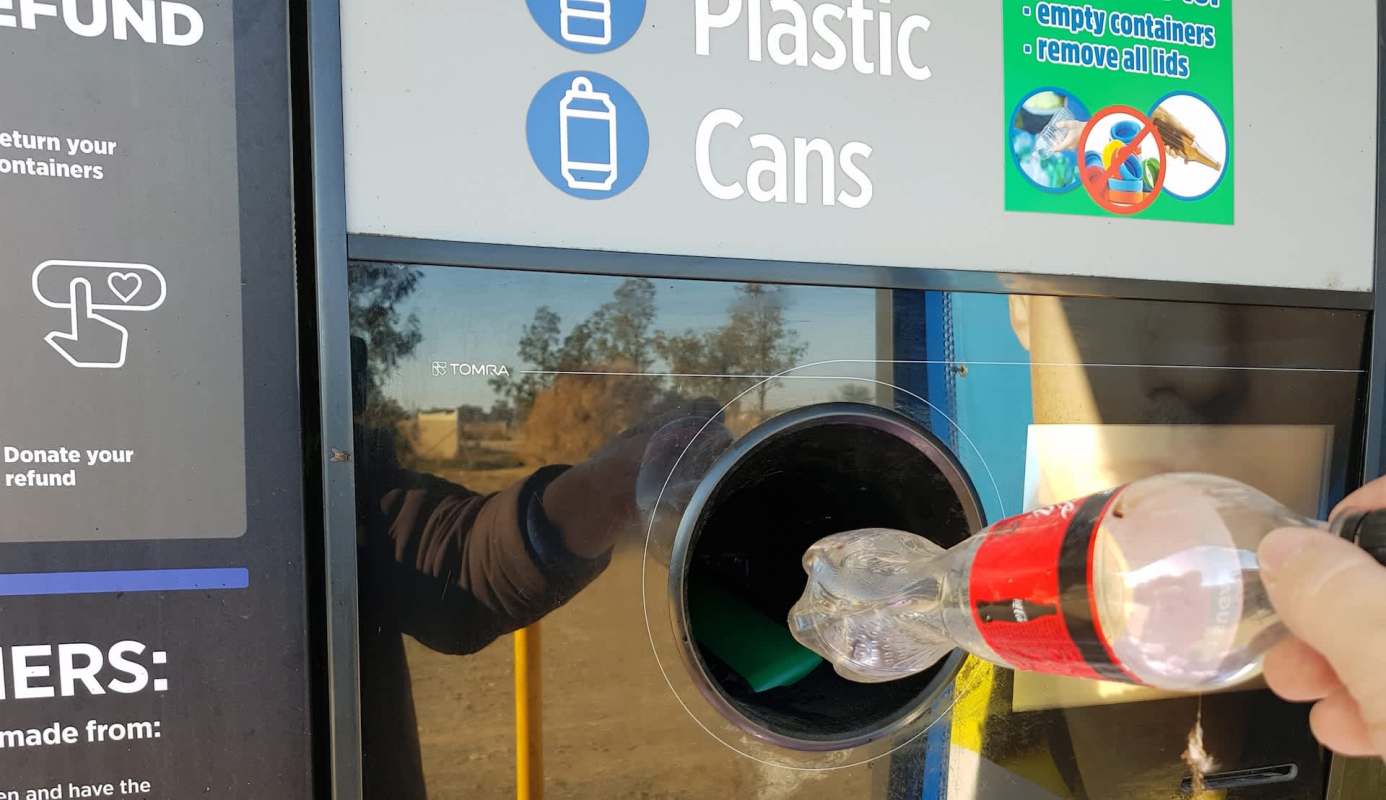
For 50 years, Michigan shoppers have been able to buy a drink, then bring the container back for a refund. The long-time bottle-deposit system is in jeopardy, with some independent retailers saying they no longer want to be the middleman.
Here's what to know
Michigan residents could still get their dime back, but returning bottles and cans somewhere other than the store could make one of the state's most familiar recycling habits harder to maintain.
The West Bloomfield-based Midwest Independent Retailers Association (MIRA) says the change is needed in part because of concerns about hygiene and food safety, as consumers bring used bottles and cans into stores after storing them in garages, leaving them outdoors, collecting them from roadsides, or retrieving them from garbage cans.
"Let's take the trash out of grocery stores," said Bill Wild, MIRA's CEO.
More background
Michigan voters approved the Bottle Bill in a 1976 referendum, which established a 10-cent deposit on eligible beverage containers. The program affects more than 1,000 retailers represented by MIRA, which has operated in Michigan since 1910.
Under the current system, retailers must accept returned containers, creating what MIRA describes as an ongoing operational and financial burden. Retailers must provide labor to handle returns, operate redemption machines, and dedicate space to storing collected containers.
TCD Picks » Quince Spotlight
💡These best-sellers from Quince deliver affordable, sustainable luxury for all




"Our retailers have been dealing with the economic burdens for years, for labor, the machines, the storage space," Wild said. "Putting that burden back onto the retailer in basically a system that's a pass-through — they are not making money off of this — it doesn't seem right."
The association also points to changes in consumer behavior. Some people are increasingly leaving deposit containers in curbside recycling rather than returning them to stores, particularly when they decide the effort required to get the 10-cent deposit isn't worth it.
What's being done?
MIRA is calling for the program to be phased out over two years while the state develops a new redemption system. Possible alternatives include standalone recycling centers or curbside recycling programs that would separate bottle and can returns from grocery stores.
How the system changes could help determine whether shopper convenience remains a core part of the program. The goal would be to maintain a system for collecting beverage containers while addressing retailers' concerns about sanitation, labor, equipment, and storage costs.
Where can I learn more?
As Michigan debates where bottle and can returns should happen, programs elsewhere offer a useful point of comparison. These stories look at container redemption, packaging fees, reusable bottles, and other store-level waste rules.
• In Tasmania, over 1 million cans were returned in four days under a new refund program.
• In California and Colorado, brands are scrambling as states roll out packaging fees.
• In Brazil, Ambev is betting on redesigned reusable glass bottles to reshape beverage packaging.
• In California, lawmakers approved a ban on plastic bags at grocery checkouts.
• In Maryland's Montgomery County, officials nearly doubled a tax on paper bags to curb waste.

Get TCD's free newsletters for easy tips, smart advice, and a chance to earn $5,000 toward home upgrades. To see more stories like this one, change your Google preferences here.






