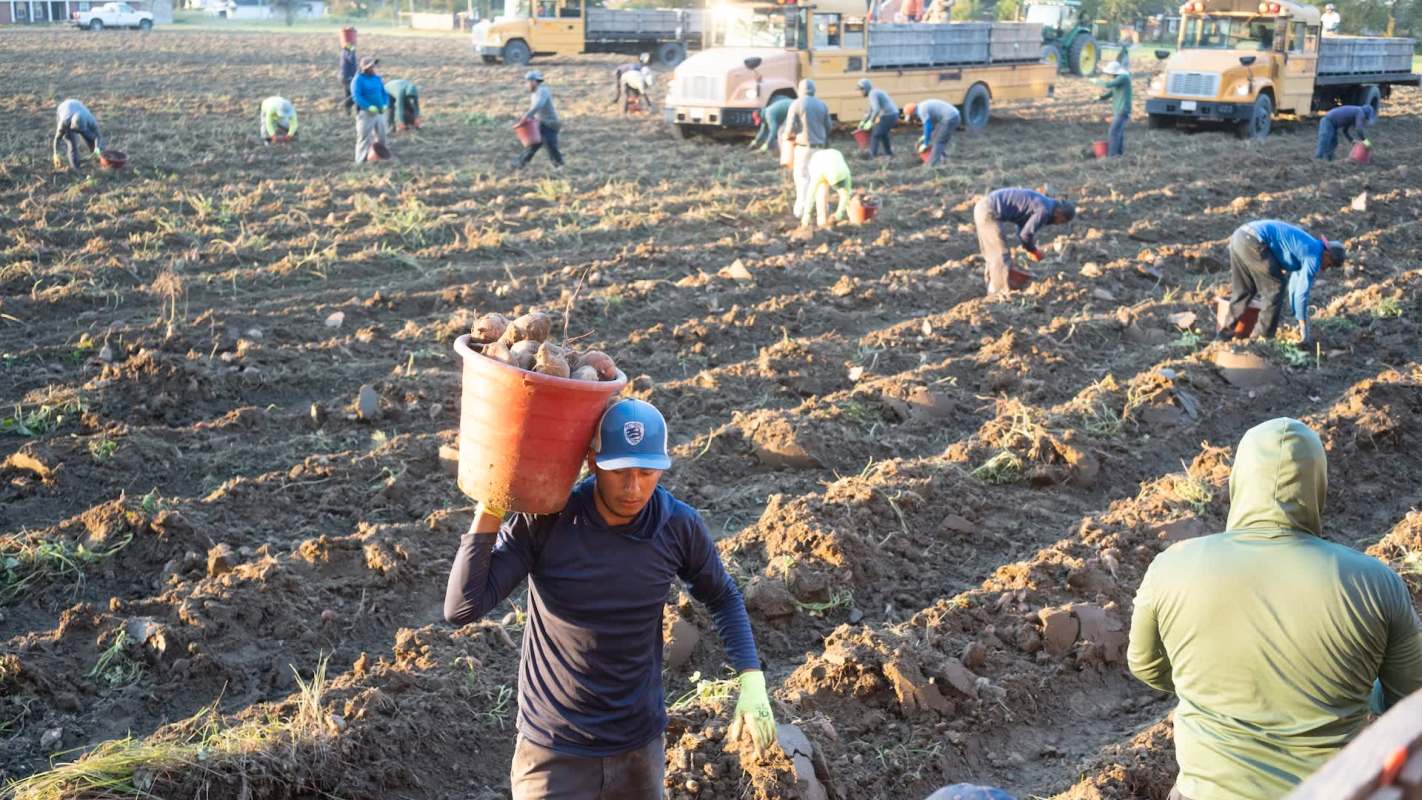
A settlement has resolved a federal case brought by two Michigan farmworkers who said deportation threats were used to keep them from leaving their jobs, ending one phase of a lawsuit that cast a harsh light on the treatment of vulnerable migrant laborers.
The agreement's terms are confidential, but the dispute still highlights advocates' concerns that some workplace practices can leave migrant workers exposed to exploitation and unsafe conditions.
What happened?
No details of the settlement were released, and the agreement does not amount to an admission of wrongdoing.
It ends a federal lawsuit in which Feliciano Velasco Rojas and Luis Guzman Rojas accused First Pick Farms and related companies of violating the Trafficking Victims Protection Act and the Migrant and Seasonal Agricultural Worker Protection Act, according to The Packer.
According to the lawsuit, the men alleged that conditions at a blueberry farm in West Olive, Michigan, included long work hours and unsafe housing.
The 2023 case says they and 30 other H-2A workers were brought from North Carolina to the farm and were threatened with immigration action or deportation if they complained or tried to leave.
TCD Picks » Good Store Spotlight
Get 10% off your next purchase with code TCD10




The case had already moved through several significant stages. In 2025, U.S. Magistrate Judge Sally J. Berens ruled that the two men's trafficking claims could proceed, and on January 2, 2026, Judge Paul Maloney allowed the trafficking and labor claims to move into discovery.
Why does it matter?
Julia Solórzano, legal and policy director at Centro de los Derechos del Migrante, framed the issue this way in comments cited by The Packer: "The H-2A program ties a worker's legal status to their employer, creating a structural 'chilling effect' that punishes those who speak out against abuse."
Because H-2A workers are essential to a food system many families depend on, allegations like these raise concerns that some workers may encounter unsafe housing, intimidation, or retaliation when they try to protect themselves.
What's being done?
The two men were represented by several worker-rights groups — including Farmworker Legal Services, the Michigan Immigrant Rights Center, Farmworker Justice, and Centro de los Derechos del Migrante — and the organizations said the case may help clarify how existing anti-trafficking and labor laws apply to agricultural work.
TCD Picks » Quince Spotlight
💡These best-sellers from Quince deliver affordable, sustainable luxury for all




Gonzalo Peralta of the Michigan Immigrant Rights Center said the rulings in the case may provide clearer guidance for both workers and employers.
"This is just another step in the judiciary taking the steps to make inroads and clarify these issues going forward so that it provides a roadmap, not only for potential workers who may face some issues with their employment but also for employers so they know how to proceed as well," he said.
He also said the work extends beyond this settlement.
"How proud we are to have represented these brave workers who made sure that their voices were heard," Peralta added.

Get TCD's free newsletters for easy tips, smart advice, and a chance to earn $5,000 toward home upgrades. To see more stories like this one, change your Google preferences here.