


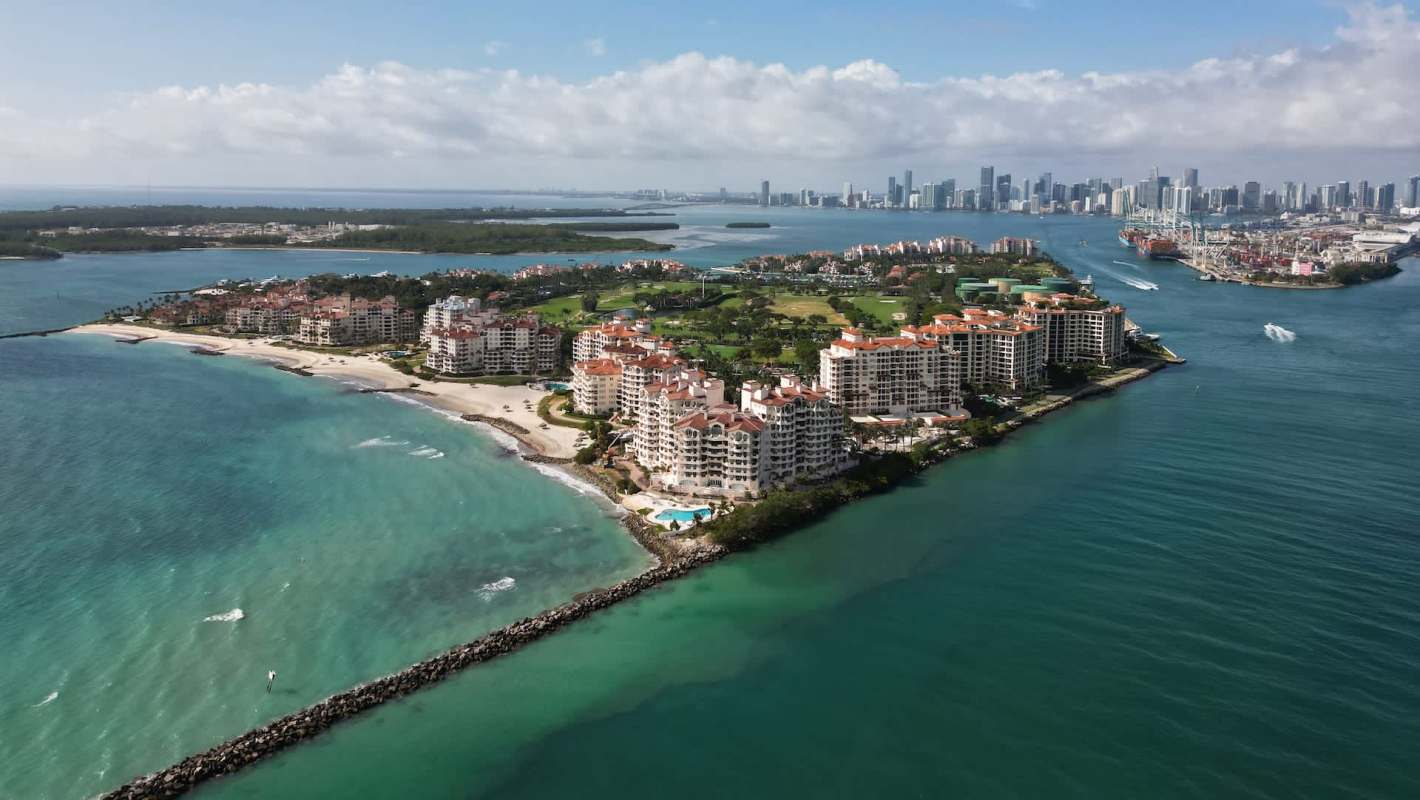
After negotiations over a roughly $400 million buyback collapsed, Miami-Dade County Mayor Daniella Levine Cava said the county will seek to take over a 10-acre property on ultra-exclusive Fisher Island.
The disputed site contains a fuel depot used by the Port of Miami, but developers have proposed replacing it with luxury condo towers.
What happened?
Last year, the parcel sold for about $180 million to a development group that includes Jorge Pérez, the Miami real estate mogul often called the "condo king."
The developers' plan would remove the maritime fuel facility and replace it with two 13-story luxury condo towers, with top units expected to sell for $100 million, the Insurance Journal reported.
That proposal reportedly appealed to some Fisher Island residents, who saw the fuel depot as both an eyesore and a health concern.
But the plan also drew concern because the site stores fuel for the port, a major cruise and cargo hub.
TCD Picks » Quince Spotlight
💡These best-sellers from Quince deliver affordable, sustainable luxury for all




Because the property is tied to the port's fuel supply, Miami-Dade County entered mediation to try to buy it back. Court documents said those talks produced a tentative deal worth about $400 million.
But Levine Cava rejected that outcome, saying, "The price was simply too high."
Instead, the county will move ahead via eminent domain, a process that allows governments to take property for public use while a court determines fair market value.
Why does it matter?
The fossil fuel industry has several adverse effects on people and communities. It is a major driver of increasingly frequent and severe extreme weather disasters that destroy homes, livelihoods, and economies. It also contributes to air and water pollution linked to asthma, heart disease, cancer, and premature death.
These fuels can keep household energy costs high even as corporate profits rise, while industry lobbying continues to slow the transition to cleaner, more affordable energy sources.
Ports and shipping hubs also still rely heavily on petroleum-based fuels, leaving local governments in the difficult position of defending polluting infrastructure when cleaner alternatives remain limited.
On Fisher Island, the last sliver of developable land in a ZIP code known for private beaches, marinas, and a country club, that tension is now playing out in public.
"We have a responsibility to be good stewards of public funds and protect the public interest," Levine Cava said, per the Journal. "We remain committed to ensuring PortMiami has the reliable fuel supply it needs to continue its operations."
Development partner HRP Group, meanwhile, called the project a "generational opportunity" and said: "Seizing private property is not the solution for public failure. We will defend against and defeat any attempt to condemn the property."

Get TCD's free newsletters for easy tips, smart advice, and a chance to earn $5,000 toward home upgrades. To see more stories like this one, change your Google preferences here.






