


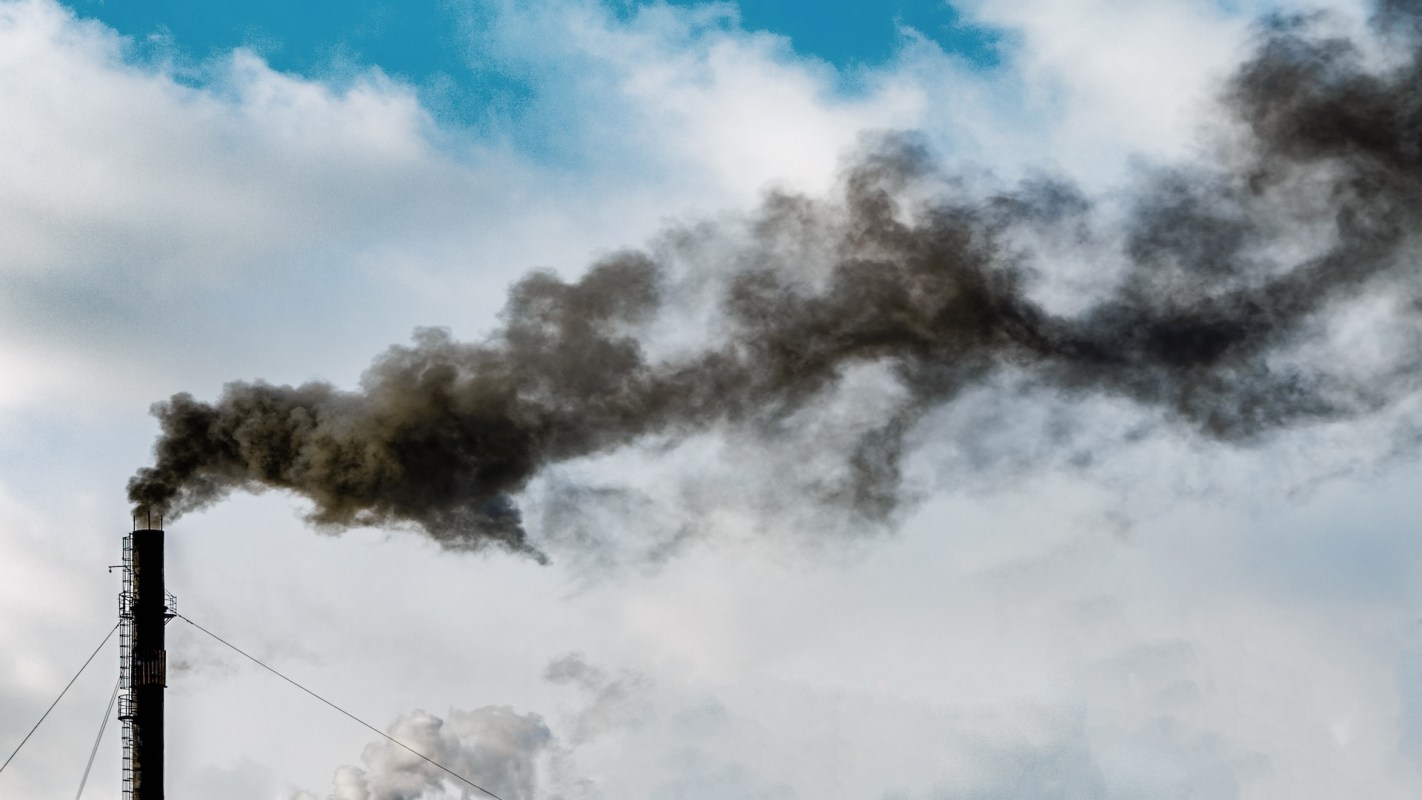
Metro Vancouver has secured a search warrant for records at Burnaby's Parkland Refinery as it escalates its response to the January 2024 malfunction that spread a foul-smelling haze across parts of the region and could support fines of up to $1.2 million.
Here's what to know
Granted on May 8, the warrant authorizes Metro Vancouver to seize dozens of records — including emissions monitoring data, logbooks, maintenance records, shift schedules, and a list of substances workers on-site were exposed to during the release, CBC News reported.
@cbcbritishcolumbia A burnt-plastic smell and haze blanketed parts of Metro Vancouver in January 2024. Hundreds of people called emergency lines, reporting symptoms including headaches, coughing and dizziness. Now, Metro Vancouver is pursuing up to $1.2 million in fines against Burnaby's Parkland Refinery and has a search warrant for documents investigators believe could reveal what happened. #CBCNews #Vancouver #News #Parkland #Burnaby ♬ original sound - CBC British Columbia
District environment enforcement officer Jason Mushtuk said those records could help establish multiple air quality offenses, per CBC News.
Metro Vancouver received 171 complaints about the Jan. 21, 2024 incident, and the City of Vancouver received another 144.
Court records say the odorous haze was followed by reports of headaches, coughing, dizziness, nausea, breathing issues, and vomiting.
More background
The filing further alleges that Parkland did not immediately report a malfunction it knew about on Jan. 20, a separate bylaw matter that could bring a fine of up to $200,000 in addition to a possible $1 million penalty for excessive emissions.
TCD Picks » Quince Spotlight
💡These best-sellers from Quince deliver affordable, sustainable luxury for all




CBC reported that Metro Vancouver linked the incident to a cold snap and to an emergency shutdown of the refinery's fluid catalytic cracking unit on Jan. 12, 2024.
After the unit was restarted on Jan. 20, torch oil is believed to have leaked into equipment and combusted, first causing stack opacity to spike and then leading to darker emissions overnight.
Shortly before 7:30 a.m. on Jan. 21, workers reportedly heard a "loud pop" and saw the plume change "from white-grey to green-black."
Metro Vancouver logged its first public complaint at 7:55 a.m., while Parkland environment manager Vicki Bowman notified the district at 8:30 a.m. Public advisories followed.
Court records list the likely pollutants as polycyclic aromatic hydrocarbons, benzene, aldehydes, alkanes, and alkenes, and CBC noted that PAHs and benzene are classified as carcinogens in Canada.
The plume also affected commerce. The DP World Canada facility at the Port of Vancouver shut down because of the emissions, resulting in losses of more than $600,000.
What's being done?
Mushtuk said the records are needed to piece together what happened, determine what corrective actions followed, and assess whether the release could have been prevented.
Parkland says it is cooperating but has declined further comment.
In court filings, Parkland environmental safety director Jacki Hess said disclosing the records could expose sensitive information and wrote that "the disclosure of that information would significantly harm Parkland's competitive position and interfere with [its] negotiating position," CBC reported.
Metro Vancouver has not said whether it intends to handle the case through adjudication or the courts.
Since 1998, the regional district has produced $1.45 million in fines, and no penalty has exceeded $300,000.
Sunoco, the Texas-based company that owns the Parkland refinery, reported more than $3 billion in profit.
As Mushtuk wrote in the warrant request, the documents may help "establish and prove that Parkland could have taken reasonable measures to prevent the discharge of unauthorized air contaminant."
Where can I learn more?
These stories dig deeper into the health risks and legal battles tied to industrial air pollution. They cover refinery penalties and broader pollution harms affecting communities.
• Across the United States, oil and gas pollution is driving asthma and premature deaths.
• In Ohio, a refinery faced a multimillion-dollar penalty after pollution endangered nearby residents.
• In Louisiana, judges allowed new air permits for a chemical complex despite residents' fears.

Get TCD's free newsletters for easy tips, smart advice, and a chance to earn $5,000 toward home upgrades. To see more stories like this one, change your Google preferences here.






