


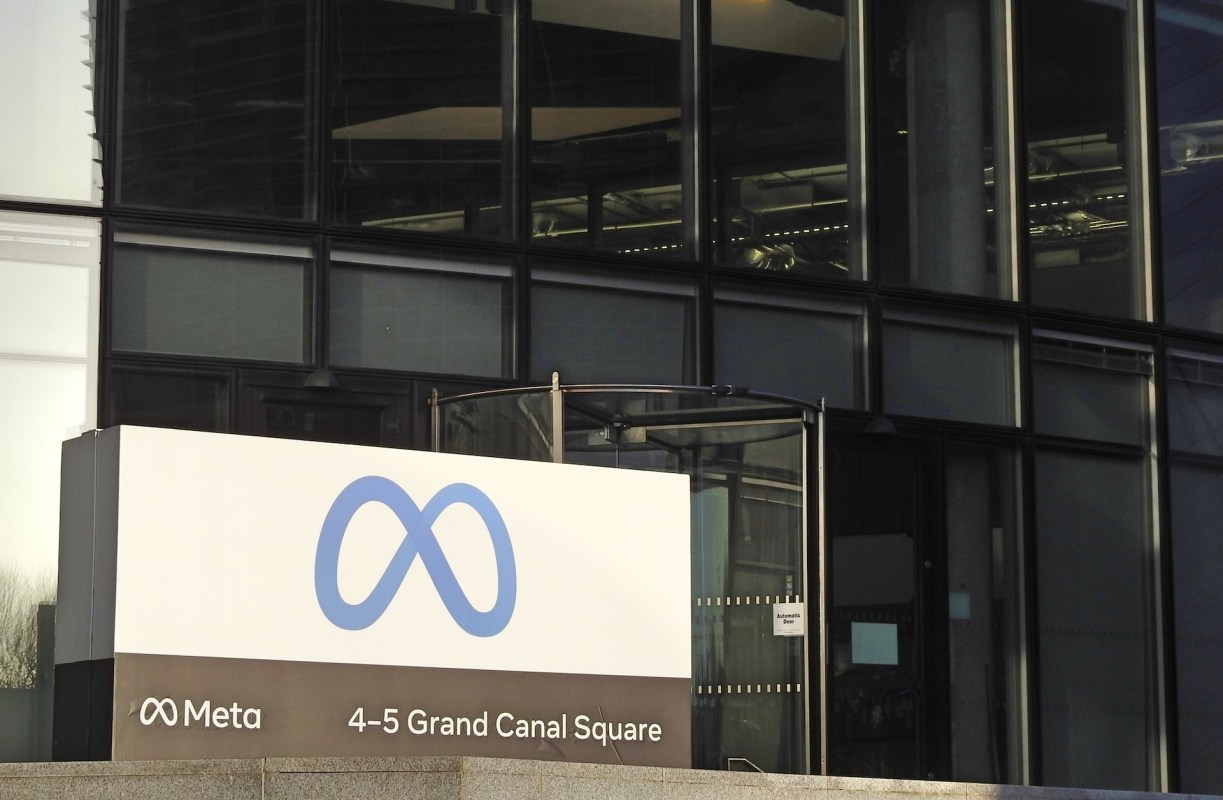
Meta employees are reportedly pushing back after the company installed mouse-tracking software on every company device, adding another layer of internal surveillance, as the tech giant has spent hundreds of billions of dollars trying to stay ahead in the artificial intelligence race.
The development is raising concerns not only about privacy and worker trust, but also about the broader direction of an industry that is reshaping offices, energy demand, and digital infrastructure all at once.
What is happening?
According to Fast Company, Meta has installed mouse-tracking surveillance software across all company devices, prompting resistance from employees who view the tool as invasive. The rollout comes as Meta has poured hundreds of billions of dollars into AI development to outpace rivals, highlighting how the push to build more powerful systems is affecting not only data centers and supply chains but also everyday workplace culture.
At its most basic, mouse-tracking software can monitor cursor movement and other patterns of computer activity. Companies often describe these tools as ways to develop AI models, improve security, or confirm device use, but workers and labor advocates have long warned that this type of monitoring can blur the line between legitimate IT management and constant surveillance.
Why is Meta's device tracking concerning?
Workplace surveillance is already expanding across industries, and Meta's reported decision shows how quickly that trend can spread when companies are under pressure to move faster, reduce risk, and demonstrate productivity. Monitoring every company device may give management more visibility, but it can also create a workplace where employees feel watched rather than supported.
The race to dominate AI is changing how businesses operate from the inside out, often in ways that are easy to overlook at first. New AI systems can help with coding, translation, research, and even the management of complex energy systems. But building and operating those systems also requires enormous computing power, which means more pressure on the electric grid and, in many cases, more water use to keep servers cool.
TCD Picks » Quince Spotlight
💡These best-sellers from Quince deliver affordable, sustainable luxury for all




That connection between AI and the grid is becoming harder to ignore. On one hand, AI can help utilities balance electricity demand, integrate more solar and wind power, forecast outages, and make buildings and factories more efficient. Used thoughtfully, it could support cleaner, smarter infrastructure.
On the other hand, AI data centers can consume huge amounts of electricity and water, raise questions about where that power comes from, and potentially contribute to higher costs for surrounding communities if grid upgrades and new demand are not managed carefully. There are also broader risks tied to misuse, cybersecurity, misinformation, and other unintended social consequences.
What's being done about Meta's device tracking?
Pushback from employees is one of the first checks on this kind of monitoring, and it can make a difference. Internal resistance often pushes companies to explain why tools were installed, what data is being collected, how long it is stored, and whether workers have any say in how the systems are used.
According to Reuters, Meta employees are doing just that. Flyers have been posted in Meta offices across the U.S., encouraging workers to sign a petition opposing the mouse-tracking software. One flyer read, "Don't want to work at the Employee Data Extraction Factory?" according to the photos seen by Reuters.
More broadly, privacy advocates, labor groups, and regulators have been calling for clearer rules around employee surveillance and AI accountability. Stronger disclosure requirements, limits on unnecessary tracking, independent audits, and worker consultation before monitoring tools are deployed could help restore some balance.
There are also steps companies can take as they expand AI. They can invest in more efficient chips and software, power data centers with cleaner energy, improve transparency around water use, and set policies that prevent AI-related security or monitoring tools from being used in overly invasive ways.

Get TCD's free newsletters for easy tips, smart advice, and a chance to earn $5,000 toward home upgrades. To see more stories like this one, change your Google preferences here.






