Massachusetts residents are using less water, but many are still paying more for it — and a local video explainer says conservation is only a small part of the story.
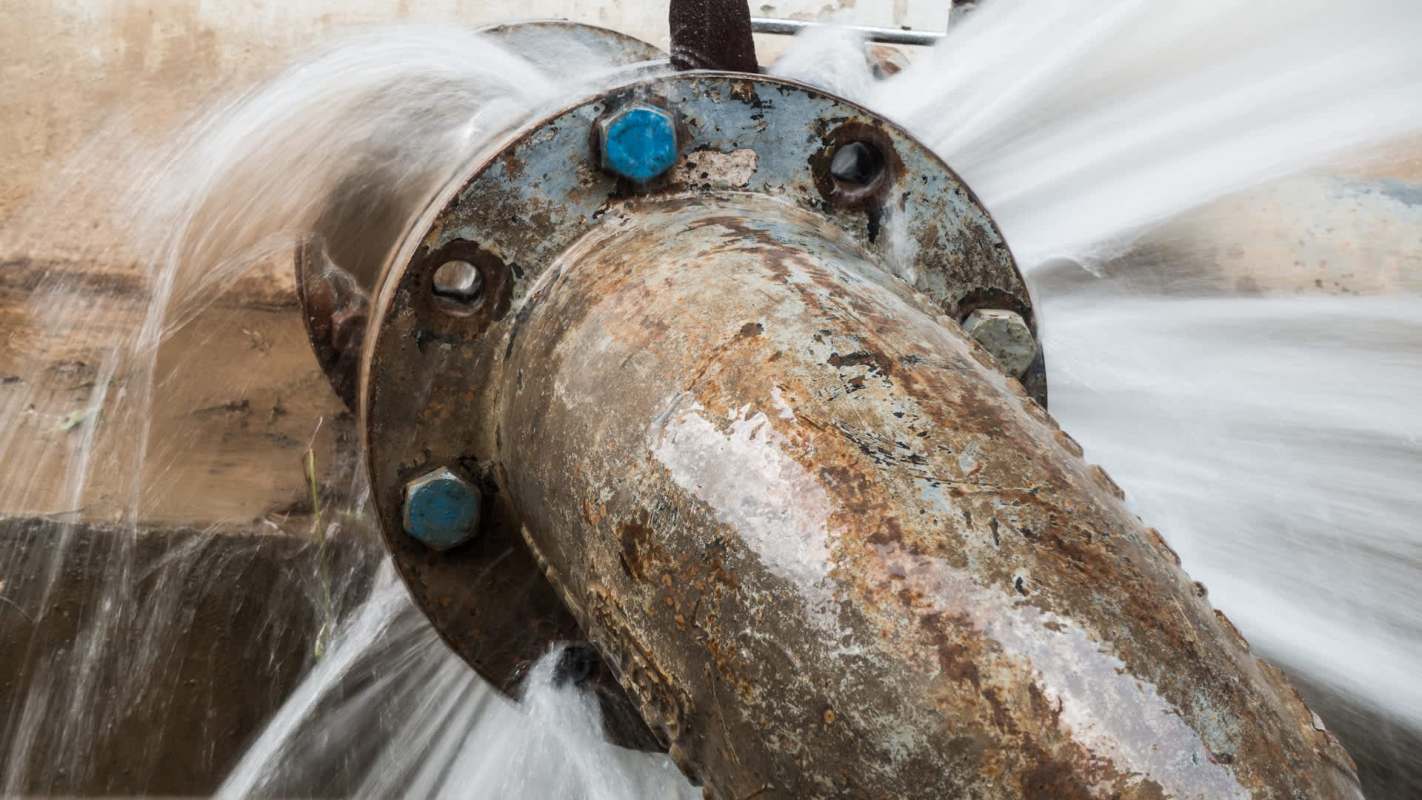
The bigger drivers behind rising bills are aging infrastructure, repair costs, and the debt cities and towns take on to keep water and sewer systems running.
Here's what to know
Water bills are driven largely by fixed system expenses, so lower home use does not automatically mean lower charges. In an explainer video by Mike Urban (@mikeurban), he says residents still pay for old pipes, treatment facilities, pumps, testing, repairs, and regulatory requirements.
Urban put it bluntly: "We are using less water, but somehow your bills continuously go up."
Swampscott is presented as a case in point. Lower consumption reduced some water and sewer assessment costs in fiscal year 2025, yet the town's fiscal year 2026 water budget still rose by about 3.7%, largely due to debt service for water main replacement, while sewer costs increased by about 7.1%.
Even when usage falls, many of the biggest expenses remain.
TCD Picks » Quince Spotlight
💡These best-sellers from Quince deliver affordable, sustainable luxury for all




More background
As an example of the state's infrastructure problems, Urban cites Haverhill, where a 42-inch sewer line broke during the Fourth of July holiday, discharging untreated sewage into the Merrimack River.
The video describes such failures as both a public health danger and a financial burden on communities with aging systems. It also highlights Governor Maura Healey's announcement of roughly $1.24 billion in 2025 water and wastewater financing eligibility, while noting that much of it still must be repaid.
One commenter wrote, "I'm in MA. $180 typical per quarter, for our household of 3. Just paid $350 this time."
Another commenter asked, "Generally curious, who else has seen a massive increase in their bills over the last few years?"
What's being done?
One state program is meant to address part of the problem: the Commonwealth Sewer Rate Relief Fund, which helps cushion sewer rate increases linked to qualifying debt service.
The explainer argues that the fund is too small to match the scale of the issue. Healey recommended no money for it in fiscal years 2024, 2025, and 2026. Lawmakers added $1.5 million in 2024 and again in 2026, and those vetoes were overridden. In 2025, the veto stood, leaving the fund with zero dollars.
The video also argues that some borrowing help has become less favorable, including for certain PFAS-related upgrades involving chemicals often called forever chemicals. If municipalities still have to complete those projects under pricier financing terms, residents could see the impact in higher bills.
Urban said, "They are going to continue to tell people to conserve while handing their own town another loan and then acting confused when the bill shows up."

Get TCD's free newsletters for easy tips, smart advice, and a chance to earn $5,000 toward home upgrades. To see more stories like this one, change your Google preferences here.