


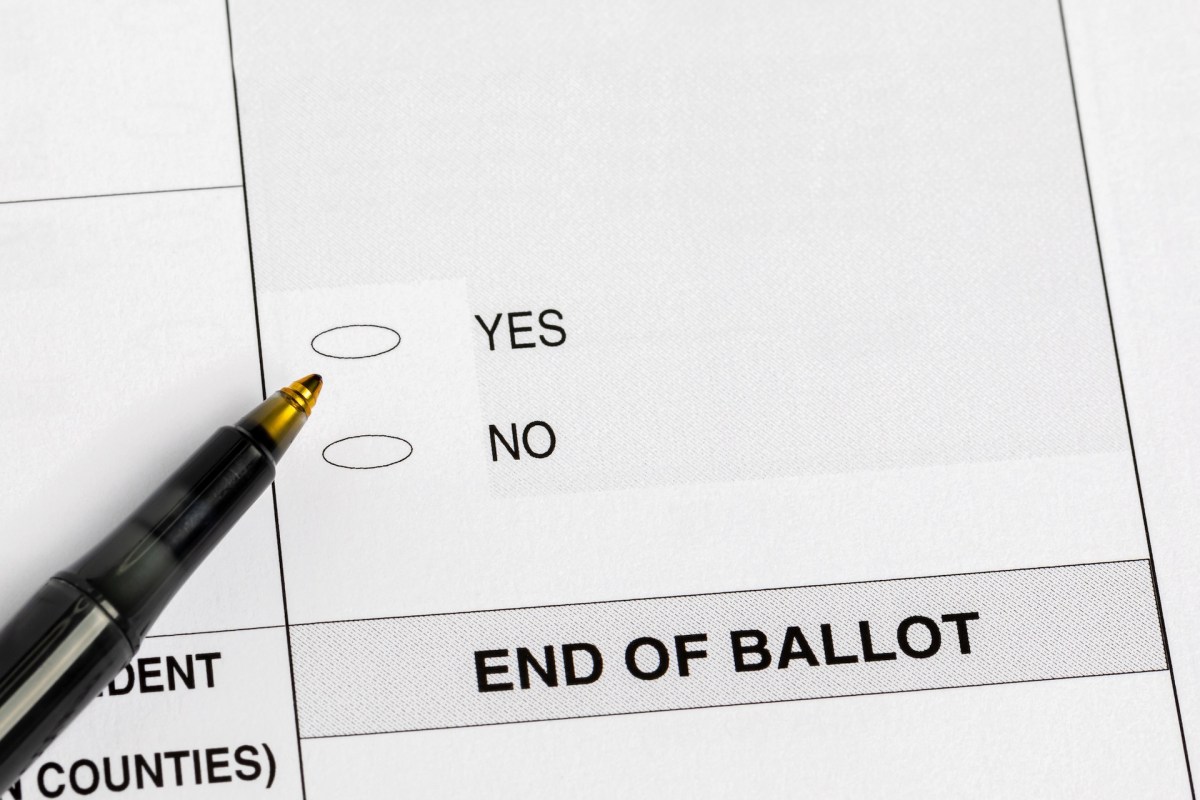
Massachusetts voters are weighing a ballot measure that could increase tax refunds, but it could reduce funding for major public services.
Here's what to know
According to WHDH, Question 5 would revise Massachusetts' annual tax revenue cap, currently calculated using the maximum it was allowed to collect in the previous fiscal year.
Voters approved the cap in 1986, requiring taxpayers to receive a refund of any revenue collected above the limit. The rule has come into play only twice — once in 1987 and again in 2022, when a post-pandemic stock-market surge led to about $3 billion in refunds.
If Question 5 passes, starting July 1, 2027, the cap limit would be pegged to what the state actually brought in the previous year, including income tax revenue from the millionaire's tax.
Taxpayers for an Affordable Massachusetts and the Massachusetts Opportunity Alliance, a coalition formed by the Massachusetts High Technology Council, the Pioneer Institute, and the Massachusetts Competitive Partnership, lead support for the measure.
Chris Keohan, spokesperson for Taxpayers for an Affordable Massachusetts, said, "If you recall, it had been so long since the last refund that most folks, including the state government, forgot this law even existed. This is really to focus folks in and make sure that we are growing at a reasonable limit so that we're not continuously putting the burden back on working families here in Massachusetts."
TCD Picks » Quince Spotlight
💡These best-sellers from Quince deliver affordable, sustainable luxury for all




More background
A Tufts Center for State Policy Analysis study cited by WHDH said the revised formula could lead to refunds two to four times more often, with taxpayers possibly receiving up to $250 a year.
Still, Tufts researchers warned that the new formula could be problematic.
"Imagine that you have a recession and revenues collapse. But the year after that they bounce back," said Evana Horowitz, executive director at the Tufts Center for State Policy Analysis. "That bounce back looks like a big jump in revenue. Is it a big jump in revenue? No. You're still way below what you used to be, and you could easily have refunds in that situation, which is bad for the state."
Refunds in those circumstances could leave lawmakers with less room to balance the budget, straining spending on education, healthcare, and affordable housing.
What's being done?
By tightening the cap through Question 5, supporters say the state could slow government growth, push lawmakers toward more deliberate budget planning, and make refunds more likely instead of leaving taxpayers to wait decades between them.
"The budget can grow every year, but within reasonable limits," said Keohan. "That's why we have such an affordability crisis here in Massachusetts. This is one of the many pieces that could be adopted to make it more affordable to live here."
However, some argue the state needs room to adapt as costs rise and public priorities shift over time.
Phineas Baxandall, director of research and policy analysis at the Massachusetts Budget and Policy Center, warned that locking growth into a stricter formula could make it harder for the state to respond to those changes.
Where can I learn more?
Debates over taxes, ballot measures, and public spending are happening all across the globe.
• In California, lawmakers advanced a $10 billion climate bond for voters to decide in 2024.
• In Austria, leaders reconsidered a controversial tax benefit as they moved to close a budget deficit.
• In Richmond, Virginia, officials weighed a new plastic bag tax with sharp small-business concerns.
• Across the U.S., it will soon become harder to claim the rebate for some electric vehicles.

Get TCD's free newsletters for easy tips, smart advice, and a chance to earn $5,000 toward home upgrades. To see more stories like this one, change your Google preferences here.






