


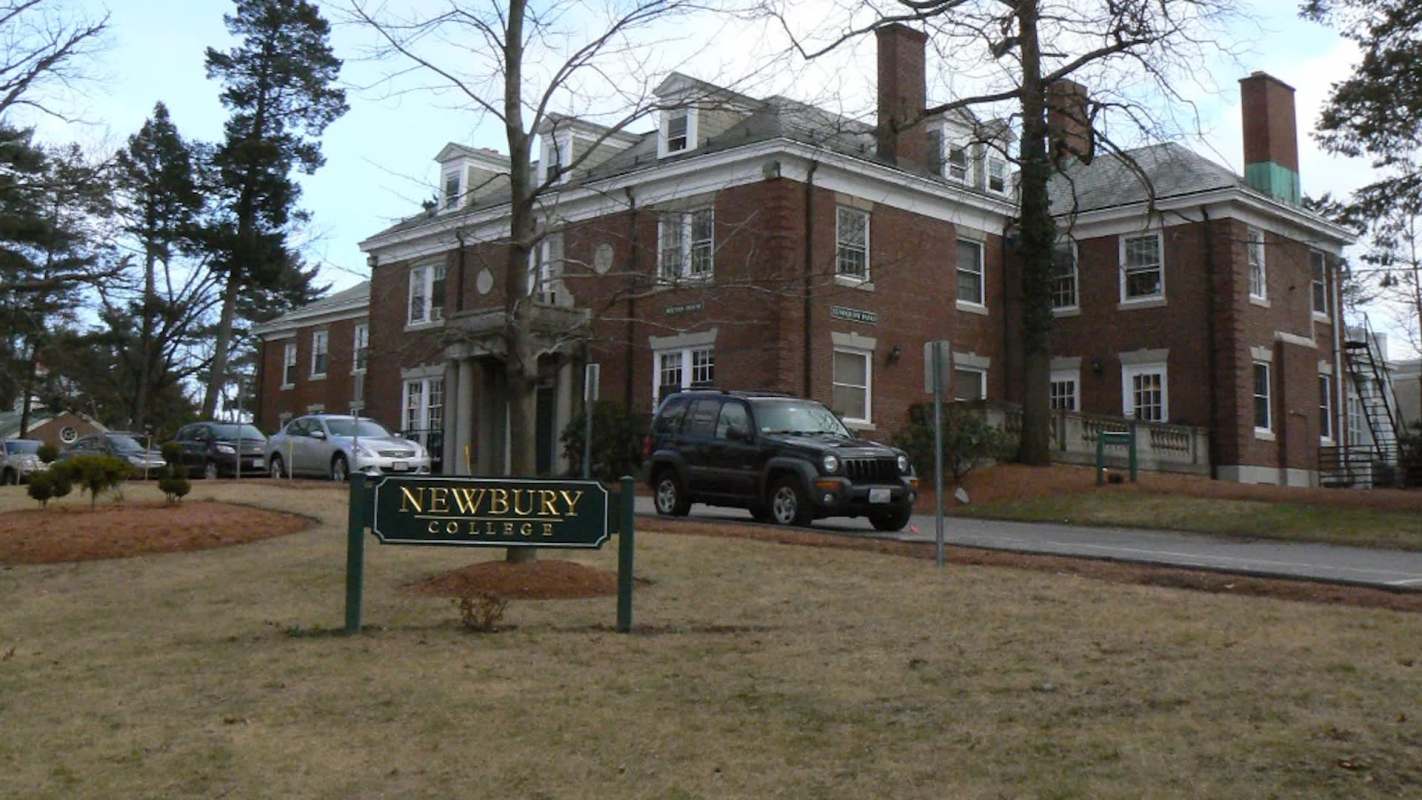
Where does the money collected for a closed college go? That question remains unanswered for Boston Public Schools registration specialist Cesarina Barros, who was sued for tuition and interest years after Massachusetts' Newbury College shut down.
Here's what to know
WGBH reported that Barros left Newbury College in 2009 because she was unable to afford tuition. At the time, she owed $10,000 and kept making payments.
In 2019, Newbury College shuttered operations, and it ceased to operate as a nonprofit in 2022. Barros believed she was in the clear.
Then, in summer 2025, the college sued her for $28,000 in back tuition and interest. Documents filed in Boston Municipal Court show that Barros and 20 other former students have been threatened with wage garnishment, according to the radio station.
When Barros asked Judge Steven Kim in court where the money would go, the judge did not have that information. Neither did the lawyer who represented Newbury.
The judge postponed the case until January.
TCD Picks » Quince Spotlight
💡These best-sellers from Quince deliver affordable, sustainable luxury for all




More background
In 2022, Massachusetts' highest court and the state attorney general's office designated Wheaton College to legally inherit Newbury's assets and funds.
Wheaton spokesperson Suzi Robinson told WGBH in an email that the college did not acquire student accounts or outstanding balances.
Nevertheless, collection filings list addresses for both Wheaton and Newbury. According to Wheaton, an inherited scholarship fund totals $4 million and has provided support for seven students.
For Barros, a mother of two who hopes to finish her early childhood education degree, the lawsuit has caused sleepless nights and headaches.
What can be done?
Attorney Adam Minsky, who represents student loan borrowers and their families, questioned requiring students to pay schools that closed before they completed their programs.
"It's not something that I tend to see in my practice, and it's not a situation that has come up, and I've been doing this work for 15 years," he told WGBH.
Anna Anderson, a senior attorney at the National Consumer Law Center, told WGBH that such situations are becoming "a bigger problem." She advised people facing collection lawsuits to consult a lawyer immediately to formulate a defense instead of ignoring the case because debt buyers can seek profits through fees, wage garnishments, and liens.
Whether tuition owed directly to a closed college must be repaid depends on how the school's affairs are wound down and where its debts are transferred, she continued. Separate discharge provisions apply to federal and private student loans.
Where can I learn more?
These stories examine parent loans, high interest rates, potential tax bills, rising payments, and balances that persist despite years of repayment.
• A Rhode Island bus driver owed $156,000 in Parent PLUS loans despite never attending college.
• Sallie Mae and SoFi charge interest rates that reached 18% on student loans.
• Student-loan forgiveness could trigger surprise tax bills ranging from $6,000 to $12,000.
• A Georgia mother said President Donald Trump's overhaul raised her monthly student-loan bill from $404 to $1,014.
• In England, some graduates owe more than they borrowed after 10 years of student-loan repayments.

Get TCD's free newsletters for easy tips, smart advice, and a chance to earn $5,000 toward home upgrades. To see more stories like this one, change your Google preferences here.







