


With the cost of home heating oil up 70% compared to last year, Massachusetts households that rely on heating oil are bracing for a costly heating season.
Projected expenses for a household are nearly $2,627 from mid-November through mid-March.
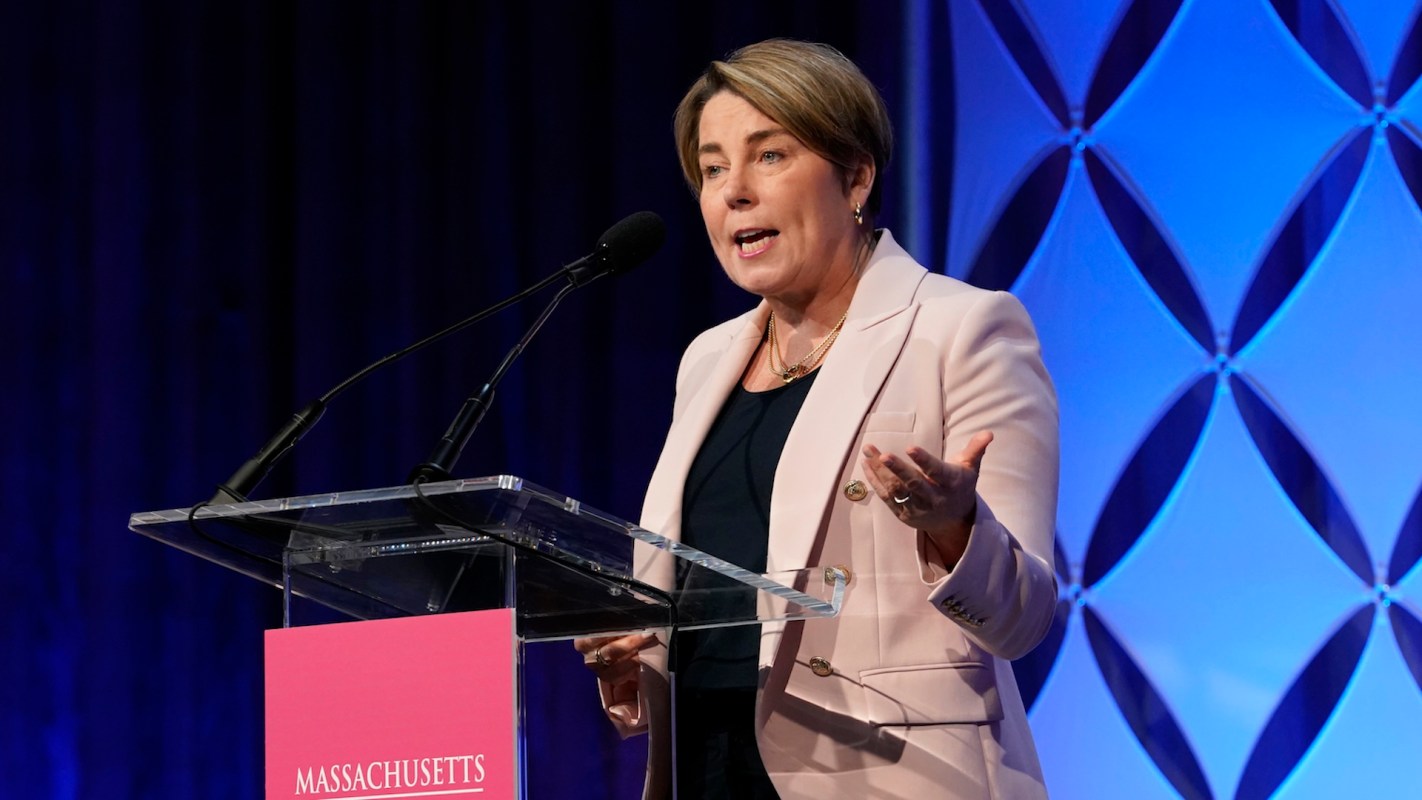
In response, Gov. Maura Healey declared a state of energy emergency and unveiled a package intended to bring down both heating and electric bills.
Here's what to know
As WCVB reported, Healey's executive order expands heating assistance, removes some charges from electric bills, and activates state protections against petroleum price gouging.
The plan would lower costs for roughly 85% of ratepayers.
One of the biggest parts of the package is a new one-time emergency home heating oil benefit that would extend help to roughly 50,000 middle-class households not covered by current aid programs.
TCD Picks » Quince Spotlight
💡These best-sellers from Quince deliver affordable, sustainable luxury for all




A family of four with an income above $103,049 and no more than $171,749 could receive up to $680.
The administration is also adding another $15 million for Home Energy Assistance Program benefits for about 156,000 low-income households. Under the plan, oil-heated homes would get 20% more assistance, while households that heat through utilities would see a 15% increase.
The announcement comes as heating oil prices remain sharply elevated. Massachusetts' average home heating oil price was $6.08 per gallon as of Sept. 28, up 73% from last year's $3.52.
More background
The cost increase is significant as heating oil still plays a major role in the state's housing stock. Roughly 1 in 5 Massachusetts households still use heating oil. It is more common in older homes and rural communities where other options may be harder to access.
While regional projections show heating oil users across the Northeast spending roughly $2,627 over the core heating period from mid-November to mid-March, winter gas rates are not final yet.
Utilities in Massachusetts have submitted proposals for the season that starts Nov. 1, and the Massachusetts Department of Public Utilities still must sign off on them.
National Grid has said its seasonal winter pricing would leave bills about unchanged for legacy Boston Gas customers, though that projection excludes a separate base-rate increase the company is also seeking. Eversource, meanwhile, said approval of its proposals would mean about a 7% overall increase for customers in the NSTAR Gas division and about a 5% overall decrease for those in the former Columbia Gas system.
What's being done?
Healey's administration also plans to use $80 million in state funding to remove the Solar Massachusetts Renewable Target (SMART) program charge from residential and commercial electric bills for three winter months in 2027. From January through March, the state would cover those costs instead of passing them on to residential customers.
The administration is also pursuing emergency regulatory action to halve the Alternative Energy Portfolio Standard, which is expected to provide another $20 million in relief for ratepayers.
Another new measure is the Emergency Winter Warmth Fund, launched in partnership with Citizens Energy Corporation. Citizens Energy Corporation is contributing an initial $100,000, and the fund will support both existing low-income heating aid and the new middle-class heating oil benefit through local administering agencies.
The Home Energy Assistance Program runs from Nov. 1 through April 30, 2027, and renters whose heat is included in their rent may still qualify.
Households do not need to be on public assistance or have unpaid heating bills to receive aid.
Where can I learn more?
For more information on efforts to cut heating and energy costs beyond this winter's relief measures, these stories look at what states around the region are trying. They cover Massachusetts heat pump decisions, state energy legislation, and other ideas for lowering home heating bills.
• Massachusetts homeowners faced a $25,000 heat pump upgrade as aging oil systems looked costlier.
• On Beacon Hill, senators advanced a bill promising $14 billion in Massachusetts energy savings.
• Homeowners could see about $350 shaved off annual heating costs under a new approach.

Get TCD's free newsletters for easy tips, smart advice, and a chance to earn $5,000 toward home upgrades. To see more stories like this one, change your Google preferences here.






