


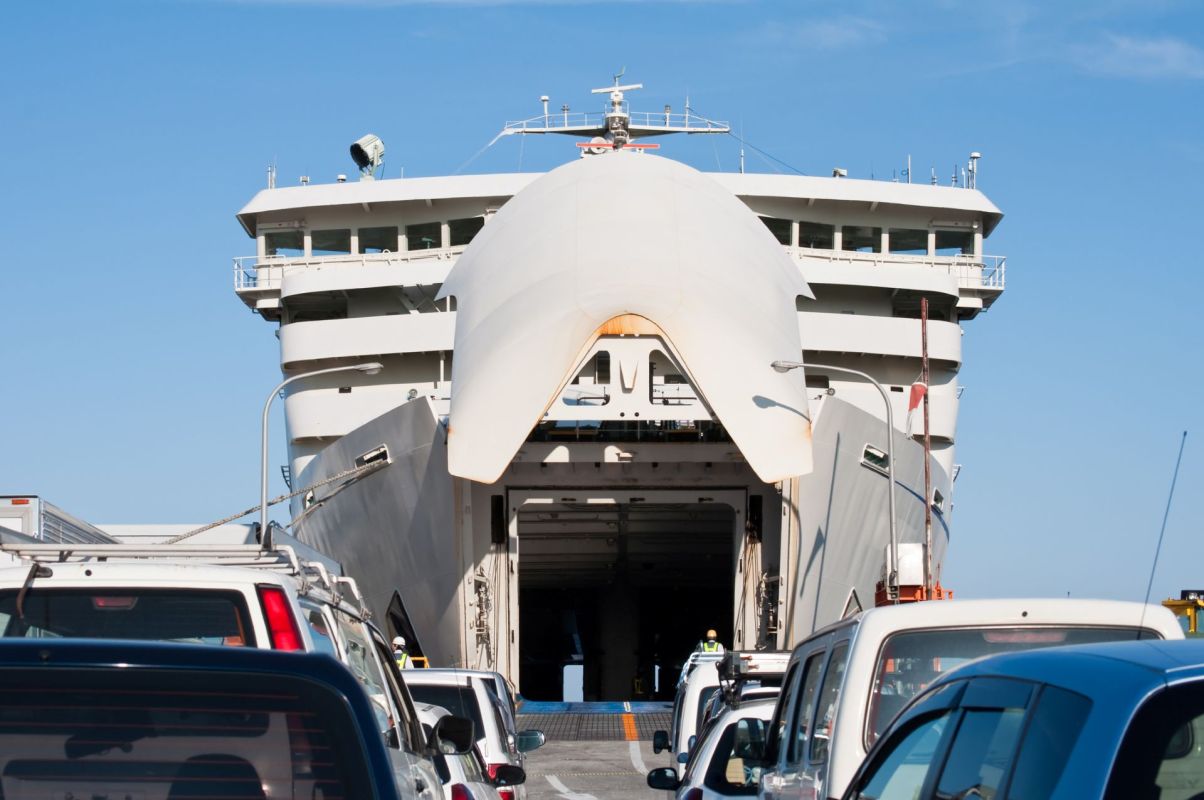
Taking a car aboard a Steamship Authority ferry will cost up to $18 more each way during peak summer starting in January 2027, as the Massachusetts ferry operator raises fares to cover higher fuel costs and employee pay.
Rising fuel and wage expenses prompted the Massachusetts ferry operator to approve the fare hikes, its finance officials said.
Here's what to know
The authority's approved 2027 budget totals $174 million, according to the Vineyard Gazette. It includes fare increases for nearly every service category but leaves medical travel fares unchanged.
Island residents will pay an additional $8 to $10.50 for round-trip excursion vehicle tickets, with the increase varying by season. Passenger tickets will cost 50 cents more.
Annual parking passes will cost $200 more at the Woods Hole lot and $50 more at Palmer Avenue. Daily parking in Woods Hole and Hyannis will increase by $1.
A surcharge on Martha's Vineyard freight bookings will be added to the 7.5% freight rate increase.
TCD Picks » Quince Spotlight
💡These best-sellers from Quince deliver affordable, sustainable luxury for all




Mark Rozum, the authority's treasurer and comptroller, said its projected bottom line without the fare changes was just $573,000. The authority expects employee wages to cost an additional $4.75 million and ferry fuel an additional $5 million.
More background
After a successful pilot program in 2025, the board approved more funding for the M/V Island Home's use of RD-99, also known as hydrogenated vegetable oil. The Vineyard freight surcharge will help pay for that cleaner-burning fuel.
Using the fuel cuts the sooty exhaust from the ferry's two 12-cylinder diesel engines as they power up, which is better for both the environment and the lungs of those in the area.
Rozum said the fuel's per-gallon premium over regular diesel rose from about 82 cents to $1.73. The engines also run about 10% less efficiently on it, he said.
The Island Home does not serve Nantucket, so the surcharge applies only to the Vineyard route. The board selected the freight-only charge to cover the projected $880,000 difference, with Rozum estimating the cost at $14 per truck.
What's being done?
The authority's fuel-price hedges — arrangements that protect against price spikes — helped it avoid fuel surcharges during 2026, according to Rozum.
Volatile fuel markets are making that protection more expensive for 2027. Rozum attributed the fluctuations primarily to shipping logistics.
Board members also considered shortening the Oak Bluffs terminal's season. According to Rozum, over three years, rough weather diverted 29% of its scheduled trips to Vineyard Haven.
Closing earlier could save about $22,000 a week in payroll. Still, he said post-Labor Day traffic through Oak Bluffs averages 100,000 passengers, raising concerns about the potential impact on local businesses and town revenue.
Reducing winter freight service could lower weekly crew expenses by about $13,000, though it could also change the authority's licensed crew complement, Rozum said. The board adopted the budget but deferred decisions on both service-cutting proposals.
For Woods Hole resident Mary Musacchia, continuing the cleaner-fuel program offers a benefit close to home.
"For those of us in Woods Hole, it will make a significant change to the quality of the environment there," she said, thanking the board for its support.

Get TCD's free newsletters for easy tips, smart advice, and a chance to earn $5,000 toward home upgrades. To see more stories like this one, change your Google preferences here.






