


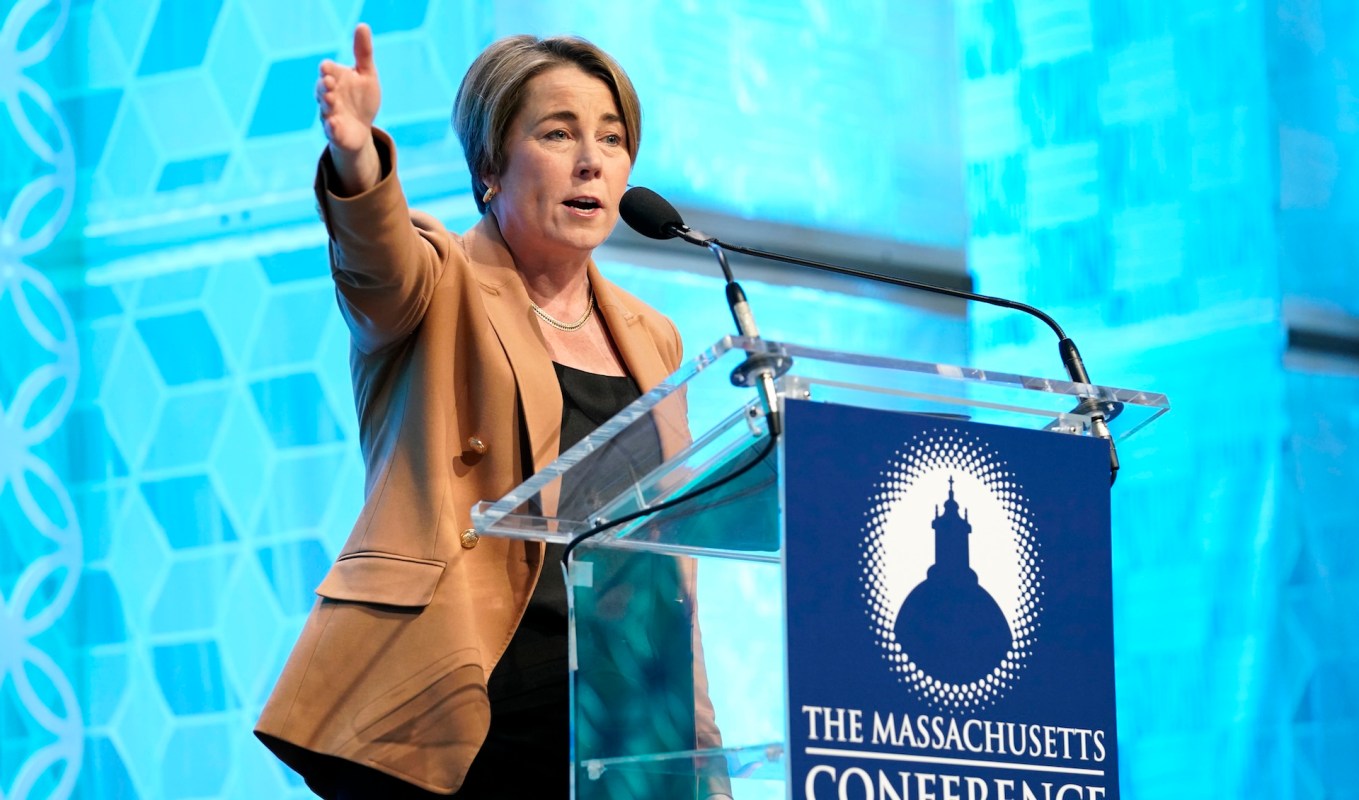
Massachusetts Gov. Maura Healey is stepping up pressure on both lawmakers and utility companies as high energy bills continue to strain households and businesses across the state.
In a renewed push for her energy affordability legislation, Healey said ratepayers should not have to absorb avoidable costs while utility profits and shareholder payouts keep increasing.
What's happening?
According to the Fall River Reporter, Healey wrote to the lawmakers on the conference committee handling the final energy bill, pressing them to act quickly and keep the main provisions intended to reduce costs.
She said the legislation would lower energy bills by changing utility practices, taking some charges off customer bills, and accelerating the development of more local energy sources.
Healey's office said Massachusetts gas and electric utilities kept seeking larger profits and additional rate hikes even after she introduced the bill in May 2025.
Over the past year, Healey's administration said, National Grid, Eversource, Berkshire Gas, and Liberty Gas all pursued rate increases — in some cases up to 55%. Her office argued that infrastructure spending is helping push bills higher while also boosting utility profits.
TCD Picks » Quince Spotlight
💡These best-sellers from Quince deliver affordable, sustainable luxury for all




Healey also said utilities should stop resisting customer refunds. Her office said that earlier this year, the Federal Energy Regulatory Commission ordered New England transmission owners to return roughly $1.5 billion in profits collected over a decade and reduced the allowed return on equity going forward.
"It is absolutely outrageous that, at a time when the people of Massachusetts are struggling to pay their energy bills, utility spending, profits and shareholder payouts are skyrocketing," Healey said.
Why does it matter?
The outcome could directly affect the monthly cost of electricity and heating at a time when many residents are already under financial pressure.
Healey tied the issue not only to utility spending but also to broader global forces affecting energy prices. She argued that customers should not be forced to absorb costs tied to international instability while also facing rate hikes and added utility profit mechanisms at home.
In Massachusetts, winter heating and electricity bills can take up a substantial share of household budgets. If large rate increases are approved, consumers could continue to feel the effects for years through higher fixed costs built into their utility bills.
Critics argue that when utilities are rewarded for spending more, they have less incentive to keep projects efficient, potentially leaving ratepayers on the hook for higher infrastructure and transmission costs over time.
What's being done?
Healey said her legislation would give Massachusetts more tools to bring lower-cost energy online, remove unnecessary customer charges, and increase oversight of utility spending.
Among the provisions are changes to how energy is purchased, efforts to remove certain fees and profit adders, and authority for the Department of Public Utilities to begin audits.
As conference committee negotiations continue, Healey urged lawmakers to preserve measures her administration says would limit unnecessary utility spending and speed the addition of more affordable and reliable energy sources across the state.
The proposal also includes protections related to data centers, which can place significant new demands on the power grid. Healey said the final bill should protect ratepayers, communities, and the environment from added costs and other harms linked to that growth.
"Our energy affordability legislation meets the moment we are in," said Energy and Environmental Affairs Secretary Rebecca Tepper.

Get TCD's free newsletters for easy tips, smart advice, and a chance to earn $5,000 toward home upgrades. To see more stories like this one, change your Google preferences here.






