


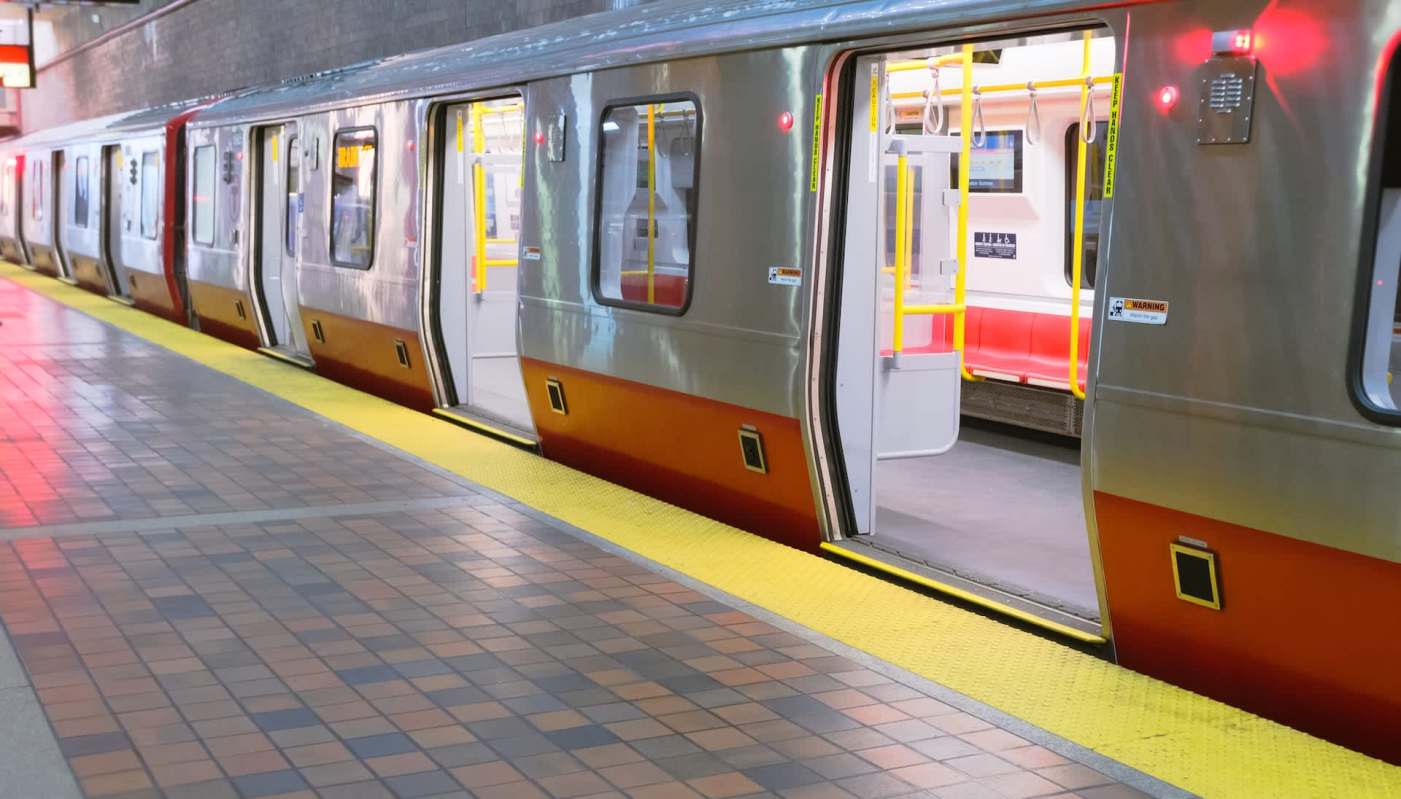
Funding for buses and subways is a concern as Massachusetts prepares to award a commuter rail operating contract that could exceed $10 billion.
Lawmakers will have little influence over the choice of operator but will face pressure to help pay for the deal, the CommonWealth Beacon reported.
Here's what to know
The Massachusetts Bay Transportation Authority's board could approve the next operating contract at its December meeting, ahead of a July 1, 2027 start date.
The agency plans to present its recommended operator at that meeting.
The three bids pit current operator Keolis and its British partner, Amey Ltd., against Mass Regional Rail and Transdev North America.
Mass Regional Rail includes the network's previous operator. The CommonWealth Beacon also stated that Transdev is a part of the multinational company overseeing a controversial bus contract with Boston Public Schools.
TCD Picks » Quince Spotlight
💡These best-sellers from Quince deliver affordable, sustainable luxury for all




The next contract could exceed $10 billion, estimated Brian Kane, who leads the watchdog MBTA Advisory Board. Keolis won the current agreement in 2014, and its value has since reached nearly $6 billion — more than $1 billion above initial estimates.
The network connects housing and job centers beyond Boston through 12 lines spanning 700 miles of track, the CommonWealth Beacon noted. Average weekday ridership exceeds 115,000.
More background
The MBTA originally expected Keolis' service to cost about $355 million per year.
By fiscal year 2026, commuter rail spending reached $621 million, according to an agency budget update cited by the CommonWealth Beacon.
The system carries about 12% of MBTA riders but receives approximately one-fifth of the agency's operating funding.
Stephanie Pollack, a former Massachusetts transportation secretary and senior fellow with MIT's Mobility Initiative, warned that the funds could be better distributed elsewhere. That money could pay for more bus drivers, additional service, or the Better Bus Network.
Beyond the contract itself, union-negotiated raises and high diesel prices add to those fiscal pressures. All existing commuter rail trains run on diesel.
What's being done?
State officials have increased MBTA funding, and Gov. Maura Healey's administration has criticized past underinvestment following slow zones and federal safety investigations.
Lawmakers have not guaranteed the same level of aid from year to year.
The new contract also includes a provision allowing the winning operator to revise its pricing a year into the agreement if unexpected circumstances arise, per the CommonWealth Beacon.
As it assesses the bids, the MBTA could weigh service improvements alongside plans to electrify and modernize commuter rail. It's possible that more people supporting public transportation could make that energy transition easier.
Kane noted that the agency's experience with Keolis' earlier low bid has drawn greater attention to realistic pricing. That could mean selecting a more expensive proposal if officials determine it offers stronger service benefits.
For Kate Dineen, president of the business-backed group A Better City, the stakes extend past the contract's price and into the region's transportation needs.
"These are not investments that we can afford not to make. This is likely to be a very sizable contract, but think about what we're getting for that contract," Dineen cautioned.
"Think about the benefits that the commuter rail of today and the commuter rail of five to 10 years from now are going to deliver for our region."

Get TCD's free newsletters for easy tips, smart advice, and a chance to earn $5,000 toward home upgrades. To see more stories like this one, change your Google preferences here.






