


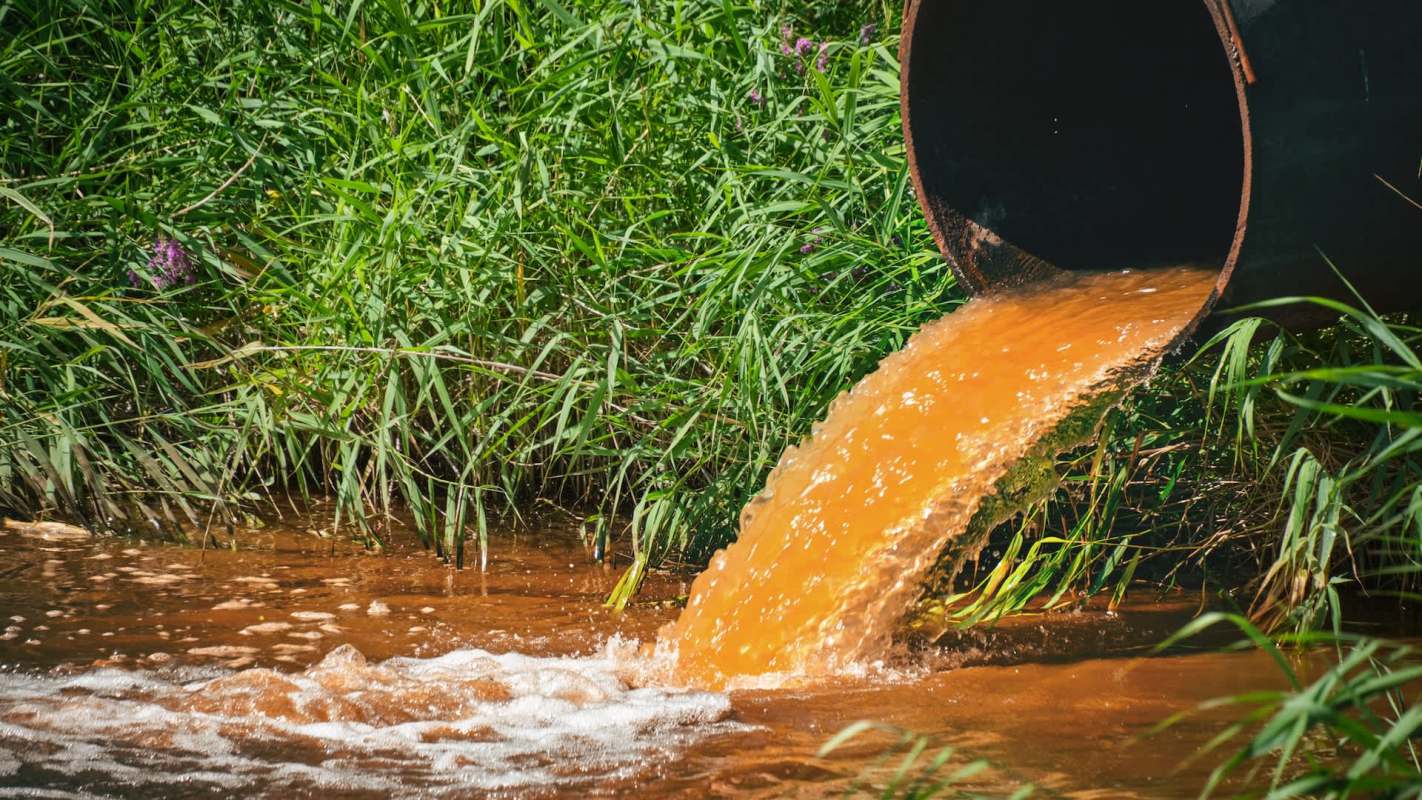
A major sewage spill into the Potomac River is looking less like a one-off infrastructure failure and more like a warning sign of deeper neglect.
A Maryland utility says more sections of the same pipeline are in similar or worse condition than the one that collapsed, according to The Washington Sun, and one vulnerable stretch lies near drinking water used by about 1 million residents.
Here's what to know
After 243 million gallons of untreated sewage poured into the Potomac when a pipe failed in January, the Washington Suburban Sanitary Commission, known as WSSC Water, moved to enter the Justice Department's case against DC Water. A judge approved that request.
The dispute centers on the Potomac Interceptor, a 54-mile sewer line dating to the 1960s that carries about 60 million gallons of sewage a day. In its filing, WSSC Water said other stretches are in comparable or worse condition than the section that gave way.
According to WSSC Water, one of those compromised areas is close to a Maryland drinking water source. The utility also said another rupture could hinder wastewater treatment and put that water source at risk.
DC Water says it began emergency repairs in June on the section nearest WSSC Water's supply and expects to finish the work. Even so, WSSC Water argues that the larger threat remains unresolved.
TCD Picks » Quince Spotlight
💡These best-sellers from Quince deliver affordable, sustainable luxury for all




More background
The case describes the January collapse as the product of long-term deterioration rather than a sudden failure. It says DC Water had known for at least seven years that the pipe was degrading before it broke.
After the spill, E. coli levels rose to unsafe readings, and fish harvesting was shut down for nearly two months.
WSSC Water also said DC Water estimated the repair cost at $59.3 million, then assigned 30.9% of that bill to WSSC Water while taking none of the share itself.
What's being done?
The Justice Department's federal suit is seeking financial penalties, alleging that DC Water failed to properly operate and maintain the sewer system connected to the leak.
WSSC Water wants more than fines. In its proposed complaint, it asked the court to require repairs on all parts of the pipeline that carry the same kind of risk, not only the section already undergoing emergency work.
More specifically, WSSC Water asked a judge to order repairs to every pipeline segment "in condition equal to or worse than the segment that collapsed."
Where can I learn more?
When water infrastructure is neglected or badly planned, the fallout rarely stays limited to one pipe or one community. Breakdowns in sewer systems and other water projects have raised familiar questions about contamination, long-term safety, and who ends up living with the consequences.
• In Sydney, a sewerage plant was blamed for a one-in-a-generation problem as microplastics spread offshore.
• In Brighton, an aquifer project tested the city's solution to toxic runoff with unexpected results.
• In Utah, proposed data centers deepened concerns that they would suck water away from drought-hit communities.

Get TCD's free newsletters for easy tips, smart advice, and a chance to earn $5,000 toward home upgrades. To see more stories like this one, change your Google preferences here.






