


Maryland's latest draft transportation budget would put billions toward safer roads, bridge repairs, and construction work statewide. In Southern Maryland, the proposal offers a mixed picture: several projects would advance, while some of the region's biggest congestion problems are still being studied or remain without new construction funding.
Here's what to know
Released on Sept. 1, the Maryland Department of Transportation's Draft Consolidated Transportation Program outlines a six-year, $21.9 billion capital plan for fiscal years 2027 through 2032, with priorities that include safety, maintenance, modernization, and economic growth, according to The BayNet.
The draft also shows that Southern Maryland has a mix of active projects and major upgrades that remain unfunded.
Construction on a $32.3 million MD 5 project in Great Mills is expected to start in fiscal year 2027. The St. Mary's County work covers MD 5 from MD 471 to MD 246 and includes replacing the bridge over the St. Mary's River. MDOT says the corridor carries about 21,600 vehicles a day, projected to reach 28,100 by 2046.
La Plata is set to receive about $16.3 million in safety and accessibility improvements on MD 6, also known as Charles Street. The proposal would add mountable roundabouts intended to slow traffic while still allowing access for heavy vehicles and emergency vehicles.
Calvert County is slated to get three projects on MD 231, with about $34.7 million scheduled between fiscal years 2027 and 2029.
TCD Picks » Quince Spotlight
💡These best-sellers from Quince deliver affordable, sustainable luxury for all




More background
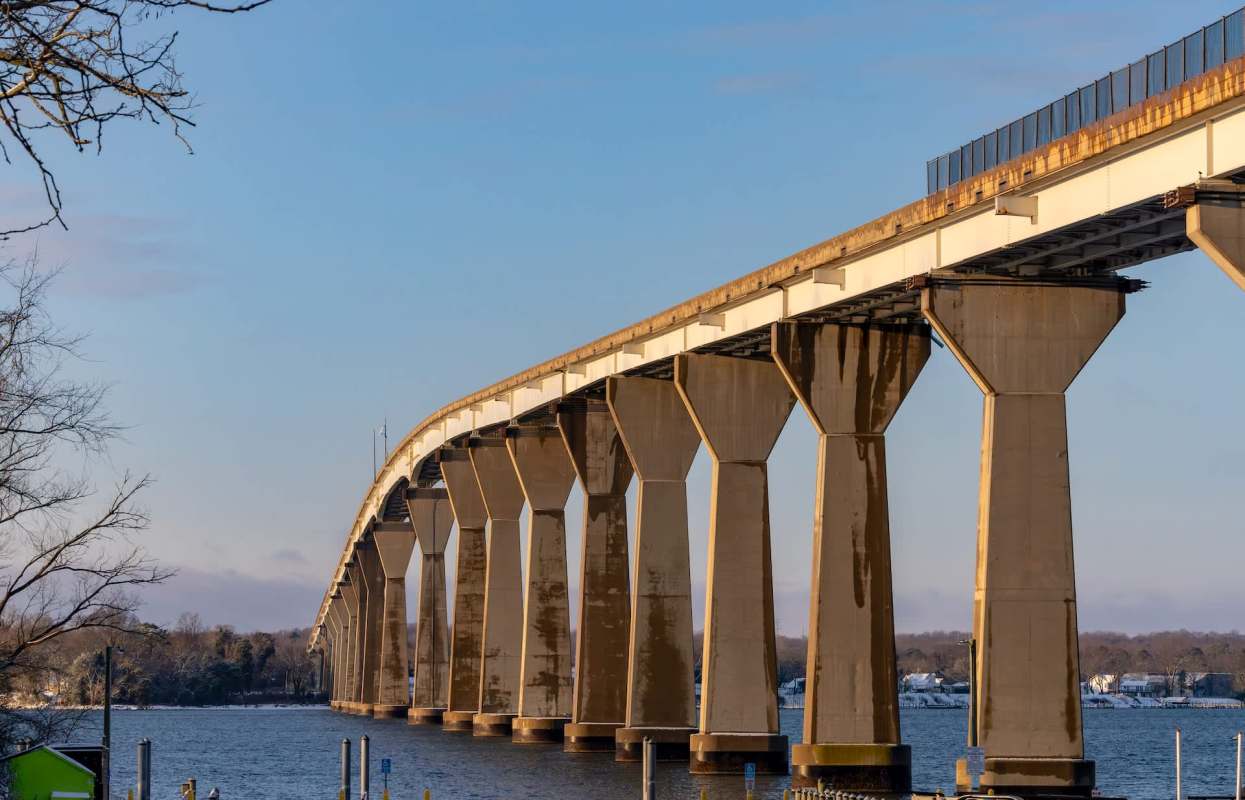
One of the highest-profile proposals that has not reached construction is the Governor Thomas Johnson Memorial Bridge corridor. The BayNet reported that MDOT is still studying possible changes to MD 4 from MD 2 in Calvert County to MD 235 in St. Mary's County. The long-term concept calls for a divided four-lane highway with wide shoulders, along with a shared-use path and sidewalk space where appropriate.
MDOT says that stretch of MD 4 handles about 30,100 vehicles a day, with traffic expected to climb to 39,800 by 2046. Even with those projected volumes, the draft provides engineering money only and does not fund construction.
Two other closely watched projects also remain without new funding through fiscal year 2032. The MD 2/4 widening plan in Prince Frederick is still on hold, and two major US 301 congestion projects in Waldorf are in the same position. MDOT estimates traffic there at about 101,000 vehicles a day, rising to 132,100 by 2046.
What's being done?
Elsewhere in St. Mary's County, the plan includes drainage work on MD 249, pedestrian safety upgrades on MD 235, sidewalk improvements on MD 245, and continued work on Three Notch Trail Phase VII.
Charles County's list extends beyond larger highway work to smaller quality-of-life projects. Those include resurfacing and safety improvements, a bicycle and pedestrian connection between Milton Somers Middle School and Laurel Springs Regional Park, and a Safe Routes to School project in the Mill Hill area, according to The BayNet.
Construction is underway to replace the MD 225 bridge over Mattawoman Creek, and the current bridge dates to 1951 and is rated in poor condition.
The transportation plan remains a draft. MDOT's public engagement process will continue with county-by-county meetings across Maryland and in Baltimore City during September and October before the final program goes to the General Assembly in January 2027.
Where can I learn more?
Maryland's draft plan fits into a bigger conversation about how states spend transportation money. Road repairs, congestion relief, safety upgrades, and newer mobility goals often compete with one another, and these articles show how those choices can also affect pollution, wildlife movement, and access to cleaner transportation.
• Oregon officials approved a $33 million plan for a wildlife overpass to cut highway collisions.
• California approved a $1.9 billion plan to expand EV charging and cleaner travel statewide.
• Delaware is funding major change at gas stations with $21.5 million for highway charging.
Seen alongside Maryland's proposal, these stories help frame what the draft budget does and does not fund. They also underscore how transportation planning now touches far more than pavement, from pollution and habitat to long-term access to cleaner travel.

Get TCD's free newsletters for easy tips, smart advice, and a chance to earn $5,000 toward home upgrades. To see more stories like this one, change your Google preferences here.






