


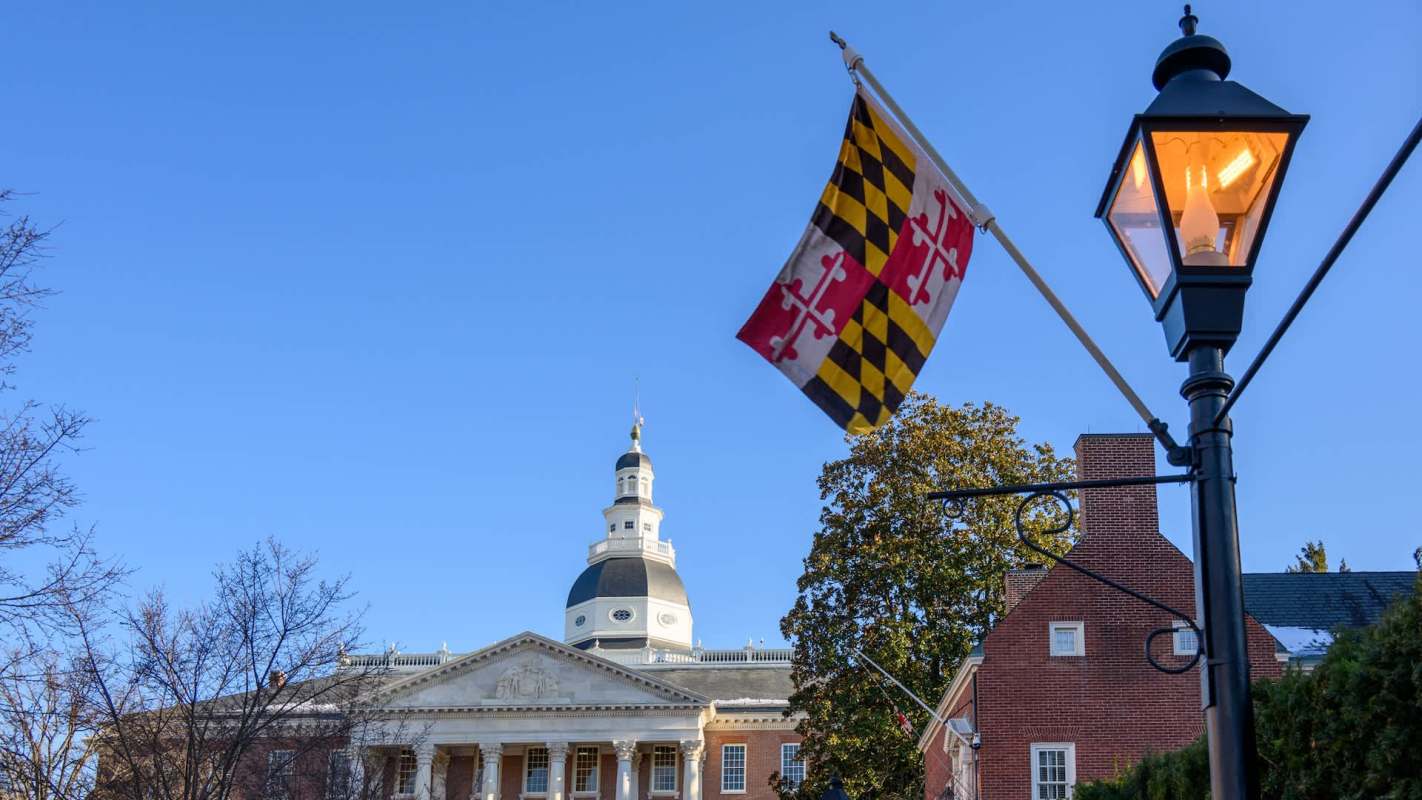
One U.S. state is showcasing its commitment to consumers by becoming the first in the nation to enact legislation that addresses a controversial strategy used by major food retailers and third-party delivery service providers.
The Maryland legislature has successfully passed the Protection From Predatory Pricing Act, which prohibits retailers from leveraging customers' personal information to influence the prices they charge, a practice known as "dynamic pricing."
Retailers have been known to increase prices during peak demand to boost profits.
The definition of "food retailers" in the bill targets larger establishments, specifically those exceeding 15,000 square feet that sell food meant for off-site consumption, leaving restaurants and smaller vendors unaffected.
Dynamic pricing can manifest in various ways across different platforms, such as offering discounted rates to first-time buyers or utilizing algorithms to determine optimal price points. These algorithms analyze user behavior to establish favorable pricing that encourages purchases.
However, the shift toward customized pricing often disadvantages individuals in need or those seeking essential items. While some platforms may provide discounts based on prior searches, there can be price increases in other areas.
TCD Picks » Quince Spotlight
💡These best-sellers from Quince deliver affordable, sustainable luxury for all




The PFPFA's scope is narrower than it appears; its two primary restrictions focus on preventing higher prices through dynamic pricing tactics or personal information while allowing for discounts based on individual data.
The law excludes various pricing strategies, such as promotional offers, loyalty program benefits, temporary discounts aimed at retaining existing customers, or price changes tied to objective factors such as shipping costs or geographic taxes.
While Maryland may be the first to pass such legislation, according to Gizmodo, at least a dozen other states are considering legislation to ban dynamic and surveillance pricing. With high grocery prices already putting pressure on families across the country, these bills could offer some relief for people in the checkout line.
The bill still needs to be signed by Gov. Wes Moore, which is just a formality at this point, considering he has been a big supporter from the beginning.
|
Which of these savings plans for rooftop solar panels would be most appealing for you?
Click your choice to see results and earn rewards to spend on home upgrades. |
 Save $1,000 this year 💸
 "This is not a fair market," Moore said, per Maryland Matters, when the bill was first introduced. "This is a stacked deck. This is about profit … that's extracted from people who are seeing their bills increase and who are struggling to afford basic goods."
Food retailers and third-party delivery platforms have until Oct. 1 to ensure compliance, with enforcement managed by the Division of Consumer Protection in the Maryland Attorney General's Office that includes a grace period for corrections.

Get TCD's free newsletters for easy tips, smart advice, and a chance to earn $5,000 toward home upgrades. To see more stories like this one, change your Google preferences here.






