


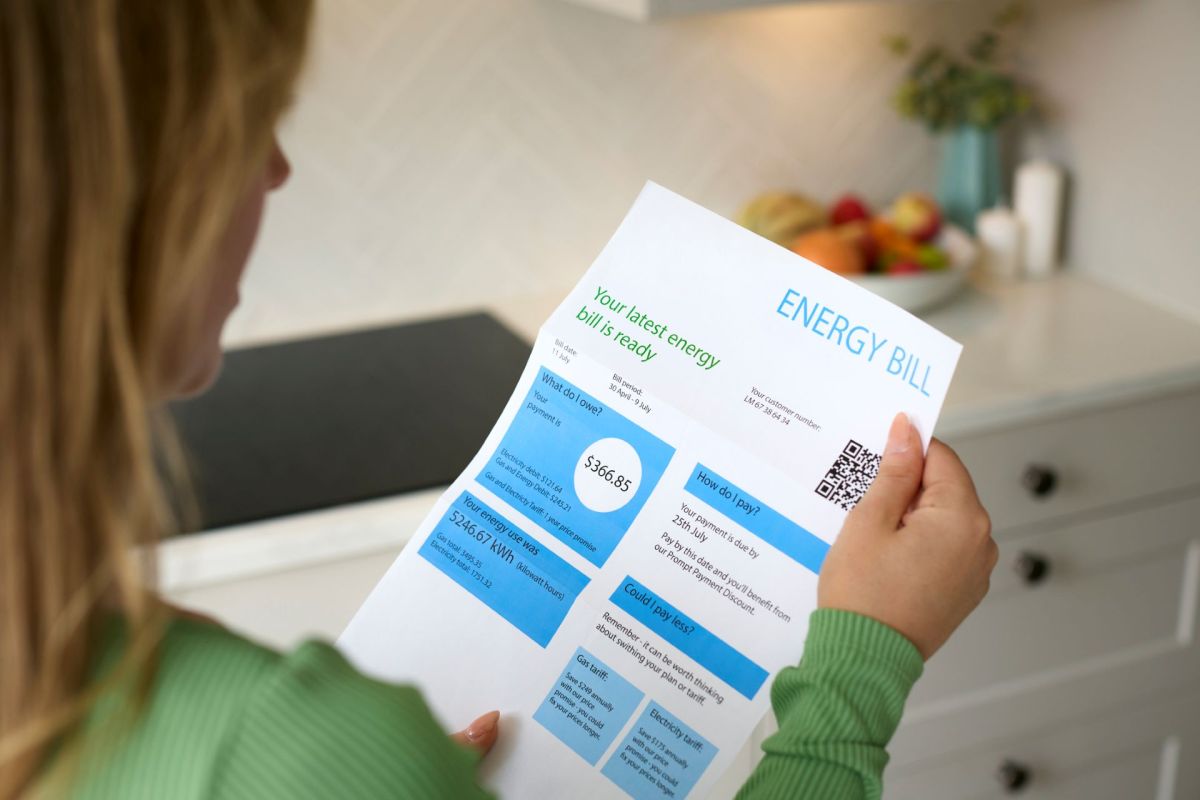
To soften the blow of higher power bills, Maryland is offering more than $65 million in grants and rebates for residents, businesses, and local governments.
Republican lawmakers, though, say the clean-energy aid may provide some savings without fixing the main factors keeping electricity prices elevated.
What happened?
The funding is mainly intended to help eligible Marylanders cut monthly utility costs, with low- to moderate-income households a particular focus, state officials said.
As part of that effort, Gov. Wes Moore's administration announced Wednesday that the Maryland Energy Administration will keep five existing programs in place covering home improvements, rooftop solar, EV chargers, and similar clean energy projects, The Baltimore Sun reported.
Rebates for home EV chargers are expected to reach more than 2,000 residents.
MEA also projects that the Maryland Solar Access program will assist about 1,500 households, saving them roughly $660 a year, while the Residential Energy Equity program is expected to serve around 2,000 households this fiscal year, about 1,800 through energy-efficiency upgrades and 200 through rooftop solar, with estimated yearly savings of about $942.
GOP critics renewed their objections this week, with Senate Minority Whip Justin Ready calling clean energy programs a "Band-Aid."
The announcement arrived about two months after Moore signed the Utility RELIEF Act, which Democrats say will lower residential electric bills by at least $150 annually.
Save $10,000 on solar panels without even sharing your phone number Want to go solar but not sure who to trust? EnergySage has your back with free and transparent quotes from fully vetted providers that can help you save as much as $10k on installation. To get started, just answer a few questions about your home — no phone number required. Within a day or two, EnergySage will email you the best local options for your needs, and their expert advisers can help you compare quotes and pick a winner. |

For homeowners looking for a more durable way to shrink utility costs, going solar is one of the best ways to save money on home energy. It's worth exploring EnergySage's free tools to get quick solar installation estimates and compare quotes.
Why does it matter?
Electricity price spikes can be especially hard to absorb for families already strained by higher housing, grocery, and transportation costs.
Programs that lower energy use or help households generate some of their own power can reduce monthly bills once projects are completed, though officials say the exact timeline will vary.
The programs are aimed at households with less flexibility to absorb rising utility bills.
More From EnergySage
💡Go deep on the latest news and trends shaping the residential solar landscape




Rooftop solar, efficiency improvements, and EV charging support can lower ongoing expenses while reducing pollution tied to fossil-fuel-powered electricity.
Critics argue that while rebates may help some households in the short term, they do not resolve supply and grid challenges that can keep prices elevated across the state.
What's being done?
This year's MEA updates were shaped by "lessons learned and stakeholder feedback," the agency said, and more programs are expected later this fall.
At the same time, the Utility RELIEF Act addresses broader system issues by requiring data centers to pay for grid upgrades tied to their energy use, speeding up new generation projects, and blocking utilities from charging customers for executive bonuses.
Free comparison tools can make a big difference here. With EnergySage's help, the average person can save up to $10,000 on solar purchases and installations.
Readers can also use EnergySage's solar map, which shows the average cost of a home solar panel system on a state-by-state level, along with details on solar panel incentives for each state. Together, those resources can help people get the best price for rooftop solar panels and access available incentives.
Adding battery storage to a solar setup is one of the best ways to protect your home during outages, save money on energy, and go off-grid. Battery systems can also help households keep critical devices running when the grid is down. If that option is of interest, explore EnergySage's free tools for information about home battery storage options, including competitive installation estimates.
Moore said, "When we invest in clean energy, we are not only cutting utility costs for the communities that need it the most, but protecting the environment in the process," while state Senate Minority Leader Steve Hershey argued, "That is not the same as lowering the cost of electricity."

Get TCD's free newsletters for easy tips, smart advice, and a chance to earn $5,000 toward home upgrades. To see more stories like this one, change your Google preferences here.






