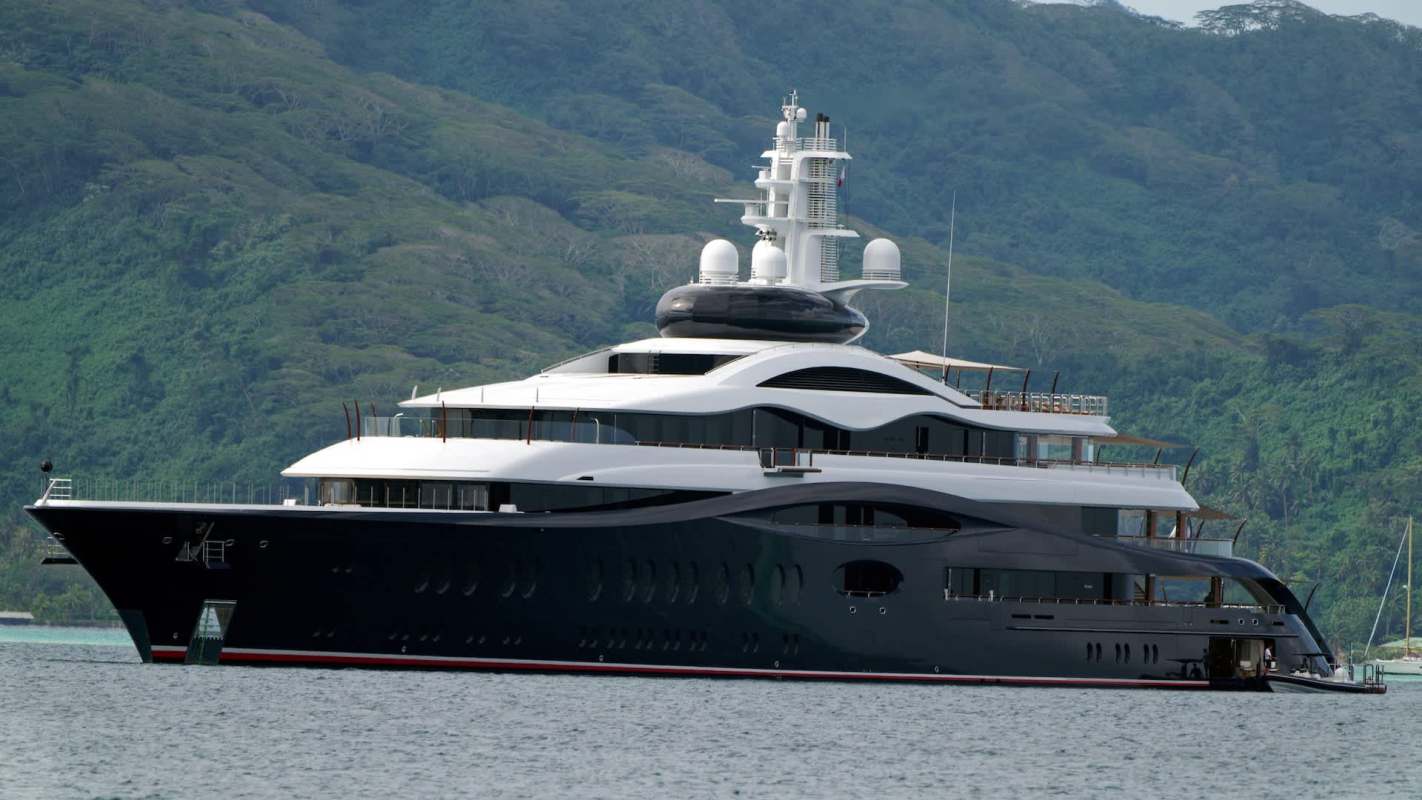
Meta founder Mark Zuckerberg's 387-foot superyacht racked up an eye-popping fuel bill before making an especially awkward appearance in Seattle.
On the same day Meta announced about 1,400 local layoffs, the vessel cruised through the Ballard Locks into Lake Union — a striking image of excess against a backdrop of job cuts and rising climate concerns.
What happened?
After Meta founder Mark Zuckerberg took delivery of the Feadship-built Launchpad in early 2024, the yacht went on to cover nearly 100,000 kilometers (about 62,000 miles), according to Luxury Launches, which cited AIS tracking data and reporting from Il Messaggero. Over that distance — more than twice around the planet — it is estimated to have burned about 5.3 million liters (around 1.4 million gallons) of diesel.
Estimates put the vessel's fuel spending at roughly €5.7 million, or about $6.5 million. That usage is also said to have produced around 14,300 tonnes (15,763 tons) of carbon dioxide, roughly equal to the annual carbon footprint of about 813 Americans or about 3,100 years of driving for a typical passenger car.
Launchpad is built on a huge scale: the 118-meter (387-foot) yacht has space for 26 guests in 13 cabins, employs a crew of about 49, and reportedly includes a swimming pool, a hot tub, a movie room, wellness and fitness areas, a beach club, a lift, and a helipad inside an enclosed hangar.
Why does it matter?
A small number of ultra-polluting assets can generate enormous emissions while everyday people are being asked to conserve energy, spend carefully, and shoulder the costs of a warming planet. Additionally, a company CEO flaunting their wealth in an area where they have just laid off workers is a bad look.
TCD Picks » Good Store Spotlight
Get 10% off your next purchase with code TCD10




That's not even to mention how jarring it all looks when considering Meta's public climate commitments. The company has said it wants to reach net-zero emissions across its value chain by 2030, yet its net emissions in 2024 were about 8.2 million tonnes (9.0 million tons ) of carbon dioxide equivalent. Meanwhile, Luxury Launches shared data from shareholder advocacy group As You Sow that said emissions from Meta's data center energy use have risen 223% since 2019.
Climate pollution contributes to hotter summers, more severe storms, worsening air quality, and higher costs for homes, insurance, and food. Displays of extreme fuel consumption can provoke anger in communities already dealing with those pressures.
The episode raised a familiar question about who is being asked to make sacrifices and who remains free to burn through staggering amounts of fuel with little consequence.
What can I do?
On the corporate side, shareholder groups and watchdogs are already tracking emissions more closely, including the footprint tied to luxury travel and energy-intensive artificial intelligence expansion.
At the individual level, the most realistic action is not to try to offset a billionaire's footprint alone. It is to support policies and businesses that reduce pollution at scale — such as cleaner public transit, stronger corporate disclosure rules, and more efficient buildings and vehicles — while also choosing lower-pollution options in your own life when you can.

Get TCD's free newsletters for easy tips, smart advice, and a chance to earn $5,000 toward home upgrades. To see more stories like this one, change your Google preferences here.