


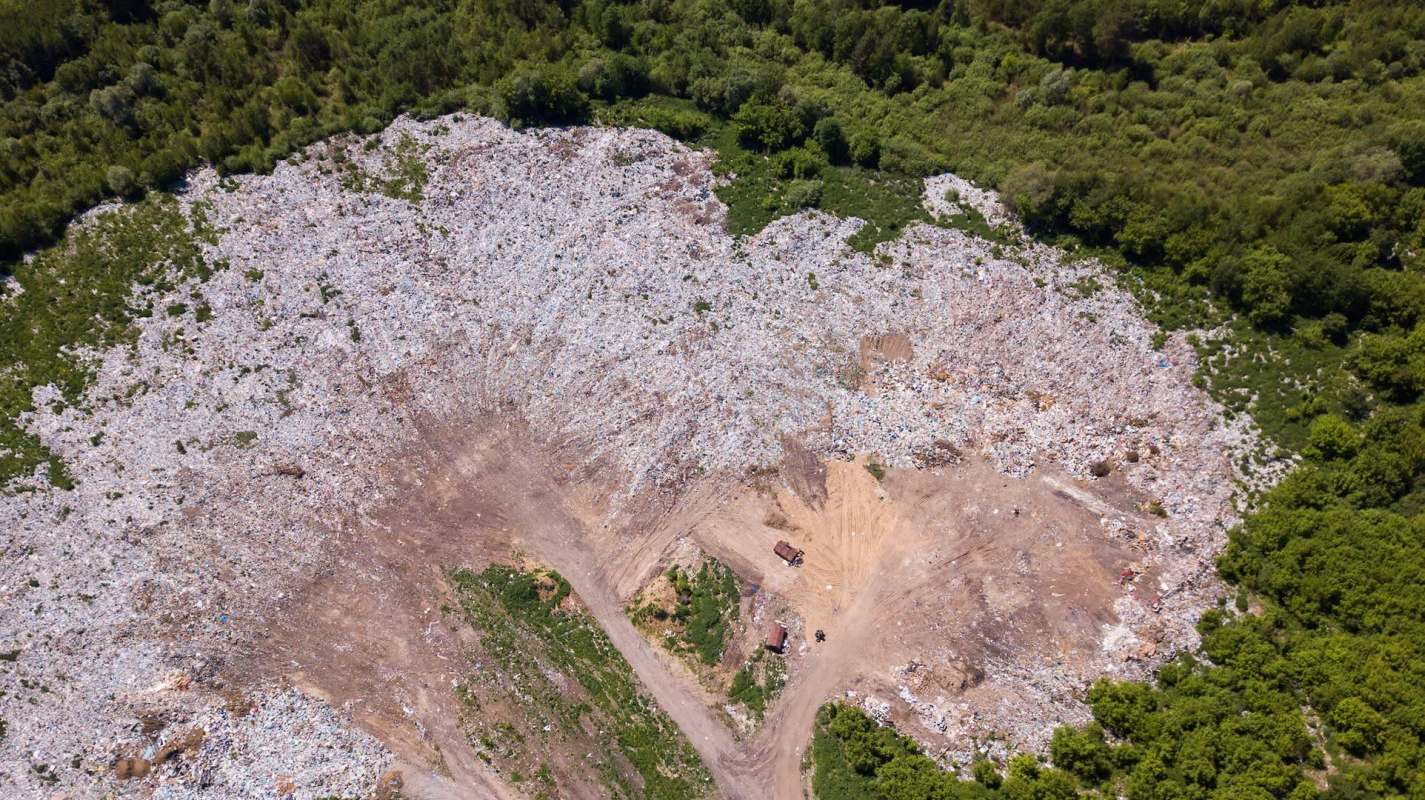
Mansfield, Ohio, is looking to turn two long-closed landfills into a source of clean energy.
A city council-approved deal could bring a 25-35 megawatt solar project to the north side, but it will move ahead only if local businesses sign on to buy the electricity.
What happened?
The council vote authorized a development agreement with CEP Renewables for a solar array that could span as much as 196 acres at the former city and county landfill sites near Cairns Road.
According to Richland Source, CEP would pay $2,000 per acre each year to lease the property, and the Richland County Solid Waste District would no longer be responsible for mowing and other maintenance.
The project's immediate challenge is lining up sizable nearby buyers for the power it would produce.
"Before we can start working on this project, we need a guarantee that someone's going to be able to take this electricity. From the moment we have a [power purchase agreement], we will need about 12 months," CEP senior development manager Kurt Prinzick said.
TCD Picks » Quince Spotlight
💡These best-sellers from Quince deliver affordable, sustainable luxury for all




Rather than feeding electricity into the broader PJM Interconnection system, officials said the plan is to keep the project focused on local use. They said that could streamline the process and keep the power close to where it is generated.
Why does it matter?
Projects such as this can give new life to land that otherwise has limited redevelopment potential.
Because landfill caps cannot be dug into, the panels would be placed on concrete ballast. That would let the city produce power there without disturbing the closed sites while also creating lease income and easing maintenance demands.
Locally generated solar power can help businesses secure more predictable energy costs.
Clean electricity also helps reduce the pollution associated with conventional power generation, offering public health benefits as well.
What are people saying?
Supporters called the proposal a workable example of locally focused clean energy development.
"It's kind of the micro-grid system that everybody's talking about. Generate power locally and use it locally. That's the best way to do this," Barrett Thomas of the Richland Area Chamber and Economic Development said, per Richland Source.
Prinzick said closed landfill properties make sense as places to build solar projects.
"In brownfields, we're always looking for our highest and best use. But when it comes to landfills, quite frankly there isn't a lot you can do with them," he said.
Officials also said the project could create a steady, predictable tax-related revenue stream if it is fully built out.
"It's money you can rely on and budget for the foreseeable future," Prinzick said.

Get TCD's free newsletters for easy tips, smart advice, and a chance to earn $5,000 toward home upgrades. To see more stories like this one, change your Google preferences here.






