


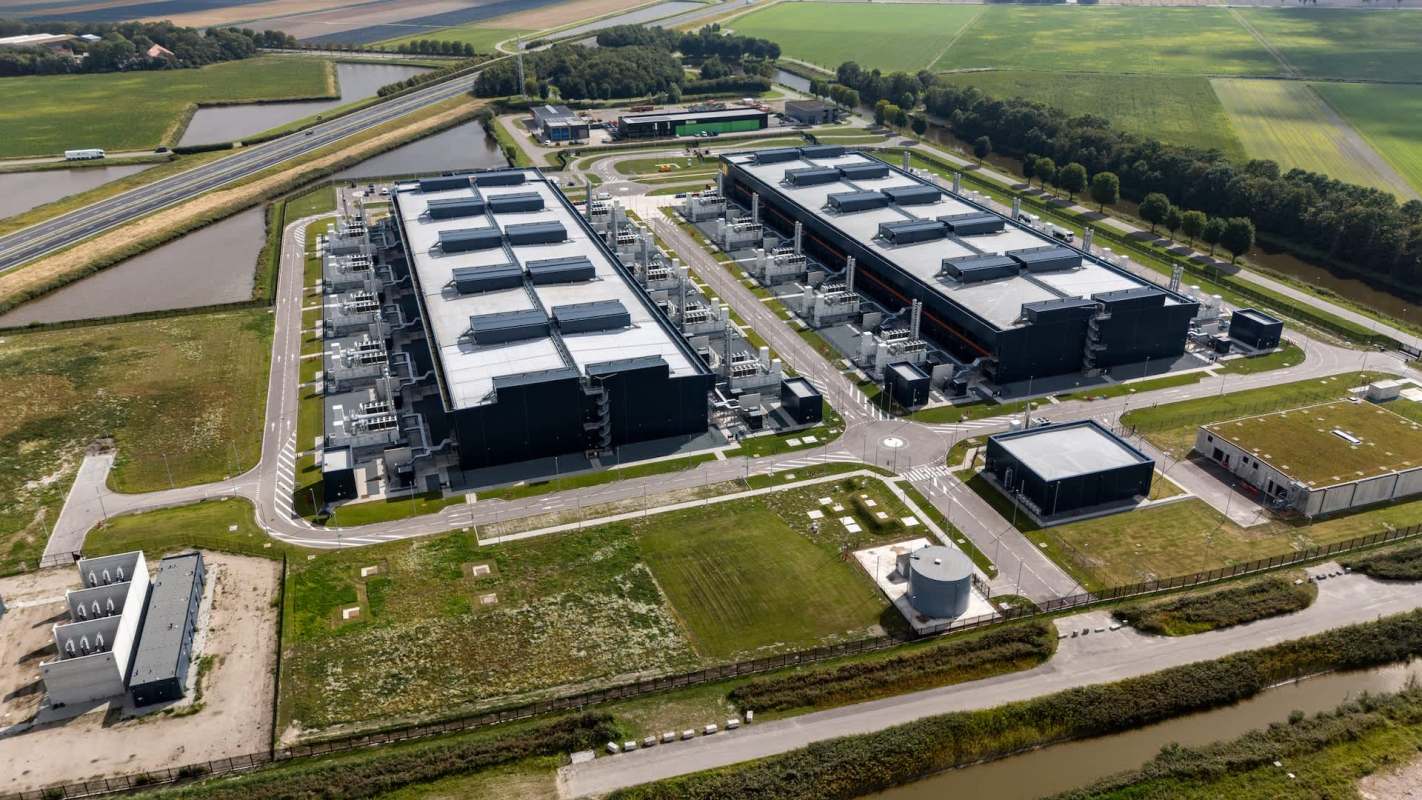
Maine nearly became the first state to hit pause on new data centers, a clear example of how these sites are causing friction among communities.
A study has offered one explanation for the growing conflict: the economic upside is real, but it appears to land much more heavily in richer metropolitan areas than in the rural communities often asked to host these huge projects.
What happened?
According to The Conversation, researchers examined counties after their first data center opened and found mixed outcomes that help to explain public resistance.
Over the longer term, employment rose about 3.5%, wages 5%, and business establishments 4.7%, while household income and building permits also increased.
In the first three years, the average lift was smaller: roughly 0.9% for employment, 1.1% for wages, and 1% for business establishments.
Those averages looked very different once location was taken into account. Metropolitan counties posted employment gains of about 4.1% and wage growth of roughly 5.5%, while less populous counties saw little meaningful spillover in jobs or pay.
TCD Picks » Quince Spotlight
💡These best-sellers from Quince deliver affordable, sustainable luxury for all




That gap helps explain why the issue has become so heated in places such as Maine, where lawmakers in spring 2026 passed a controversial bill intended to create the nation's first statewide pause on new data centers.
Gov. Janet Mills vetoed it after pointing to a $550 million proposal to convert the closed Androscoggin Mill in Jay into a data center. Even so, she said she backed the idea of a development pause in principle and signed separate legislation blocking state tax incentives for data centers.
Why does it matter?
Data center projects are typically sold to communities as engines of jobs, tax revenue, and renewal. But the study suggests those rewards depend less on the facility alone than on whether the surrounding economy already includes the skilled workers, contractors, suppliers, and business services needed to capture the spillover.
Another pressure point is electricity. In the areas where the researchers could isolate the effect, consumer power prices were about 5% higher after a data center began operating, though the authors said pricing is shaped by a complicated mix of state policies, utility structures, and grid rules.
The artificial intelligence boom is closely tied to data center growth. AI has the potential to help society in meaningful ways, but the servers powering AI also consume enormous amounts of electricity and water.
The technology's role is expanding quickly, along with questions about who benefits and who bears the burden.
What's being done?
State and local leaders are starting to respond with a more cautious approach. In Maine, ending tax breaks for the sector and planning a council to study the industry signal a broader push to slow approvals until communities have stronger evidence.
Researchers say policymakers need to look beyond the headline investment number and examine how subsidies are designed, how electricity charges are handled, what water and grid upgrades will be required, and whether any new tax revenue will actually improve public services for residents.

Get TCD's free newsletters for easy tips, smart advice, and a chance to earn $5,000 toward home upgrades. To see more stories like this one, change your Google preferences here.






