


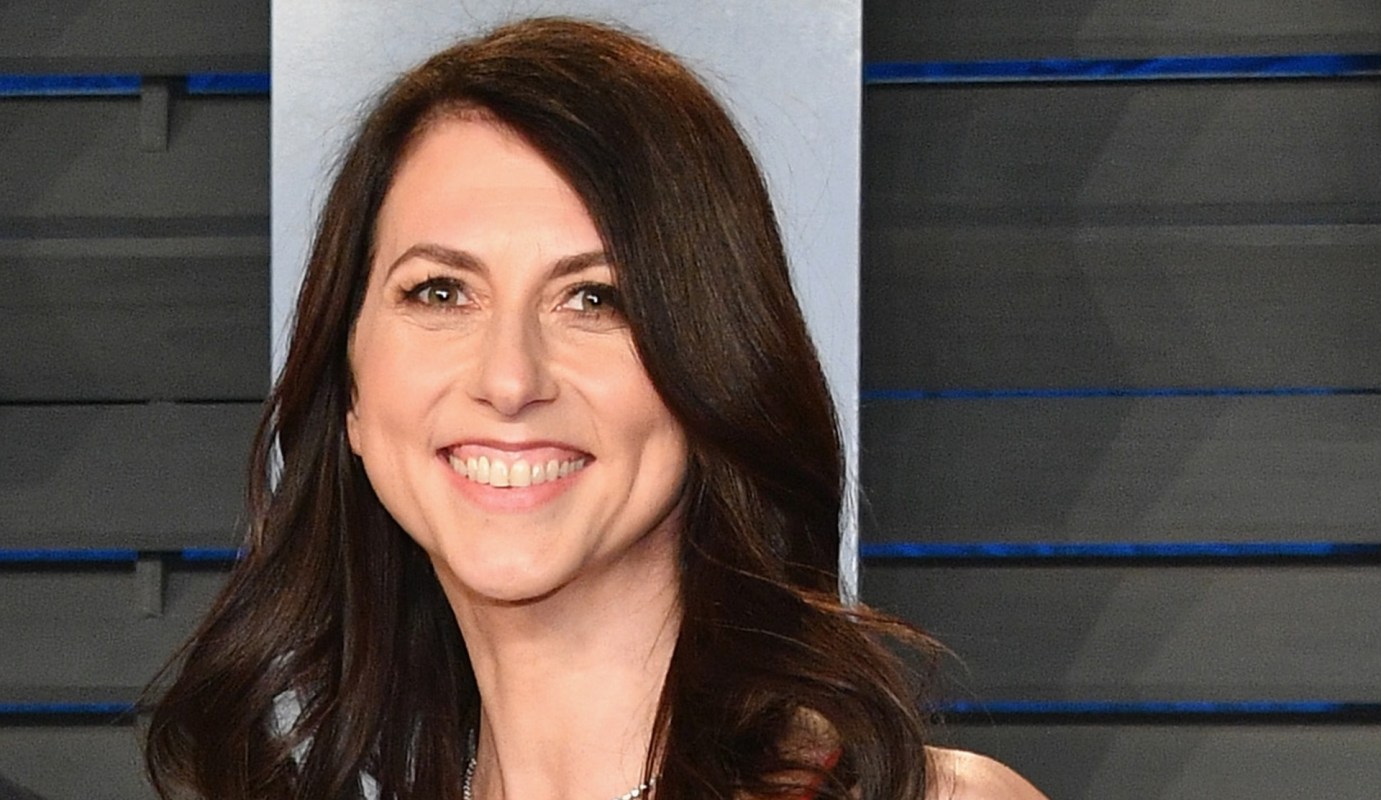
According to Fortune, MacKenzie Scott has directed more than $26 billion to charitable causes in only a few years, and many of her ultrawealthy peers continue to donate at a much slower rate.
What's happening?
Jeffrey Bradach, a cofounder of the Bridgespan Group, examined what he describes in a new essay as "slow philanthropy." It's a pattern in which total giving may rise, but the share of a billionaire's wealth that gets donated barely changes.
According to research from Bridgespan cited by Fortune, households worth more than $500 million gave about 1.2% of their assets in 2017. When the same measure was revisited for 2023, that percentage was "essentially unchanged."
Bradach's point is that charitable donations are not keeping pace with swelling fortunes. He wrote that, despite public promises from many of the ultrawealthy to eventually give away major portions of their wealth, their actual patterns of giving often do not match those stated aspirations.
In his analysis, Scott emerged as a clear outlier. In a version of his essay adapted for the Stanford Social Innovation Review, Bradach called Scott the "most generous individual philanthropist of this century," pointing both to the total dollars she has donated and to how rapidly she has moved that money out the door, while still investing enough to continue earning more.
Why is this concerning?
For nonprofits and the people who rely on them, the pace of donations matters. Housing groups, schools, health organizations, and community programs often need immediate support and can't afford to wait while donor fortunes continue to grow.
TCD Picks » Quince Spotlight
💡These best-sellers from Quince deliver affordable, sustainable luxury for all




Recognizing this pattern also exposes a lot of financial inequality. Hesitation from major philanthropists can leave groups that serve the public with hard choices. They have to postpone work, cut back services, or devote scarce time to pursuing restricted grants instead of meeting urgent needs directly.
Bradach framed the issue as a structural one, writing, "In the absence of a forcing function, delay is costless to the donor and easy to rationalize."
What can be done?
One solution to "slow philanthropy" is the model Scott has used. Bob Woodruff Foundation CEO Anne Marie Dougherty told Fortune that Scott's style reflects "trust-based philanthropy," often built around unrestricted funding and fewer administrative hurdles.
Meanwhile, Bradach wrote that faster giving will take more than fresh public commitments. He pointed instead to "the gift," a view of philanthropy rooted in generosity and moral duty rather than treating charitable giving primarily as an investment decision.
Scott's own 2019 Giving Pledge letter captured that difference. As relayed by Fortune, she wrote, "My approach to philanthropy will continue to be thoughtful. It will take time and effort and care."
"But I won't wait," Scott added. "And I will keep at it until the safe is empty."

Get TCD's free newsletters for easy tips, smart advice, and a chance to earn $5,000 toward home upgrades. To see more stories like this one, change your Google preferences here.






