


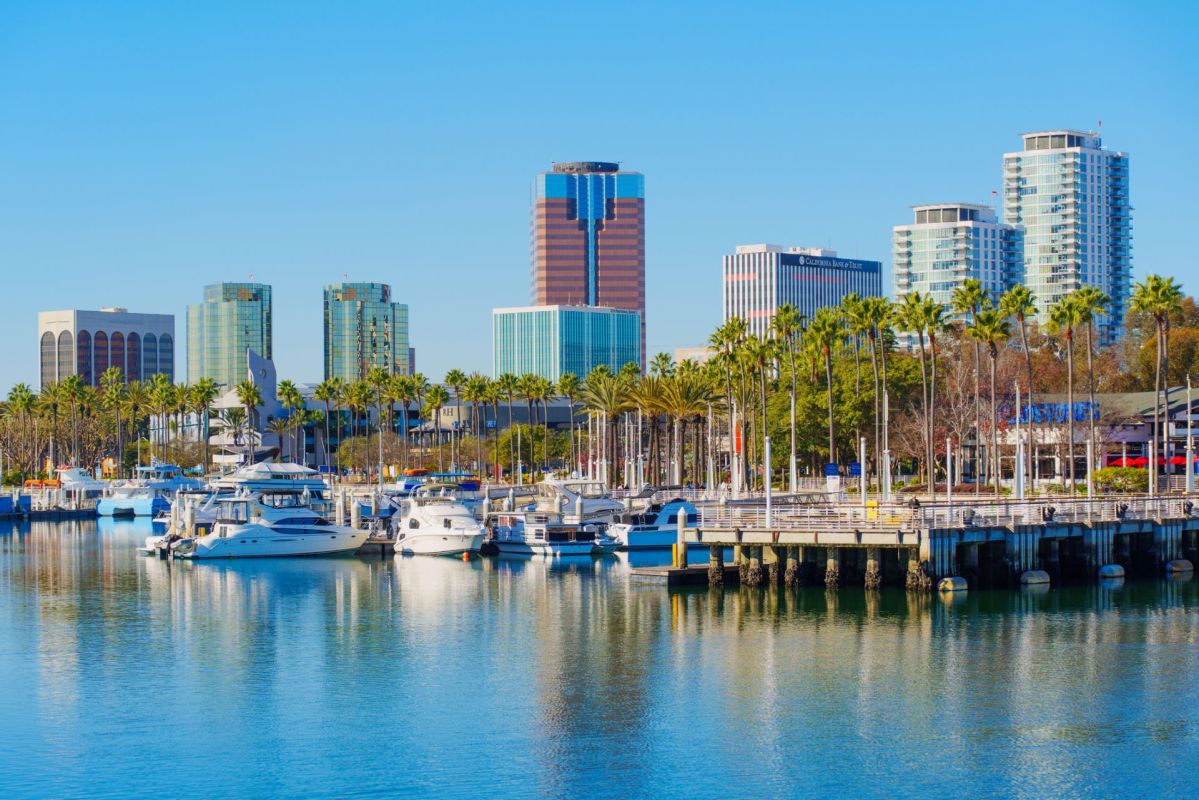
To close this year's budget gap, Long Beach, California, is drawing on funds usually reserved for crises, even though the city is not dealing with a wildfire, flood, or similar disaster.
Officials say the squeeze could force harder choices soon, with service reductions possibly ahead.
What happened?
A mix of weaker-than-expected revenue and higher-than-expected costs has pushed Long Beach to use reserve funds to balance the budget this year, LAist reported. The outlet noted the city now expects revenue to come in roughly $21 million below target while expenses are running about $20.8 million above projections.
City Manager Tom Modica pointed to several pressures hitting at once. LAist reported that the city's utility tax is down by almost $14.7 million as residents use less electricity and gas, airport revenue has held steady even though passenger traffic is down 11%, and Measure LB — a voter-approved tax on power plants — has brought in less than expected.
The financial strain goes beyond tax collections. LAist also reported that the Health Department needs an $11 million infusion from the general fund after losing roughly $18 million in federal grants, while union labor deals have added $38.3 million in ongoing costs over three years.
With reserve levels down, the council is heading into the next budget cycle in a weaker position than it has seen in years, LAist reported. Modica is slated to present a fiscal year 2027 budget proposal on July 30, and the council must approve a final version by the end of September.
TCD Picks » Quince Spotlight
💡These best-sellers from Quince deliver affordable, sustainable luxury for all




Why does it matter?
Emergency reserves are generally meant for sudden shocks, not for covering ordinary operating shortfalls. When that money is used to patch a routine budget problem, there is less cushion left if a real crisis arrives.
Budget stress can lead to delayed infrastructure projects, fewer city services, and greater pressure on departments residents rely on every day, especially public health, emergency response, and neighborhood programs. Long Beach has already paused some capital projects and delayed hiring to reduce costs.
As LAist noted, Long Beach lowered police and firefighter vacancy rates, but once those jobs were filled, the city lost the budgeted savings from empty positions, contributing to a $10.6 million underestimate in the citywide activities budget.
Similar patterns are emerging across the region as local governments contend with softer tax revenue, rising labor and insurance costs, and less outside aid.
What's being done?
Officials say they have already taken steps to cut spending. LAist reported that last fall Modica told departments to find 3% savings by delaying hires and putting some projects on hold.
LAist reported that most departments cut between 2% and 7%, while the Police Department trimmed almost $11 million through less overtime, a delayed recruit academy, some hiring freezes, and fewer noncritical purchases.
LAist reported that the city found roughly $16 million in savings by leasing or financing new vehicles rather than buying them outright. However, city Financial Management Director Kevin Riper cautioned that the strategy could create future challenges because Long Beach would eventually need to rebuild cash for fleet purchases.
Next is the fiscal year 2027 budget, which LAist said Modica has warned will bring hard choices for residents and city staff.
"My goal with the Proposed Budget, which will include very difficult changes for both the community and our organization, will be to outline a path to fiscal sustainability and create a plan to replenish our reserves," Modica wrote in an email to staff, as reported by LAist.

Get TCD's free newsletters for easy tips, smart advice, and a chance to earn $5,000 toward home upgrades. To see more stories like this one, change your Google preferences here.






