


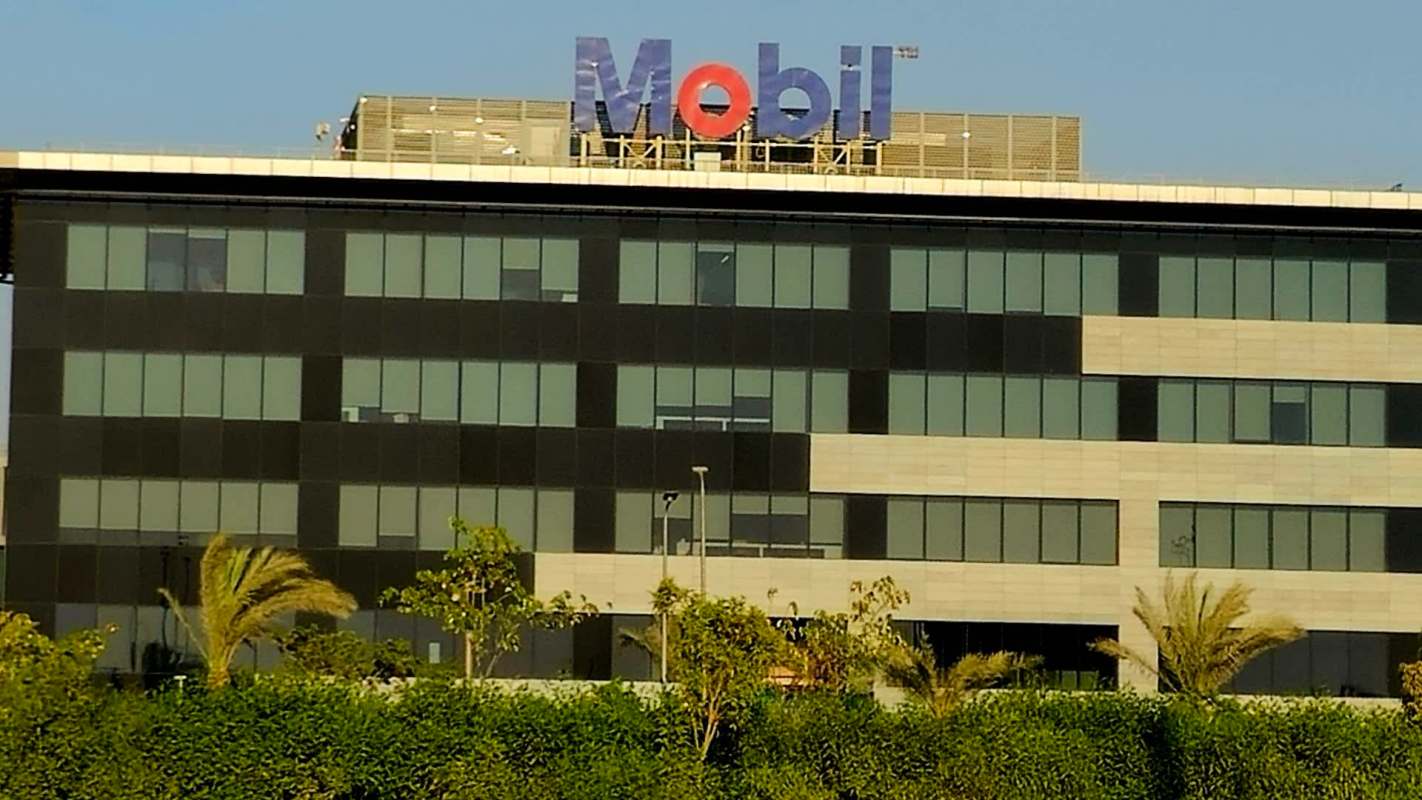
At 87, former Exxon CEO Lee Raymond has died, leaving behind a career defined both by the growth of one of history's most powerful oil companies and by his public rejection of climate warnings, Bloomberg reported on Thursday.
His legacy captures a stark contradiction: huge gains for shareholders, outsized influence over the oil industry, and years of resistance to the science of global warming.
While running Exxon from 1993 to 2005, Raymond delivered average annual shareholder returns of 14%, versus 10% a year for the S&P 500 over the same period, according to Bloomberg. He also presided over the 1999 merger with Mobil, an $82 billion deal that created Exxon Mobil and remade the global oil industry.
Climate politics made Raymond one of the fossil fuel business's most confrontational public faces. He fought the 1997 Kyoto Protocol's attempt to cut greenhouse gas emissions, and in a 1997 speech in Beijing, he said, "Let's agree there's a lot we really don't know about how climate will change in the 21st century and beyond."
Long after Raymond left Exxon, media investigations cited by Bloomberg said the company had understood more about climate change since the 1970s than it disclosed publicly and had misled the public about that knowledge. Exxon denied those allegations.
Raymond's career reflects a central tension of the fossil fuel era: enormous corporate success often came alongside decisions that worsened risks for the public. Under Raymond, Exxon became a financial powerhouse, ending his tenure with a $29 billion cash balance, even as he publicly cast doubt on climate science and fought major efforts to curb emissions.
TCD Picks » Quince Spotlight
💡These best-sellers from Quince deliver affordable, sustainable luxury for all




The fossil fuel industry affects people and communities in immediate, everyday ways. The extraction, production, and burning of oil and gas contribute to extreme weather disasters that destroy homes, livelihoods, and local economies. They also drive air and water pollution linked to asthma, heart disease, cancer, and premature death. At the same time, many households are left coping with high energy costs even as corporate profits climb.
The industry's political influence is also significant. When major companies lobby against climate action or delay cleaner, cheaper energy alternatives, families miss out on healthier air, lower utility bills, and more resilient communities. Raymond's legacy is not only about one executive — it also reflects how decades of corporate leadership helped shape today's climate crisis and cost-of-living pressures.
Environmental pressure on Raymond outlasted his tenure at Exxon. Activists targeted him for years, and after he left the company, a shareholder campaign also emerged that led to his 2020 resignation from JPMorgan Chase's board after 33 years.
Scrutiny of Exxon's climate record has also continued through investigations and public reporting, helping build momentum for greater accountability across the industry.

Get TCD's free newsletters for easy tips, smart advice, and a chance to earn $5,000 toward home upgrades. To see more stories like this one, change your Google preferences here.






