For many readers, a newspaper subscription feels like a simple transaction: Pay the listed price and get access to the news.
A new lawsuit against The Washington Post argues the process may not have been so straightforward for some subscribers.
What happened?
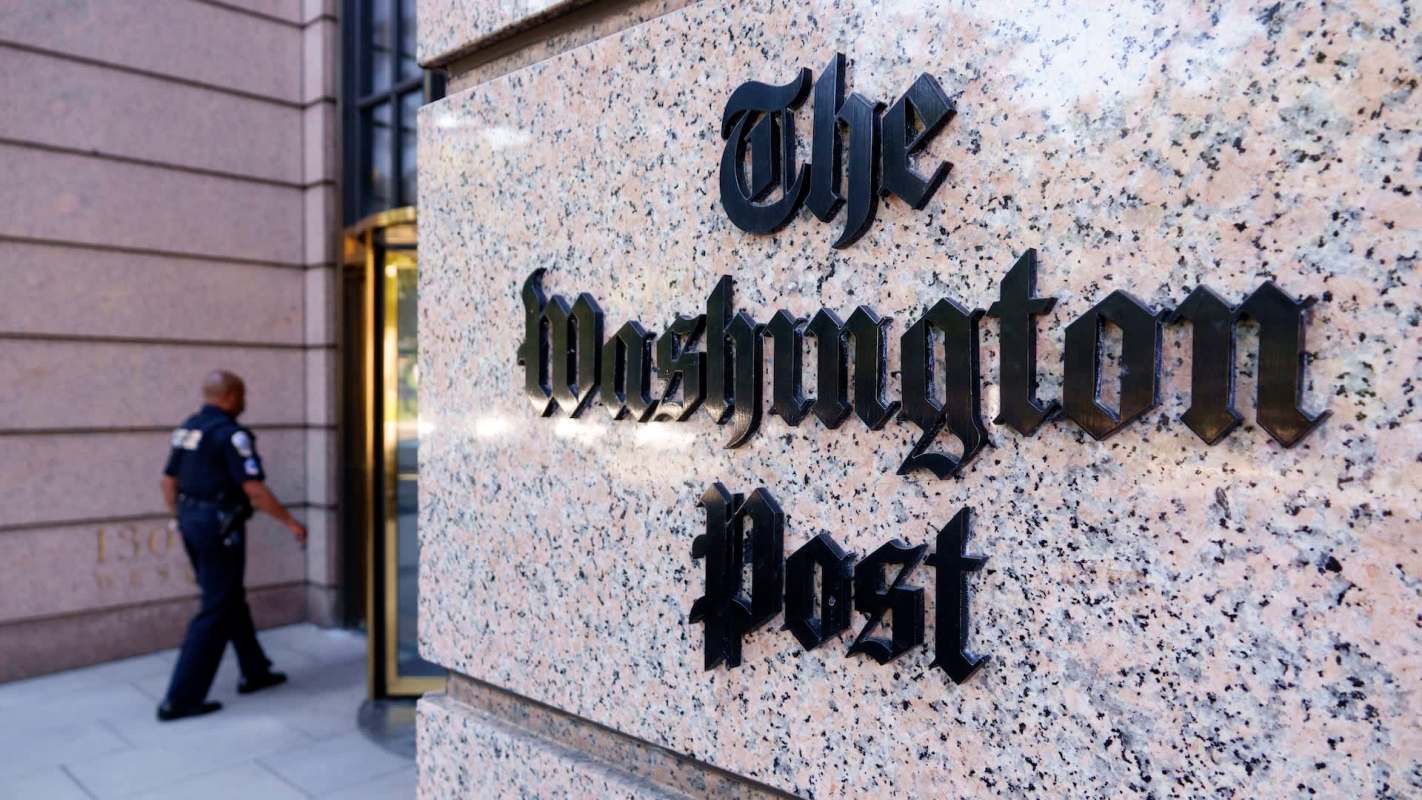
In D.C. Superior Court, The Washington Post is now the target of a proposed class-action case accusing it of using subscriber data to vary the price offered for news access, Courthouse News reported.
Chelsea Blink, a subscriber leading the suit, says the paper built "pricing profiles" from information that included reading habits, demographics, browsing activity, device information, and location data.
The complaint alleges that this practice was in place by at least December 2024 and that subscribers were not clearly told about it at the time.
According to the readers, many subscribers did not learn of the pricing practice until a March 2026 renewal email. They say that notice came only after New York began requiring companies to disclose when algorithms use personal data to help set prices.
TCD Picks » EDF Spotlight
💡EDF's Vital Signs newsletter delivers stories about game-changing solutions close to home and around the world




In the suit, subscribers wrote: "The law does not allow this conduct."
The complaint says suspicions grew as readers started comparing what they had been offered.
One example involved a customer who saw a renewal jump from $170 to $260, while another said, "I managed to get a $60 deal."
Why does it matter?
If the allegations are true, the case points to a business practice that can quietly make access to information more expensive for some people than for others.
TCD Picks » Quince Spotlight
💡These best-sellers from Quince deliver affordable, sustainable luxury for all




The core complaint is not just about data collection. Many consumers already expect companies to track clicks and cookies for advertising purposes.
What plaintiffs argue crossed the line here was the idea that a person's habits and profile could be used to decide how much they should pay.
As the lawsuit puts it, subscribers would not expect tracking to "transform into a profiling system designed to predict their economic value."
Surveillance pricing has drawn broader scrutiny from state attorneys general and the Federal Trade Commission.
The Post has faced financial and editorial pressure in recent years. Jeff Bezos purchased the paper in 2013, and this February the outlet cut over 300 journalists, about 30% of its staff, as it tried to improve its finances.
What's being done?
Blink and the proposed class want the court to make The Post fully disclose its data practices and to halt any surveillance pricing that was not disclosed.
They argue the conduct violates Washington, D.C.'s Consumer Protection Procedures Act.
The case could become part of a broader test of how far companies can go in using personal data to individualize prices.
Regulators have increasingly examined so-called algorithmic or surveillance pricing, especially in cases where consumers do not know it is happening.

Get TCD's free newsletters for easy tips, smart advice, and a chance to earn $5,000 toward home upgrades. To see more stories like this one, change your Google preferences here.
Cool Picks