


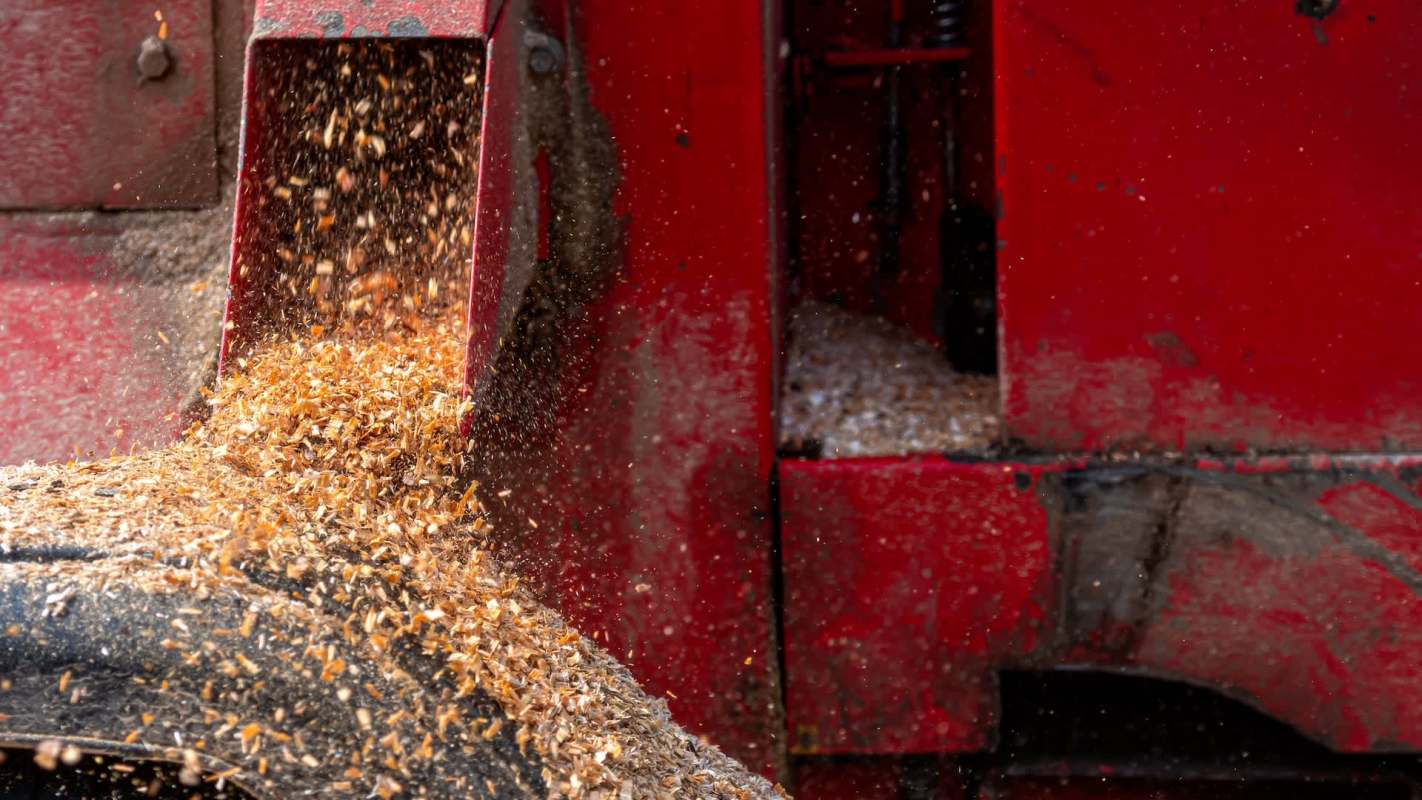
Despite the sponsor's statement that "I do not know a lot about it," Louisiana lawmakers unanimously passed a bill aimed at attracting more wood pellet mills to the state.
For people who already live near pellet plants, that fast-tracked effort could bring added air pollution, more industrial dust and noise, and additional public support for an industry that remains deeply contentious.
What happened?
According to Grist, House Bill 670 instructs the Louisiana Economic Development to develop incentives for wood pellet companies.
Those incentives could include tax breaks, job training, and port-related assistance, and the measure would also encourage quicker permitting by regulators.
State Rep. Chuck Owen said he wants Louisiana to become a "premier location for wood pellet manufacturing."
He said the idea comes down to the state's timber resources.
TCD Picks » Quince Spotlight
💡These best-sellers from Quince deliver affordable, sustainable luxury for all




"We have a lot of trees in Louisiana, and north of Bunkie, that's about all we have," he said, per Grist. "There's a market craving wood pellets, and I think we should get further into it."
Even so, Owen said during the debate, "I do not know a lot about it."
He did not seem to be alone in that uncertainty.
Before ultimately voting yes, one lawmaker asked, "Are we talking about the wood pellets you put in the smoker, or do you build stuff with these wood pellets?"
The bill is getting extra attention because Drax already operates major pellet mills in Louisiana and Mississippi, where the industry has been the subject of pollution complaints.
Why does it matter?
Supporters frequently market wood pellets as a cleaner-burning energy source because they are burned to produce electricity instead of coal or gas.
Critics say that pitch leaves out what nearby residents and the climate may bear as a result.
Drax has paid nearly $6 million in fines and settlements over the past six years related to pollution violations in Louisiana and Mississippi.
In Gloster, Mississippi, residents are also suing over alleged exposure to chemicals, including formaldehyde, acrolein, and methanol.
For people living nearby, the effects are not abstract: they involve the air around them, the noise from the facilities, and the day-to-day conditions in their communities.
Money is also part of the dispute. Through Louisiana's Industrial Tax Exemption Program, Drax has avoided about $75 million in property taxes that otherwise could have gone to schools and local services.
Backers of pellet mills say the plants can help restore forestry towns, but each Drax mill has only about 70 employees.
In practice, the measure could help grow an industry with a substantial history of pollution concerns while delivering comparatively modest local economic gains.
What are people saying?
Kadin Love of the Dogwood Alliance was sharply critical of the proposal.
"This is an industry that doesn't have a clean history," he said, per Grist. "This bill opens doors to the industry that we might not be able to close."
Drax responded differently, saying, "We appreciate the engagement of lawmakers and our community partners in Louisiana. We remain focused on operating responsibly and transparently."
Love also said the Legislature's quick approval of the bill shocked him.
"If you're making a state law that exclusively benefits one industry, I'd hope they'd do some homework on it. The fact that they're not doing the due diligence of researching this industry is incredibly concerning."

Get TCD's free newsletters for easy tips, smart advice, and a chance to earn $5,000 toward home upgrades. To see more stories like this one, change your Google preferences here.






