


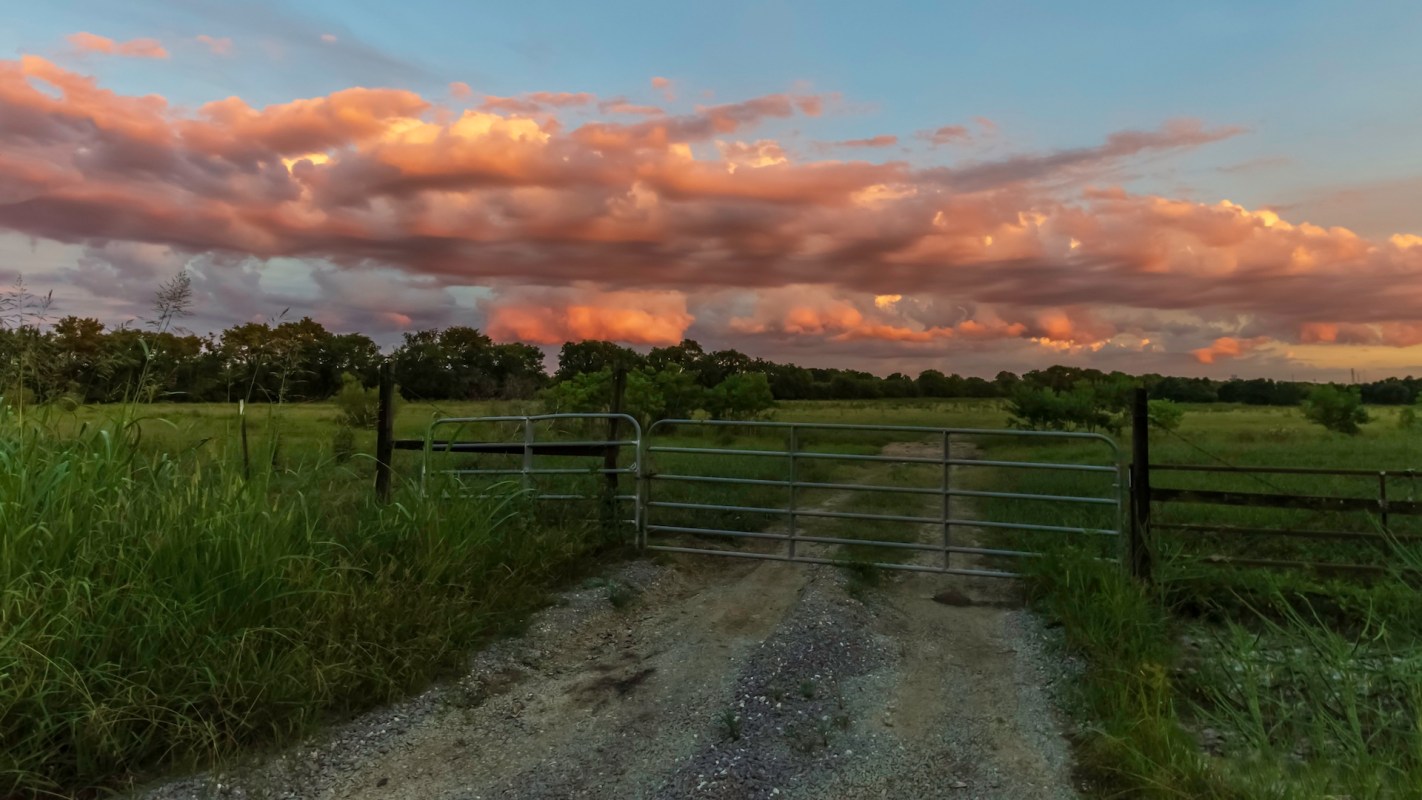
An environmental justice dispute in Louisiana intensified after local officials approved heavy industrial zoning for about 1,400 acres of farmland.
According to The Advocate, the St. James Parish Council's action puts future industrial projects closer to the historic Black community of Romeville and may further complicate an existing discrimination suit.
What happened?
After an emotional hearing in late June, council members changed the designation of roughly 1,400 acres of Mississippi River farmland near Romeville from agricultural to heavy industrial, opening the door for future industrial projects there.
The Advocate reported that both opponents and supporters filled the council chambers during the proceedings, while law enforcement maintained a visible presence, and restrictions were placed on where journalists and other attendees could move while recording the meeting.
Among the speakers were Black and white residents who said their families have been in the area for 150 to 300 years, and they urged council members to "let their conscience be their guide."
Even so, the rezoning moved forward.
TCD Picks » Quince Spotlight
💡These best-sellers from Quince deliver affordable, sustainable luxury for all




The rezoning decision could now be folded into ongoing federal litigation involving the parish. Advocacy groups that are already suing St. James Parish over what they describe as discriminatory land-use practices are seeking to include the new vote in the case.
The suit alleges the parish has made discriminatory land use decisions, placing polluters into majority Black districts while protecting majority White areas, The Advocate reported.
Since 2024, the lawsuit has demanded a moratorium on new industrial development in the area.
Why does it matter?
Land-use decisions can affect the air people breathe, the water they rely on, property values, traffic, noise levels, and whether families feel secure staying in communities they have called home for generations.
In a parish already known for heavy industrial development along the Mississippi River, opening more land to industry adds to those concerns.
The vote also reflects a national debate over who bears the health and economic burden of industrial expansion and whether long-marginalized communities have a meaningful say before more pollution is placed next door.
Those advocating for the change claim that the current zoning laws dissuade industrial partners that can offer new tax revenue and jobs from moving into the area.

Get TCD's free newsletters for easy tips, smart advice, and a chance to earn $5,000 toward home upgrades. To see more stories like this one, change your Google preferences here.






