


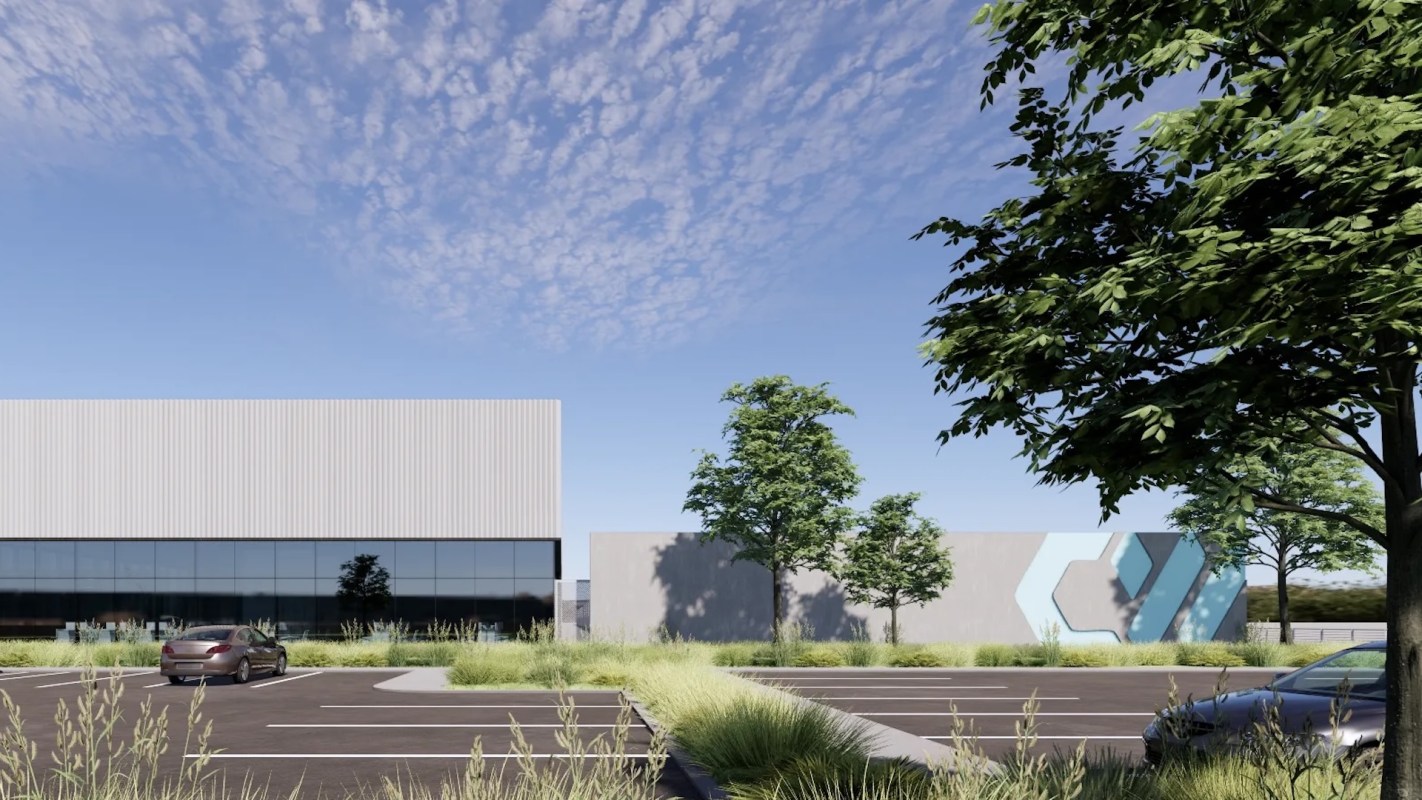
Residents in Lancaster, Pennsylvania, are mounting an effort to stop a second data center planned for an area of the city.
Their appeal is drawing attention to a broader question facing communities across the country: How much say do neighbors really have when energy-hungry data projects arrive, especially when the legal path to challenge them is limited?
Here's what to know
After the city planning commission granted conditional preliminary approval for a second facility, Lancaster Residents Against Glut and Exhaust, or RAGE, moved to contest that decision, according to LancasterOnline.
Filing on the group's behalf, Lancaster resident Tony Dastra argued that neighbors should still be able to present their case to the zoning hearing board.
"The public still has not been given the rights guaranteed to them by the Municipalities Planning Code to have their day in their zoning hearing board — the most local, quasi-judicial form of government where these issues are adjudicated," Dastra said, according to LancasterOnline.
Marc D. Jonas, who co-leads Eastburn and Gray's land use and zoning practice group, offered a different view to the outlet. He said Pennsylvania law generally sends land development appeals to the county's Court of Common Pleas, which may mean the zoning board cannot grant this one.
TCD Picks » Quince Spotlight
💡These best-sellers from Quince deliver affordable, sustainable luxury for all




Chirisa Technology Parks and its partners still need final land development approval for the second building. One data center is already being built at the site, at 216 Greenfield Road, and another is planned at 1375 Harrisburg Pike.
More background
Data centers help power cloud computing and many artificial intelligence tools, and artificial intelligence can offer major benefits, including helping utilities forecast demand and optimize cleaner energy systems. However, large data centers can consume enormous amounts of electricity and water, raise security and misuse concerns, and put added strain on aging power infrastructure.
For homeowners in the Lancaster area, that strain could carry a direct financial impact. Large new electric loads in PPL and Met-Ed territory can contribute to higher PJM capacity costs, which may later show up on residential utility bills.
Residents have already tried to challenge the city's "wholesale trade and storage" designation, but an earlier appeal ended with a judge siding with the developer.
Jonas said zoning determinations fall into a legally "fuzzy" area and are often handled informally. As a result, residents may get little notice and limited opportunities to object, even when they believe a project could significantly reshape their neighborhood.
What's being done?
Dastra said city officials told him the appeal is expected to be placed on the zoning hearing board's Sept. 28 agenda for 4 p.m. at City Hall. That differs from city communications manager Amber Strazzo Righter's statement that no hearing was scheduled.
The developer, however, is standing by the project. Chirisa managing director David Kelly said, "The use is expressly permitted and the appeal has no merit."
Even if the zoning board ultimately determines that it lacks jurisdiction, the appeal could still force a public airing of concerns over land use, grid demand, and neighborhood impacts.
Jonas said, "These determinations were not appealable events for an objector."
Where can I learn more?
Similar battles are playing out in other states, from gas plant approvals to utility rate disputes and warnings about higher household electric bills.
• In Ohio, gas plants are being approved for data centers before neighbors get a say.
• In Michigan, lawmakers' data center carve-out could harm the state's energy transition and raise bills.
• In Wisconsin, We Energies seeks a rate rewrite after Oracle hit a costly hurdle.
• New Jersey regulators warn AI data centers could push electric bills up 20%.

Get TCD's free newsletters for easy tips, smart advice, and a chance to earn $5,000 toward home upgrades. To see more stories like this one, change your Google preferences here.






