


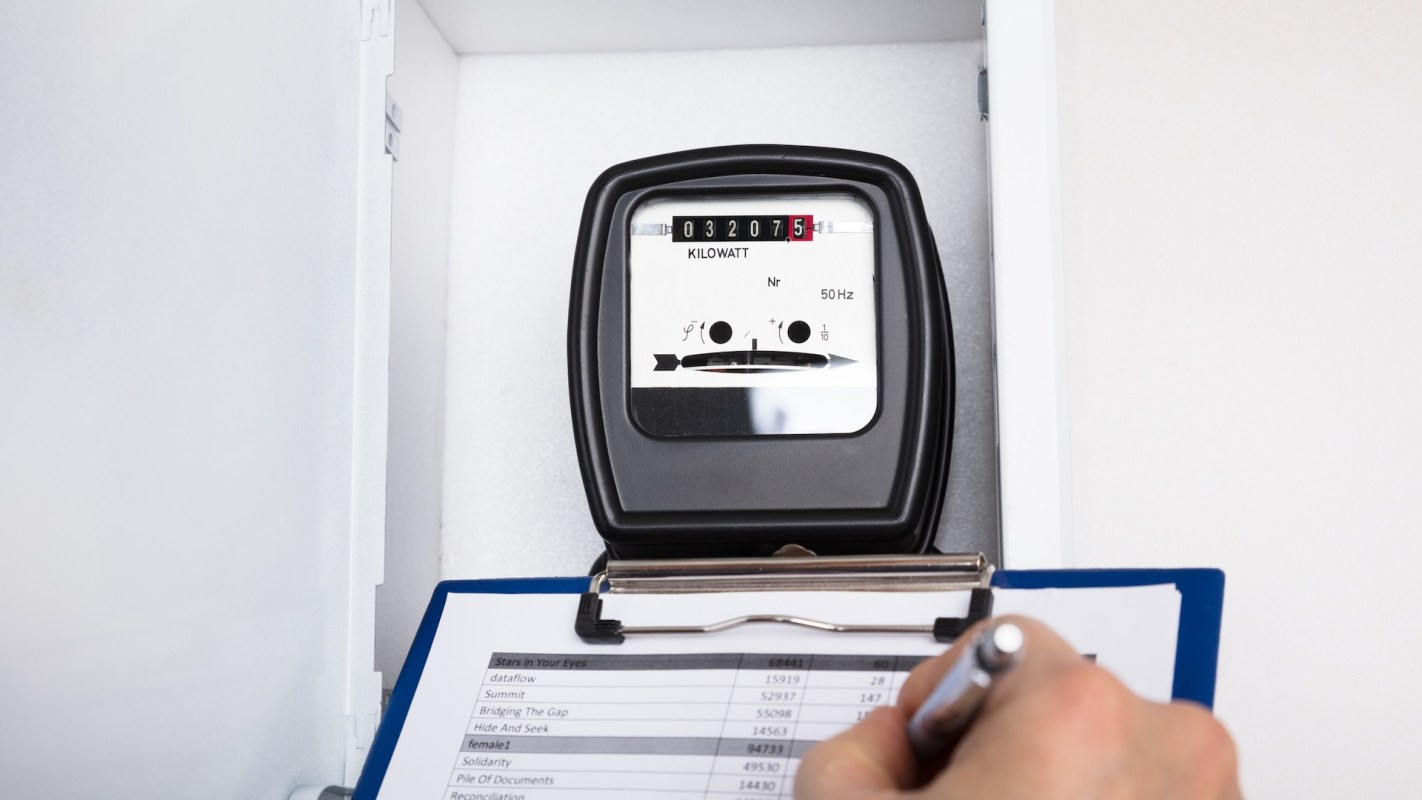
Lakeland, Florida, residents will soon pay more for electricity after officials adopted a long-term pricing plan that raises base charges in stages through 2030.
For many households, that means another essential monthly expense becoming harder to manage in a state where air conditioning is often a necessity, not a luxury.
What happened?
According to a report from The Ledger, at a July 20 meeting, Lakeland city commissioners voted unanimously to approve a 15.87% increase in Lakeland Electric's base rates, with the first adjustment scheduled for Oct. 1 and further increases planned annually through 2030.
All customers will also see the monthly customer charge increase from $14 to $15.25 this October. That fee is then set to continue rising until it reaches $17.50 per month in October 2029, according to The Ledger.
For the average residential customer, Lakeland Electric expects total bills to rise roughly 2.4% annually over the next four years, The Ledger noted. The utility said a typical household uses about 1,178 kilowatt-hours a month, which the outlet reported would put an average bill at around $163.42 in October 2026 and about $175.12 by 2030 if fuel charges remain stable.
Business customers are expected to feel the increase differently. Small and medium commercial users would see average annual bill increases of about 2.8%, while large commercial users would face smaller jumps of around 1.2% per year or less.
TCD Picks » Quince Spotlight
💡These best-sellers from Quince deliver affordable, sustainable luxury for all




Why does it matter?
Even relatively modest yearly increases can add up quickly for families already juggling housing, insurance, groceries, and transportation costs.
In hot, humid Florida, reducing electricity use is not always easy, especially for seniors, renters, and households with medical needs that rely on dependable cooling.
Higher power bills can also leave people with less money for home upgrades that could reduce energy use, such as better insulation, efficient appliances, or heat pumps.
The plan reflects a challenge facing utilities and residents alike. Utilities need to cover rising costs, but higher base charges can limit how much control customers have over their bills, since part of the increase is fixed regardless of how much electricity they conserve.
For a city-owned utility, residents are also the people funding the system while trying to keep their homes safe and comfortable.
What can I do?
Lakeland Electric officials said customers may have some ability to reduce the impact because residential rates are tiered. According to The Ledger, electricity used in the first 1,000 kilowatt-hours is billed at a lower tier, with higher rates applying from 1,001 to 1,500 kilowatt-hours and again above 1,500.
Ryan Matley, principal of third-party consultant NewGen, said, as reported by The Ledger, that the lower-usage tier is expected to rise by roughly 2% a year, which is slightly below the overall residential average. Households that are able to cut their usage may avoid some of the steepest increases.
As Willem Strauss, Lakeland Electric's assistant general manager of fiscal operations, said, as reported by The Ledger: "The reason is straightforward, even if the timing is never ideal. Our costs have gone up, materials, equipment and the people and systems that keep the lights on have risen. The base rate has not kept pace."

Get TCD's free newsletters for easy tips, smart advice, and a chance to earn $5,000 toward home upgrades. To see more stories like this one, change your Google preferences here.






