


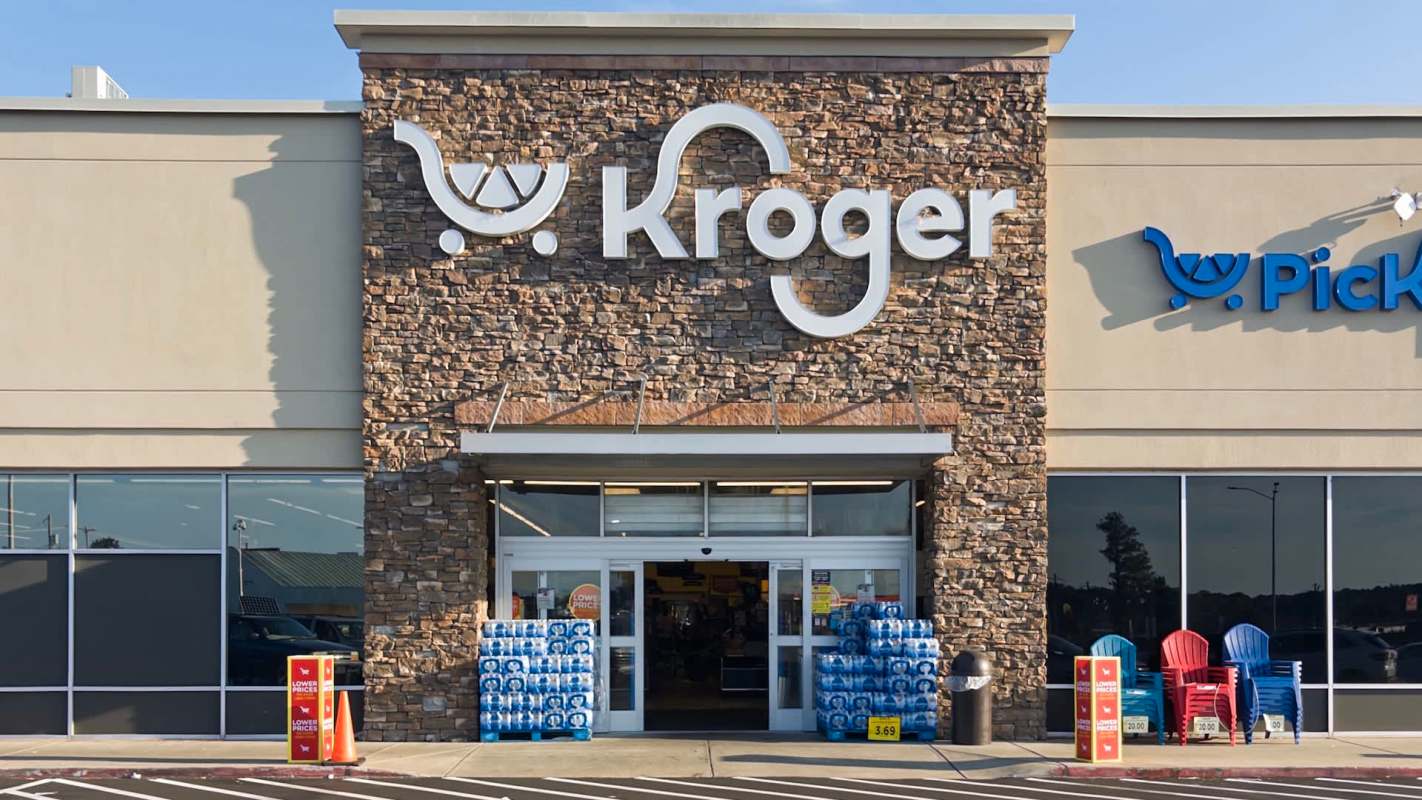
Pricing mistakes at the grocery store can be easy to miss, especially when shoppers rush through the aisles and must work harder to keep their budgets in check.
But an Ohio-focused analysis suggests those mistakes at Kroger may be more common than many customers realize — and that they benefit the company far more often than the shopper, the Ohio Capital Journal reported.
Here's what to know
A report from the Center for Responsible Food Business found that government inspections of Kroger stores in the Buckeye State repeatedly uncovered pricing problems, with overcharges showing up nearly three times as often as undercharges.
The Center for Responsible Food Business, a nonprofit focused on ethical practices in the food industry, said that 15% of 389 pricing inspections at 101 Kroger locations across nine Ohio jurisdictions from 2022 to mid-2026 ended in failure.
According to the group, inspectors documented 474 overcharges and 170 undercharges.
The report said the issues were concentrated more heavily at certain stores. In Butler County, half of the inspected stores failed.
TCD Picks » Quince Spotlight
💡These best-sellers from Quince deliver affordable, sustainable luxury for all




"One Kroger on Siebenthaler Avenue in Dayton, for example, failed three separate government price inspections, and complaints in the same records allege 'senior abuse' over the storeʼs pricing," the report noted.
It also determined that people of color and seniors appeared to be especially vulnerable, and routine checkout mistakes may weigh more heavily on communities already facing financial strain.
More background
Measured by sales, Kroger is the third-largest grocery chain in the United States.
The report is not the only place where Kroger's pricing has drawn scrutiny.
During the 2024 trial over Kroger's proposed merger with Albertsons, the Federal Trade Commission introduced testimony from a Kroger executive who said the company raised milk and egg prices faster than inflation.
A former employee testified that Kroger increased prices in neighborhoods where it faced little competition.
The Center for Responsible Food Business also collected customer complaints through TV ads and an online portal.
Its report said 557 testimonials — or 29% of the submissions it reviewed — described the same issue that the source characterized as shelf, weekly ad, or digital coupon prices not matching what customers were charged at checkout.
The group added that the true scope of the issue may be even larger, since many shoppers do not routinely compare their receipts against shelf labels after a shopping trip.
What's being done?
Kroger pushed back on the findings.
"Our customers know that Kroger associates work hard every day to provide great service and value," a Kroger spokesperson said in an email.
"Across millions of transactions in Ohio, we take pricing accuracy seriously and work quickly to correct any issue when it is brought to our attention," it continued.
"This misleading report combines selective data with unverified claims and does not accurately reflect the experience of customers in our stores every day."
Some people who identified themselves as Kroger workers told the Center for Responsible Food Business that understaffing may be helping drive the issue.
A Kroger worker in Texas detailed the claim in a response to the group's survey.
"I work at Kroger and the problem with items ringing up wrong is because they cut hours they donʼt have enough people doing tags, meaning when a new ad comes out they have to take down the old ones and [Kroger] only gives you 1 maybe 2 people to do the WHOLE STORE in 8 hrs," the individual wrote.
Where can I learn more?
Kroger's pricing issues are part of a larger debate over how grocery retailers set prices and pass costs on to shoppers. For more context, see coverage of the chain's digital price tags, public frustration over grocery bills, and other forces pushing food costs higher.
• At Kroger, new digital price tags sparked fears of grocery surge pricing.
• Across the U.S., shoppers blame corporations for high grocery prices and demand action.
• In Europe, a European Central Bank analysis tied surging food prices to more than inflation.

Get TCD's free newsletters for easy tips, smart advice, and a chance to earn $5,000 toward home upgrades. To see more stories like this one, change your Google preferences here.






