


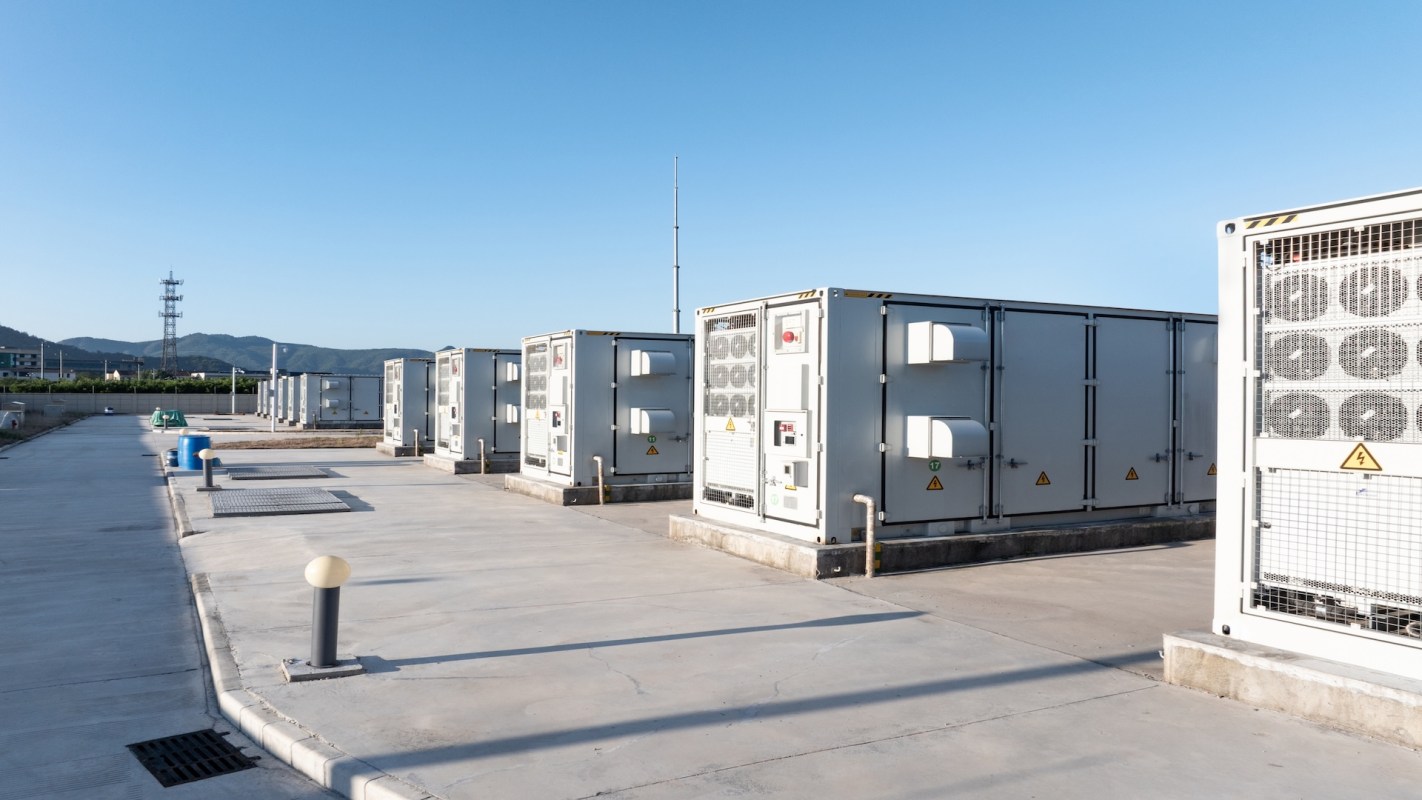
A new battery project in Kern County is taking aim at one of solar power's biggest challenges: timing.
Here's what to know
In Kern County's valley region, the Sandrini Energy Storage facility has been completed beside an existing 300-megawatt solar farm. Houston-based EDP Renewables North America marked the milestone with project partner Redwood Coast Energy Authority.
The Bakersfield Californian described the project as another addition to California's growing renewable energy system.
Solar production often peaks while many people are still at work or school. Electricity demand, meanwhile, tends to rise later, as residents return home, make dinner, run air conditioning, and charge devices or vehicles.
By placing a battery system next to the solar farm, operators can capture some of that midday output and send it back onto the grid when it is needed most.
At 92 megawatts, the project can discharge energy for four hours each night, helping utilities manage periods of high demand without relying as heavily on dirtier or more expensive backup generation.
TCD Picks » Quince Spotlight
💡These best-sellers from Quince deliver affordable, sustainable luxury for all




More background
Battery storage has become one of the most important tools for making renewable energy work at scale.
Producing clean electricity is only part of the challenge. The other is making sure that electricity is available at the right time, especially in a state like California, where hot weather can put major strain on the grid during evening hours.
Projects like Sandrini are meant to serve hours when solar panels have stopped producing but electricity use is still elevated. They do that by saving part of the midday supply and releasing it later at night.
Across California, many battery storage projects are designed for no more than four hours of discharge, making that duration both the upper end for most systems and a key benchmark in grid planning.
The Bakersfield Californian also pointed to more battery and solar development in eastern Kern, highlighting the region's growing role in building the infrastructure for a cleaner, more resilient grid.
What's being done?
Energy companies and public agencies are increasingly pairing renewable generation with storage rather than treating them as separate systems.
That approach can make solar power more dependable and more valuable, since stored electricity can be delivered when it is most useful instead of only when the sun is shining.
Cities, utilities, and large employers can use that to improve planning during heat waves, reduce grid bottlenecks during evening peaks, and provide a stronger buffer against disruptions.
A grid that can shift clean power into high-demand hours may be better positioned to avoid shortages and keep costs under control over time.
Storage helps turn intermittent energy into something closer to an around-the-clock resource. As more communities add batteries alongside solar farms, the result could be a cleaner grid that is also more practical for daily life — one better able to keep the lights on, support businesses, and handle demand after sunset.

Get TCD's free newsletters for easy tips, smart advice, and a chance to earn $5,000 toward home upgrades. To see more stories like this one, change your Google preferences here.






