


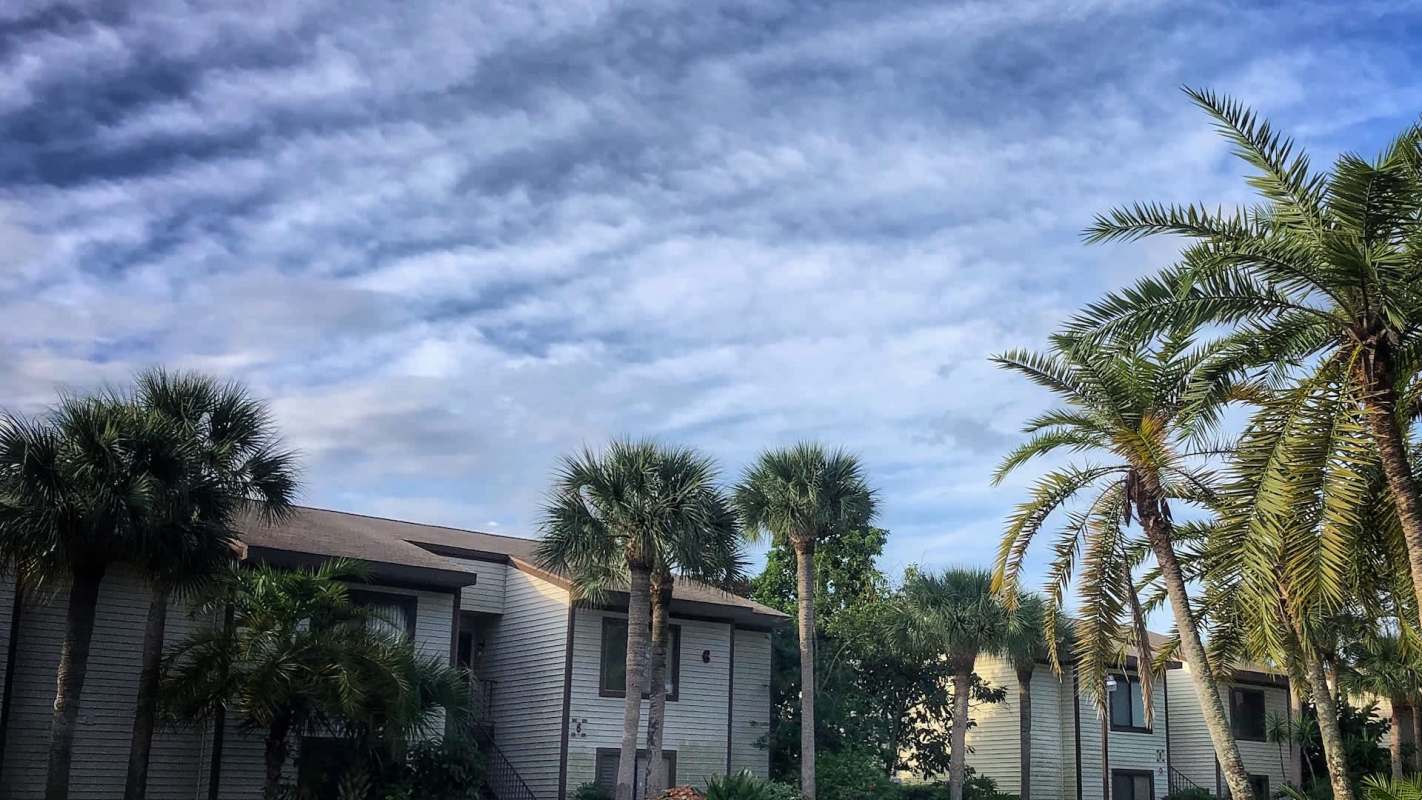
Since Aug. 15, when Hurricane Lala damaged a private utility system in Kaʻū, nearly 100 condo units have been without drinking water and sewer service, and residents still have no timeline for when that will change.
According to the utility owner's lawyer, repairs and upgrades to restore potable water are expected to cost about $500,000, and that money isn't available.
Here's what to know
Seeking answers, residents of the Colony I and Kalana Estates communities attended a Hawaiʻi Public Utilities Commission meeting in Pahala about the outage that began Aug. 15, as Big Island Now reported.
There, attorney Colin Sakumoto, representing Punaluʻu Water and Sanitation owner Eva Liu, said the company cannot currently pay for the work needed to restore drinking water service.
As Big Island Now reported, Sakumoto said: "Securing a half million dollars when you're not even providing water to the customers — that's unlikely to happen." He added, "For this reason, there is no projected timeline of how that will be restored. I'm being absolutely blunt: There is no projected timeline."
He said the wastewater system was nearer to restarting because it mainly needed electricity, but Commissioner Colin Yost questioned what that would accomplish without water service. Sakumoto said toilets would have to be flushed manually using nonpotable water collected from fill sites.
TCD Picks » Quince Spotlight
💡These best-sellers from Quince deliver affordable, sustainable luxury for all




He also said the company had discussed possible support with Hawaiʻi County. However, Mayor Kimo Alameda pushed back on the idea that the county might assume control of the private system, saying: "The county has never bought a privately-owned system. That would not be in our best interest."
More background
The meeting was one of the first chances residents had to confront Punaluʻu Water and Sanitation directly since service was lost, and several described the utility's response as inadequate.
Jeff Silva, president of the Association of Apartment Owners of Colony I at Sea Mountain, said he put water tanks on his personal credit card so neighbors could bathe and wash dishes.
Residents said the prolonged disruption has hit retirees, families, and disabled community members especially hard. Silva said one neighbor, a disabled veteran, depends on others to bring him gallons of water each day.
Kathleen Mumme, a resident of Kalana Estates, said the neighborhood includes "several working families, including one with three small children; very elderly people, and a few disabled residents."
Customers also said the utility's 2025 rate hike added to their frustration. The utility got a temporary 2025 rate hike that boosted customer bills by $500 for the May 2025-to-May 2027 period, citing repairs, maintenance, and other costs.
Nathan Yokum, a part-time resident of Colony I, said residents saw that "nothing was fixed" despite paying the higher rates. One resident asked about reimbursement for costs such as hauling water or renting portable toilets, and Sakumoto said the company could not commit to that.
What's being done?
Alameda, not the utility, presented the clearest option at the meeting. Alameda said he told Liu that Punaluʻu could temporarily act as a county customer by drawing from the Pāhala fire hydrant, coordinating with a water hauler, and filling tanks — something the county already allows for construction sites.
Sakumoto said Punaluʻu Water and Sanitation had tried to line up a contractor to bring in drinking water for customers but had not reached an agreement with any island haulers.
He also said the company sought an engineering assessment, but the firm it hired won't be available until Nov. 17.
Residents are also advancing a community-led alternative. Silva presented Nīnole Wai Community Association as a nonprofit option to take over water and sewer operations on behalf of affected owners.
He said the organization may first need official 501(c)(3) status before filing a formal petition with the Public Utilities Commission.
Silva said he is urging neighbors to stay a few nights each week in Colony I condos to help deter squatting and theft. Mumme said: "This is our home. These are our biggest investments, which are quickly losing value."
Where can I learn more?
Kaʻū's outage echoes other water-system breakdowns driven by storm damage, debt, and aging infrastructure.
• On Oʻahu, officials warned water systems were vulnerable when power failed after back-to-back storms.
• In Great Barrington, a utility's $100,000 debt stalled a water filter and threatened emergency supply.
• In Massachusetts, residents got higher bills, brown tap water, and another missed repair deadline.
• In Pender County, officials weighed refunds for 1,500 residents still waiting on water decades later.
• In Hoover, Alabama, tenants were warned water could go off again after weeks without service.

Get TCD's free newsletters for easy tips, smart advice, and a chance to earn $5,000 toward home upgrades. To see more stories like this one, change your Google preferences here.






