


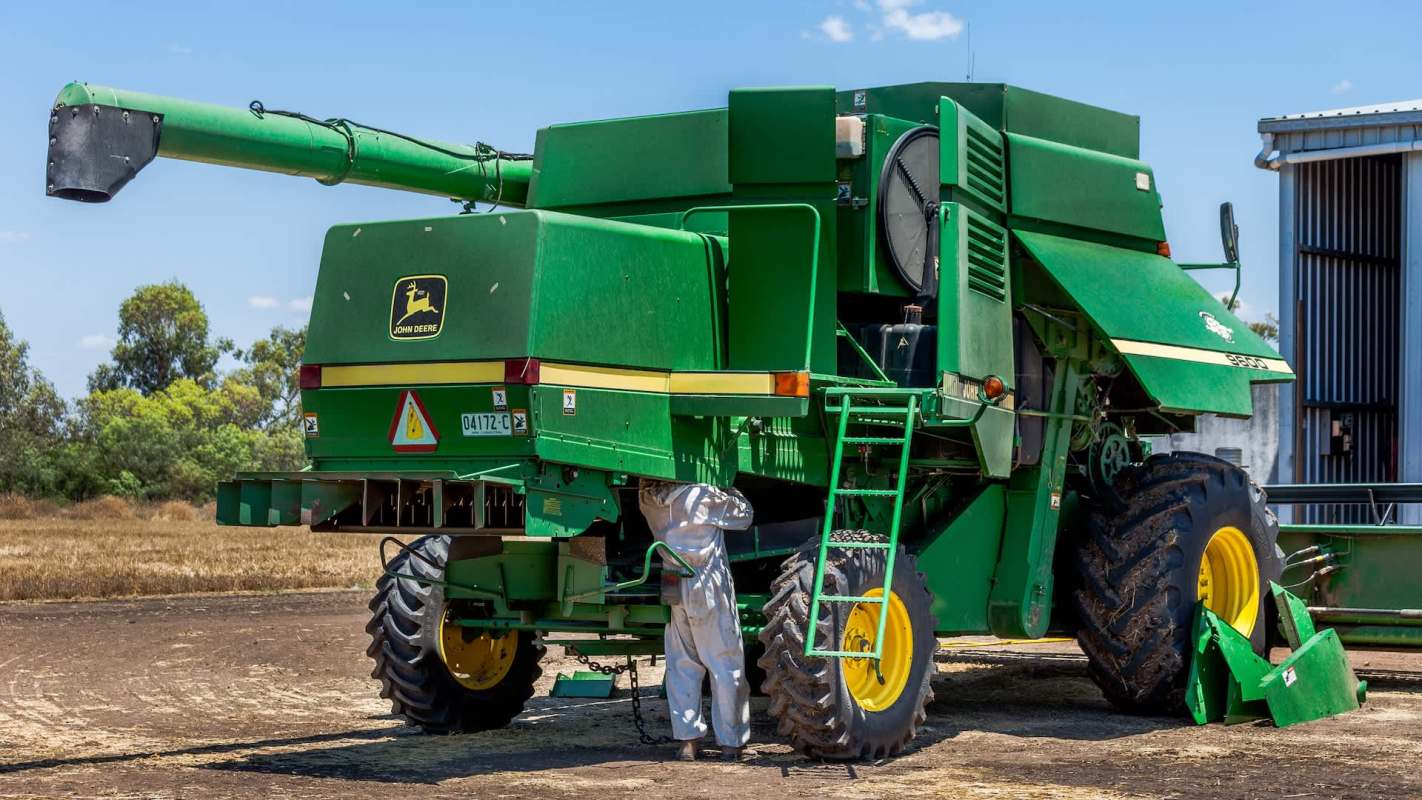
John Deere owners who have had to depend on authorized dealers for critical repairs may get more room to fix their own equipment.
That possibility comes through a proposed $99 million agreement with the Federal Trade Commission and five state attorneys general, which would push Deere to make key repair software and tools more available — if the company follows through.
Here's what to know
Deere reached the proposed deal on July 8 with the Federal Trade Commission and the attorneys general of Illinois, Minnesota, Arizona, Wisconsin, and Michigan.
Under the agreement, Deere would provide equipment owners and independent repair providers with fair-term access to diagnostic software, repair tools, manuals, and other repair resources.
According to Barn Raiser, the agreement would resolve an FTC lawsuit filed in January 2025 under former FTC Chair Lina Khan that accused Deere of using its control over repair software to gain monopoly power in repairs.
Because electronic repairs on Deere equipment require Deere-made diagnostic software, limiting that access to authorized dealers can leave farmers facing expensive delays at crucial planting and harvest times.
TCD Picks » Quince Spotlight
💡These best-sellers from Quince deliver affordable, sustainable luxury for all




Open Markets Institute researcher Claire Kelloway said the settlement appendix includes "a very detailed list" of the resources Deere must provide, giving advocates more concrete legal leverage than earlier voluntary commitments.
More background
For the broader right-to-repair movement, the case is a notable milestone in a yearslong effort to make products from tractors to smartphones easier and cheaper to fix.
The stakes are especially high for farmers, since a breakdown can stop work, drive up expenses, and force operators to depend on a dealer network they do not control.
If Deere carries out the settlement as promised, owners could see lower repair bills and independent shops could have a better chance to compete.
It could also help keep expensive machines in service longer instead of pushing owners to replace parts or whole pieces of equipment before it is truly necessary.
Wider repair access can save money and reduce the waste that comes with replacing equipment that could otherwise remain in use.
Still, some advocates say the agreement leaves important issues unanswered.
Kelloway said a court win might have created "stronger precedent than you can with a settlement," while possibly bringing "a stronger penalty" than Deere accepted.
So even if the deal expands repair access in a meaningful way, it may not resolve the larger question of whether companies should be required to make products repairable by design.
What's being done?
The proposed order would put the new access rules in place and would bind the company to a 10-year compliance period.
Compared with past promises from Deere, that 10-year period provides a longer enforcement window and gives regulators a formal mechanism to hold the company accountable.
Even so, Repair.org board member and longtime right-to-repair advocate Willie Cade said, "As I read the settlement, it's a positive, but it's not sufficient."
His biggest concern is whether independent repair providers will receive the same practical functionality that authorized dealers have.
He said oversight may be difficult because cloud-based repair systems can change over time without much notice.
"A third party needs to constantly review what is and isn't being granted," he said, warning that changes could occur "very stealthily."
Advocates are also expected to keep pressing for state legislation and broader policy reforms so repair access does not depend on one settlement at a time.
For farmers and independent shop owners, the central question is how Deere actually rolls out the tools — and whether that access works in practice.
In a statement, Minnesota Attorney General Keith Ellison described the agreement as progress, while making clear the fight is not finished: "This settlement is a win for the right to repair that farmers and small, independent businesses have fought so hard for and richly deserve … There's more to do and we're going to do it."

Get TCD's free newsletters for easy tips, smart advice, and a chance to earn $5,000 toward home upgrades. To see more stories like this one, change your Google preferences here.






