


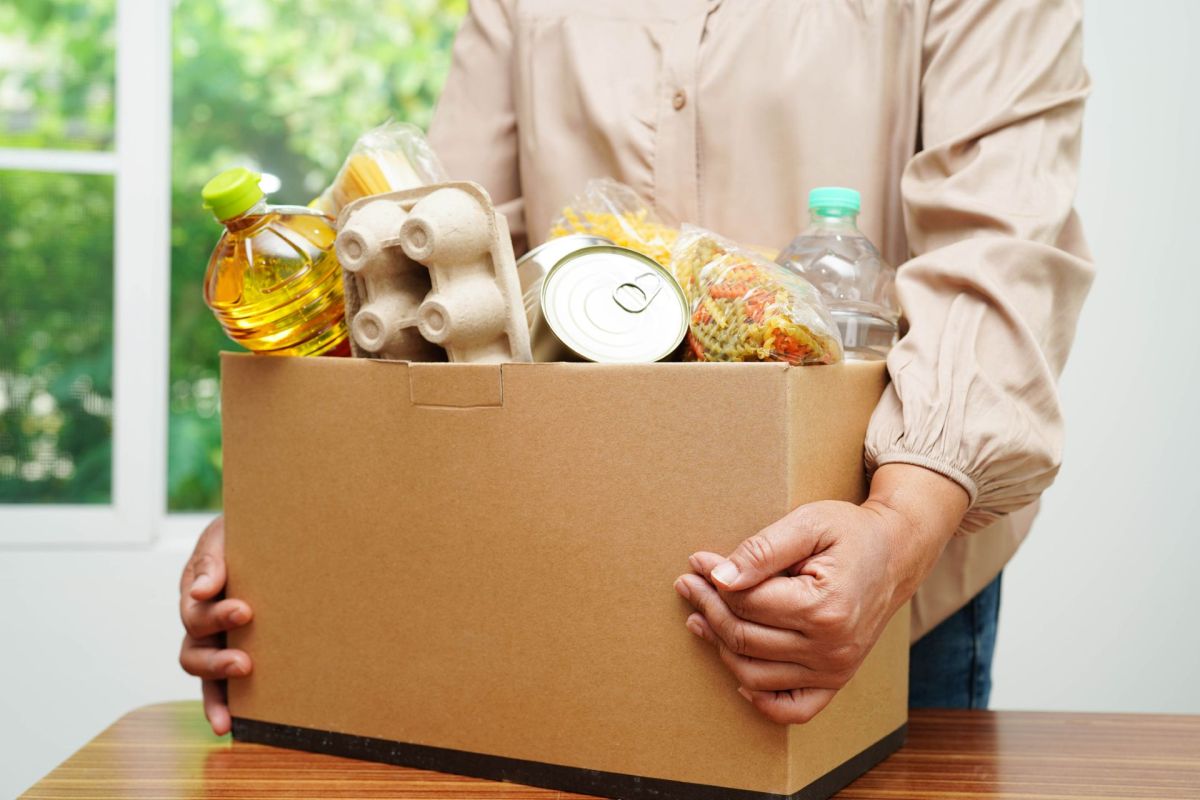
Rising living costs are pushing some Australians into food queues, including a 63-year-old mother in Footscray who says she lines up every Wednesday.
Her experience highlights how much pressure Australia's safety net is under.
Here's what to know
Data highlighted in a 7NEWS Queensland (@7newsq) video report indicates that more than three-quarters of people receiving JobSeeker financial support are at risk of poverty.
@7newsq The Federal Government is being warned support payments for many of those on welfare have become so inadequate, they're a disgrace. New data suggests up to three quarters of those relying on job seeker payments are at risk of living in poverty.
♬ original sound - 7NEWS Queensland
In its caption, 7NEWS Queensland said support payments for many welfare recipients had become "so inadequate, they're a disgrace."
The poverty analysis, from the ACOSS and UNSW Sydney-led Poverty and Inequality Partnership, found JobSeeker recipients had the highest poverty risk.
The station noted it also showed elevated rates for carers and people on disability support payments, while more than one-third of households relying on the age pension were also identified as being at risk.
TCD Picks » Quince Spotlight
💡These best-sellers from Quince deliver affordable, sustainable luxury for all




Living on JobSeeker, Marina Berger, a 63-year-old mum from Footscray, said the payment does not meet her needs.
"It doesn't. It doesn't," Berger said in 7NEWS' report.
More background
Berger said the hardship is not just about money. She said many people fail to grasp the psychological impact when government payments fall far behind the cost of living.
"People get desperate and they do desperate things because they're hungry," Berger told the outlet. "Because they're hungry, because they need food."
That same strain showed up in replies to the 7NEWS' TikTok post.
One commenter, describing the challenge of combining casual work with JobSeeker, wrote that "everytime i get paid by it my job seeker is cut down so much that I cant pay my bills." They added, "People just want to live, and no one can do that with current job seeker."
Other commenters described similar pressure in different ways. One said their Abstudy payment increased by only $3 while rent went up by almost $20, leaving "about $100 after rent."
"Worst part of this is I can barely [pay] my bills," another wrote. "I am at the stage where I need to sell my home."
The responses pointed to mounting pressure on food security, housing, health care, and the ability to stay in work or study.
What's being done?
The Albanese government has announced several million dollars in extra support for frontline food and service providers, 7NEWS reported. The funding is intended to help charities and emergency relief groups meet immediate demand from people already going without essentials.
That kind of emergency help differs from increasing payments. Assistance for food providers may ease short-term demand, but it does not fix the underlying issue if JobSeeker and other welfare payments stay too low to cover the basics.
Berger also said community organizations are carrying much of that pressure.
"And God bless these charity organizations because without them, we'd be stuffed," she noted to the station.
Where can I learn more?
Financial strain and housing insecurity often go hand in hand with food hardship.
• Across Australia, climate change is worsening housing and living costs, the Australia Institute warns.
• In Australia, poor families are being pushed from their homes as climate risks rise.
• In the U.S., EBT users have used food stamps for garden seeds to stretch budgets.

Get TCD's free newsletters for easy tips, smart advice, and a chance to earn $5,000 toward home upgrades. To see more stories like this one, change your Google preferences here.






