


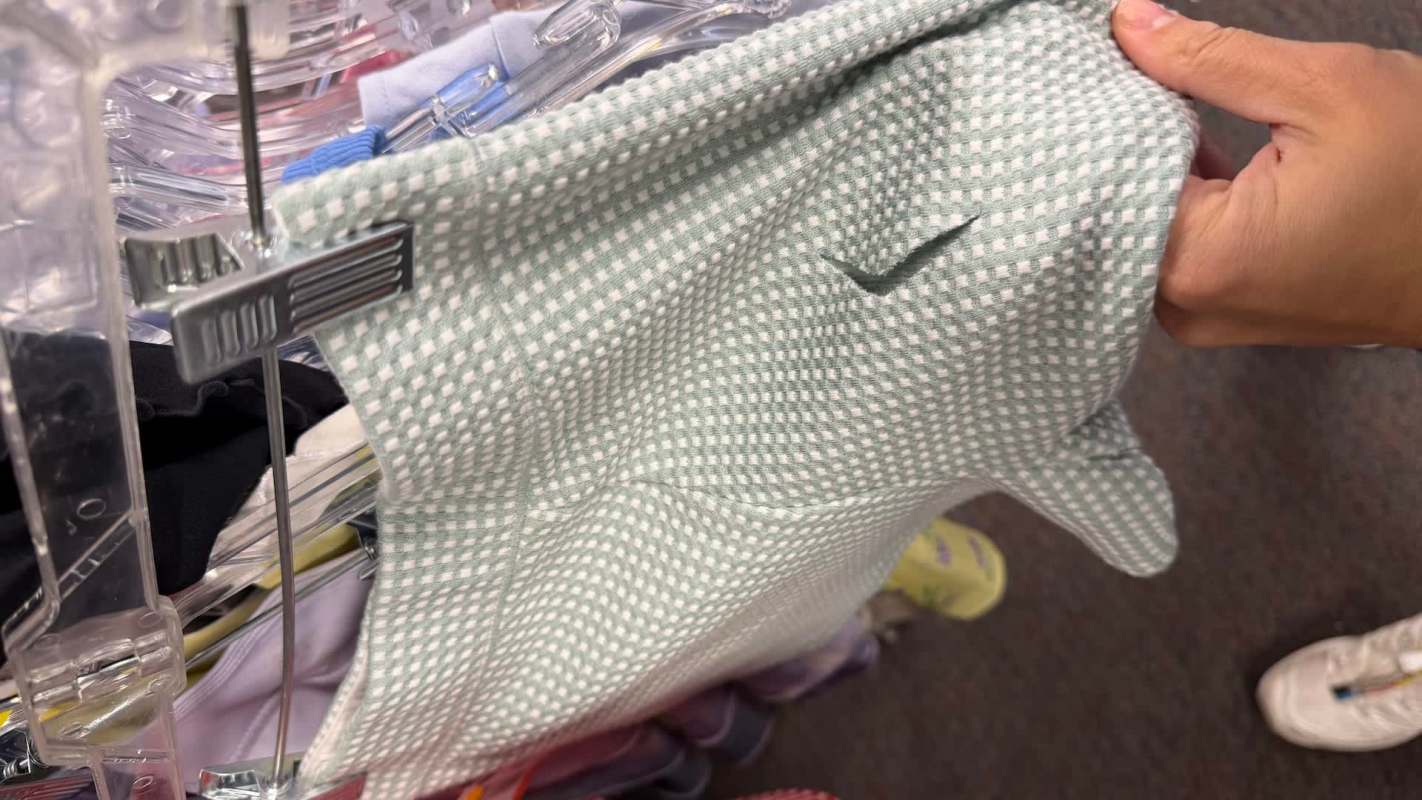
A pile of unworn children's clothes at a Salvation Army sparked outrage after shoppers noticed something alarming.
For frustrated commenters on the r/Anticonsumption subreddit, the Janie and Jack items with holes became a vivid example of how retail waste can follow products long after they leave a store.
Here's what to know
In a Reddit post, the original poster shared images of the damaged merchandise from their local store.
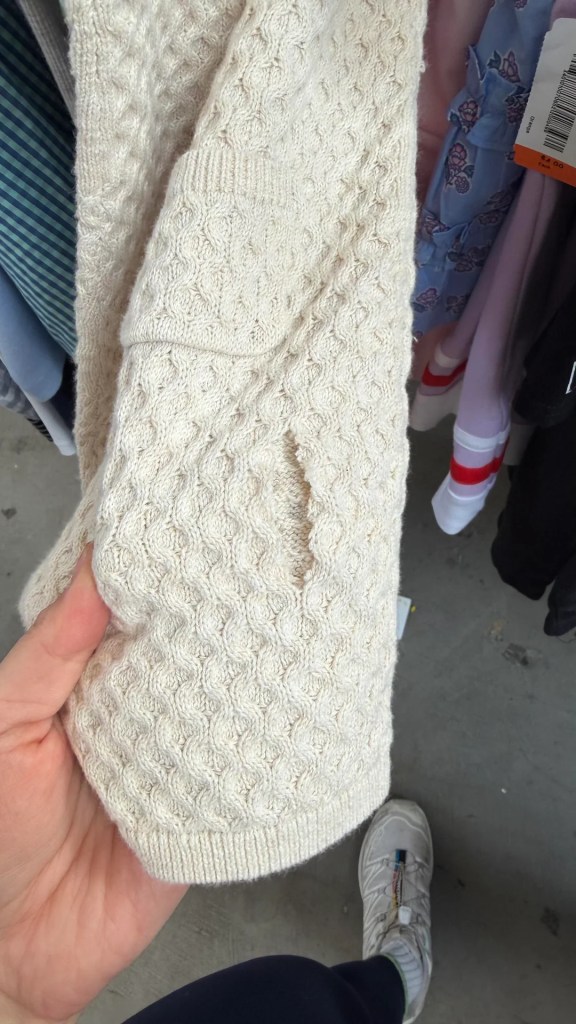
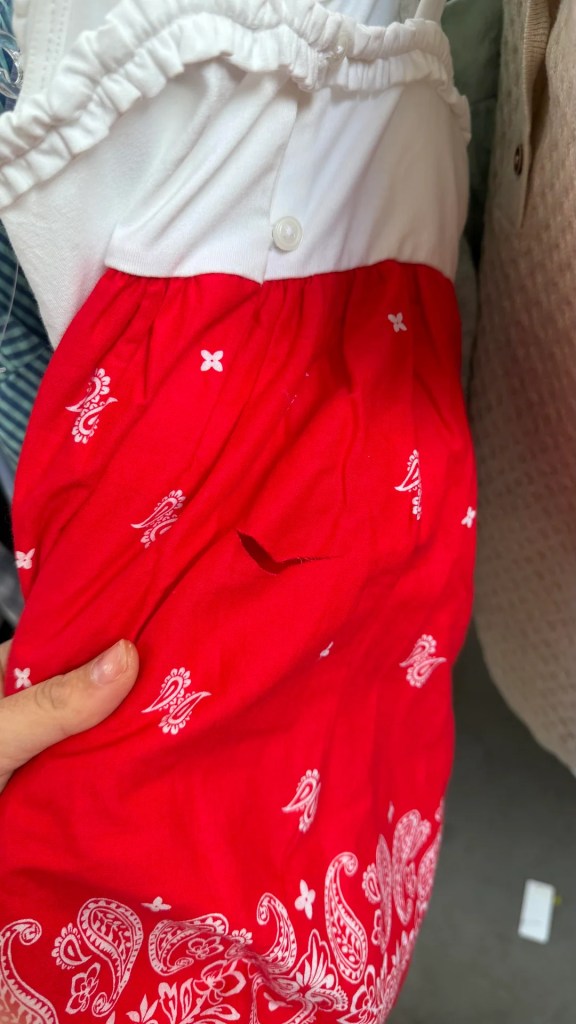
"This Salvation Army had so many unworn Janie and Jack clothes, but they all had holes cut in them," they wrote. "Some of them were obvious and some were taped over so you couldn't tell unless you looked really closely."
What made the find especially upsetting, the poster said, was that the damaged items were children's clothes and could easily be purchased by a parent who never spotted the problem.
"It completely defeats the purpose of donating in the first place - which is especially upsetting because these are children's clothes," they added. "I can't imagine being a parent buying these and not realizing there's a big hole in the back."
TCD Picks » Quince Spotlight
💡These best-sellers from Quince deliver affordable, sustainable luxury for all




More background
Several replies stressed that the thrift store may not have gotten the clothes straight from the retailer. Their theory was that the items were damaged before disposal, then pulled from the trash and donated by someone who did not realize they had been cut.
"When I worked retail and was forced to destroy useable products I would do the bare minimum and aim for seams or places out of view," a commenter wrote. "I hate corporate waste."
Another commenter said their former store handled unsold clothing less destructively, saying they "just had to take a sharpie to the brand tag" to leave the item wearable while still preventing it from being returned through the normal sales system.
Another anecdote in the thread involved beauty inventory headed for the trash until someone connected it with a local nonprofit, reinforcing the point that donation is often possible when workers take the extra step to keep goods out of the landfill.
What can be done?
At the company level, the clearest solution is simple: donate usable inventory before it becomes waste.
Retailers can also mark products in less destructive ways, send excess goods to nonprofit partners, use off-price channels, or route damaged textiles to repair and recycling programs instead of dumpsters.
Tags or taped areas that look unusual can conceal damage on secondhand items. Small cuts do not always mean a garment is beyond saving, though buyers should never be misled about an item's condition.
Repair was a recurring theme in the comments. One person wrote that "these holes seem to usually be small enough that fixing would be easy with a patch or just a few minutes of stitching," and others praised visible mending as a way to keep clothing in use longer.
"Visible mending is a radical act," one enthusiast wrote.
Where can I learn more?
Sadly, secondhand clothing systems sometimes fail the people who rely on them to provide fair prices or a legitimate donation option.
• At another thrift store, a Paw Patrol backpack priced outrageously sparked fresh frustration over secondhand access for families.
• In the U.K., donation shops refused worn-out clothing, leaving residents scrambling for textile recycling options.
• In Kenya, a fashion educator showed the final destination of donated clothes piling up as waste.

Get TCD's free newsletters for easy tips, smart advice, and a chance to earn $5,000 toward home upgrades. To see more stories like this one, change your Google preferences here.






