


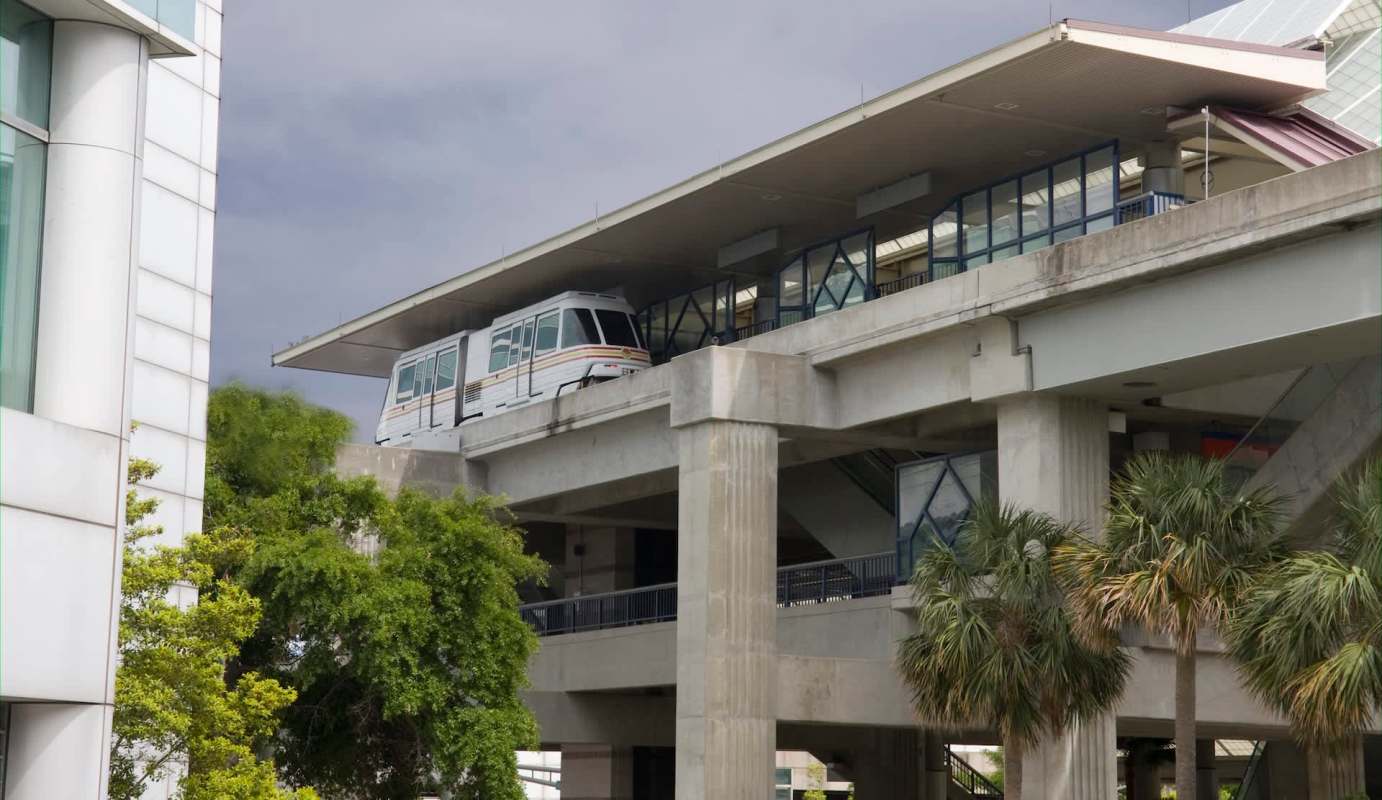
The Jacksonville Transportation Authority is turning to $30 million in local gas-tax revenue to help stabilize its finances after announcing more than 150 layoffs.
The move could affect the bus and shuttle service many residents rely on to get to work, school, medical appointments, and other daily needs, according to WJXT.
Here's what to know
On Sept. 23, the Jacksonville Transportation Authority board approved a plan to use $30 million in previously collected local gas-tax funds for severance costs and loan repayment.
JTA faces a $39 million budget gap and would have 10 years to repay the money.
That approval followed JTA's announcement that it would cut more than 150 jobs — a decision that drew criticism at the board meeting, WJXT reported.
"I'm going to be very vocal about not letting any of my money come to JTA," one Jacksonville resident told the board.
TCD Picks » Quince Spotlight
💡These best-sellers from Quince deliver affordable, sustainable luxury for all




Interim CEO Cleveland Ferguson maintained that the restructuring effort is still underway and is expected to continue through Nov. 1.
"This process is not finished," Ferguson stated. "It will continue through Nov. 1, and we will bring service within available resources."
Ferguson also said JTA is prioritizing safety, dependable service, debt reduction, and financial discipline during the budget crisis.
More background
Former employees urged the board to consider part-time assignments for some workers instead of making more layoffs, according to WJXT.
"They all have issues to solve. They have bills to pay. Nobody is happy about losing their homes or cars because they lost their jobs, so I would beg them to stay part-time," a former employee observed.
Some board members also questioned whether JTA can manage repayment without a clearer explanation of how its finances deteriorated in the first place.
"We have to first know several things: What happened? Why did it happen? And are those problems solved? Where did the holes in the bucket come from?" one board member remarked.
Pressure on the transit system could increase further after the Clay County Board of County Commissioners voted on Sept. 23 to end a funding deal with JTA, which could affect Clay County's community transportation program, a public shuttle bus service.
What's being done?
The agreement is meant to ease immediate financial strain by covering severance and debt obligations, while giving JTA 10 years to repay the funds as leaders work to stabilize operations.
Ferguson has said the restructuring will continue through Nov. 1 and that service will be aligned with the resources on hand. That means residents could continue to see changes as JTA works to balance reliability with a tighter budget.
Ferguson acknowledged the cost directly.
"These decisions carry a real human cost. I recognize the weight of them, and I take responsibility for carrying them out in a way that is disciplined, fair and respectful of the people affected," he commented.
Where can I learn more?
JTA's budget troubles are part of a larger conversation about how transit systems are funded and run. These stories cover rail politics in Florida and transportation funding in Oregon and California.
• In Florida, lawmakers are considering revitalizing the state's high-speed rail with GOP support.
• In Oregon, officials restarted a crucial highway charging program after securing $40 million.
• In California, regulators approved a $1.9 billion transportation plan to expand EV charging.

Get TCD's free newsletters for easy tips, smart advice, and a chance to earn $5,000 toward home upgrades. To see more stories like this one, change your Google preferences here.






