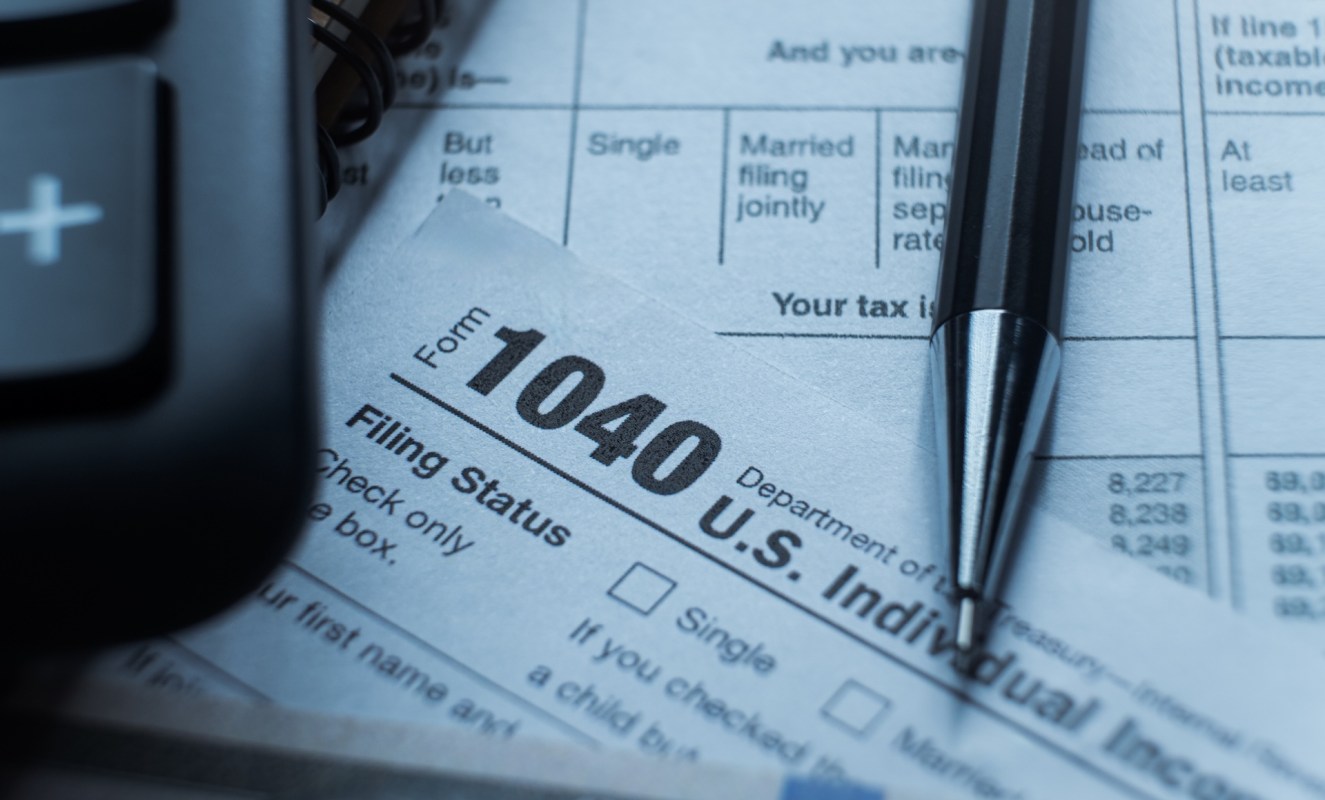
The Internal Revenue Service is warning taxpayers not to fall for bogus promotions for so-called "Tribal Tax Credits" ahead of an Oct. 15 extension deadline.
Federal officials said that the pitch is packaged to sound legitimate and time-sensitive, but the credits do not exist — and claiming them could lead to the proper tax being assessed, along with penalties, interest, and potentially fines or imprisonment.
Here's what to know
According to the Detroit Free Press, the IRS noted that promoters were using names such as "Tribal Tax Credits," "Native American Tax Credits," and "Sovereign Tribal Tax Credits" to market federal credits that do not exist.
"I would describe this as an existing scheme that apparently has become significant enough for the IRS to issue a broader public warning now," said Tom O'Saben, director of tax content and government relations at the National Association of Tax Professionals, per the publication.
"What makes the scheme potentially convincing is that promoters appear to mix pieces of legitimate tax law with something that doesn't exist," he added.
Even if a return is processed or a refund is issued, O'Saben explained that does not mean the credit was valid. Taxpayers who claim these fake credits can still face civil and criminal penalties.
TCD Picks » Quince Spotlight
💡These best-sellers from Quince deliver affordable, sustainable luxury for all




More background
The IRS indicated that promoters may claim a confidential agreement involving the U.S. Treasury Department or tribal governments, or that tribal trust fund payments can somehow be converted into federal tax credits.
"No such agreement exists," the agency bluntly stated.
Scammers may also cite real tax provisions to make the pitch sound more credible. The IRS said some cite transfer rules for certain clean energy credits or invoke Internal Revenue Code Section 45D, which governs the New Markets Tax Credit.
However, the agency affirmed that the program had "no relationship" to these fake Tribal Tax Credits.
The Detroit Free Press reported that during a 2024 anti-fraud push tied to obscure tax credits, some taxpayers received identity-verification notices, and some had to amend returns before they could receive a federal income tax refund.
What can be done?
Before claiming any credit, you or your tax preparer should be able to identify the exact federal law that created it.
"If the credit is legitimate, the promoter should be able to identify the specific Internal Revenue Code provision creating it and explain exactly how the taxpayer qualifies," O'Saben observed.
Warning signs for tax scams include pressure to act quickly, promises of unusually large refunds, claims the offer is available only for a limited time, and requests to sign nondisclosure agreements before providing basic information.
Those are major red flags, not proof that an opportunity is exclusive. If you have already encountered one of these promotions, the IRS said you can report suspected abusive tax schemes using IRS Form 14242 — Report Suspected Abusive Tax Promotions or Preparers.
People with information about tax fraud can also submit a tip at IRS.gov/SubmitATip.

Get TCD's free newsletters for easy tips, smart advice, and a chance to earn $5,000 toward home upgrades. To see more stories like this one, change your Google preferences here.