


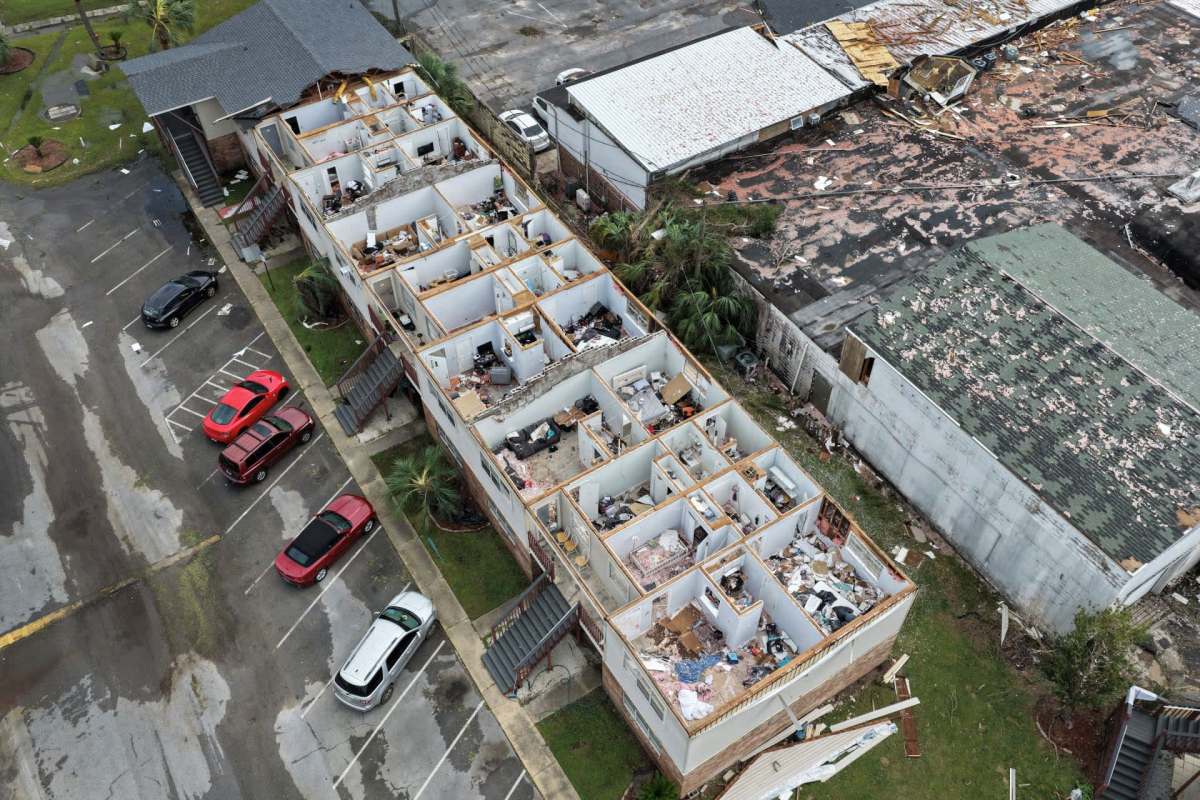
Floridians in 27 counties affected by Hurricane Isaias are getting more time from the Internal Revenue Service, with many federal tax filing and payment deadlines pushed to Feb. 8, 2027.
People and businesses located in FEMA-designated disaster areas are included in the IRS extension, giving those affected by the storm more time to sort out filings and payments during recovery.
Here's what to know
According to WMBB, the IRS relief for Hurricane Isaias, a storm that began on Oct. 9, is limited to Florida counties named in the related federal disaster declaration.
The declaration covers 27 counties statewide, including all counties in the outlet's Panhandle viewing area.
A broad set of federal filings and tax payments that would have been due during the relief window now fall under the new Feb. 8, 2027 deadline. That group includes individual returns and filings for corporations, estates, trusts, partnerships, and S corporations.
Filers who already had a valid extension for their 2025 individual income tax return are included in the postponement, but any 2025 tax payment that was due April 15 is still outside the relief.
TCD Picks » Quince Spotlight
💡These best-sellers from Quince deliver affordable, sustainable luxury for all




Quarterly estimated income tax payments scheduled for Oct. 9 or later are also covered, as are quarterly payroll and excise tax returns otherwise due Nov. 2 and Feb. 1, 2027.
More background
IRS disaster relief can ease immediate financial strain after a major storm by postponing tax paperwork and scheduled payments while people deal with property damage, business interruptions, or displacement.
FEMA's disaster declaration opened the door for the IRS to delay certain time-sensitive filing and payment deadlines in the affected area. That kind of postponement is a standard part of the broader federal response to a major disaster.
Eligibility is not limited to county residents.
The IRS said relief can also apply to people who own businesses in the disaster area, workers affiliated with recognized relief organizations, and some visitors killed or injured by the storm.
A person may live outside a designated county but still qualify through business ownership or recognized disaster work tied to the impacted area.
What's being done?
The IRS is granting a blanket extension to Feb. 8, 2027 for covered taxpayers in the declared Florida disaster zone.
The IRS announcement identifies which return and payment categories are postponed under the declaration.
Employers with payroll or excise tax deposits scheduled between Oct. 9 and Oct. 26 can avoid penalties if those deposits are made by Oct. 26, creating a narrow window for that specific relief.
In practice, the Feb. 8, 2027, deadline can cover extended 2025 individual returns, quarterly estimated payments due on or after Oct. 9, and postponed business filings, but it does not retroactively apply to 2025 tax payments that were due April 15.
Where can I learn more?
Shifts in tax policy can help make recovery efforts less stressful, while charitable organizations also make a huge difference.
• The IRS postponed tax deadlines for 105 million Americans after Hurricane Helene nationwide.
• After Hurricane Idalia, groups like the Red Cross mobilized donations and meals for survivors.

Get TCD's free newsletters for easy tips, smart advice, and a chance to earn $5,000 toward home upgrades. To see more stories like this one, change your Google preferences here.






