


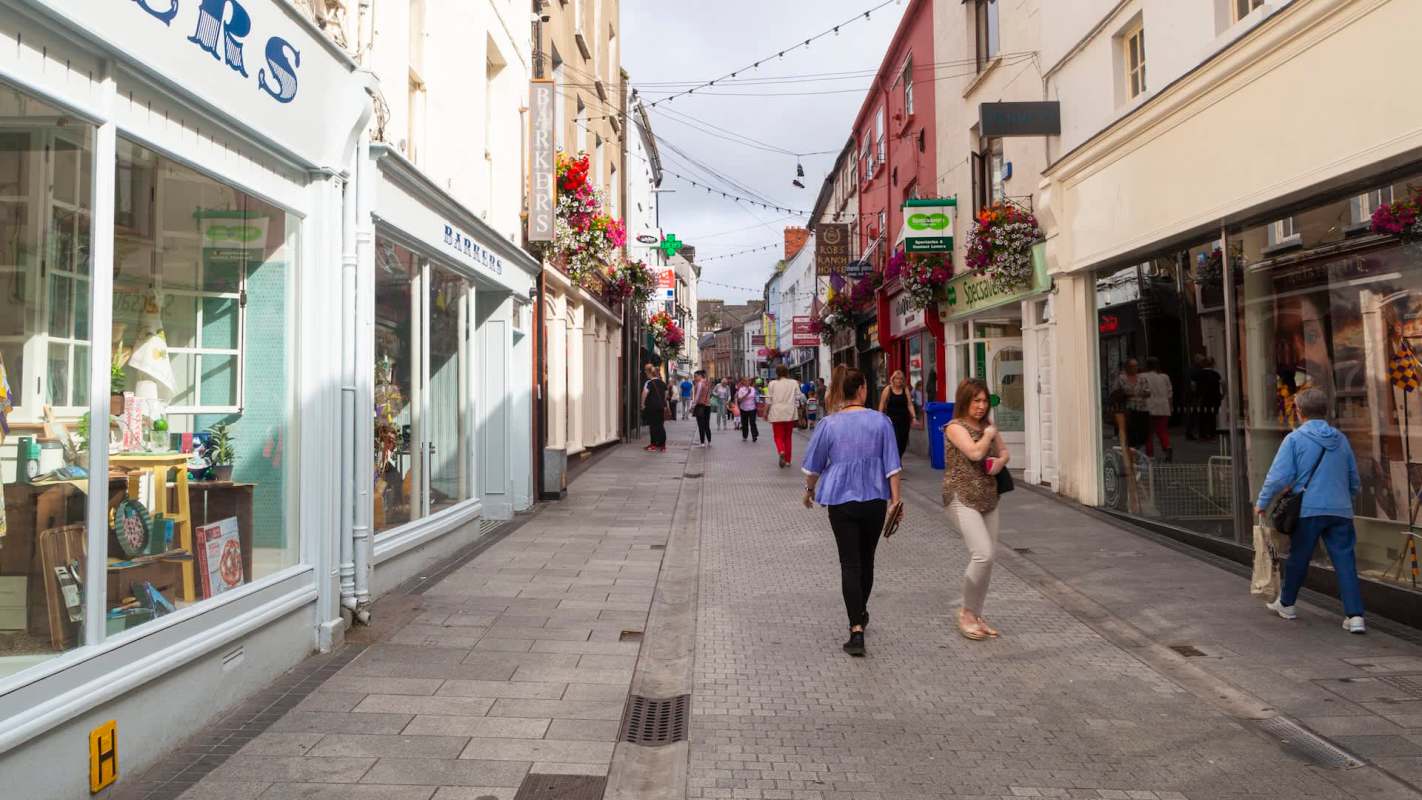
Small indulgences and day-to-day extras still found a place in Irish household spending in May, even as fuel and energy bills stayed high.
Demand for secondhand goods rose sharply, too, hinting that shoppers are increasingly drawn to cheaper options that may generate less waste, according to The Irish Times.
What happened?
Based on 83 million card purchases made by customers in shops and online, Allied Irish Banks said total spending was 2% higher than it was a year earlier.
Cinema was a standout within entertainment, with sales jumping 53%, and May 3 became the year's biggest day for cinema spending, helped by releases including "The Devil Wears Prada 2" and the Michael Jackson biopic.
Entertainment spending rose 6%. Eating out also strengthened, with restaurant spending climbing 10%, while pub and fast food spending increased 5% and 7%.
Elsewhere, the figures showed that transport and energy costs continue to influence spending decisions.
TCD Picks » Quince Spotlight
💡These best-sellers from Quince deliver affordable, sustainable luxury for all




Service station spending rose 8%, and toll spending increased 7%, while airline spending fell 6%.
Consumers also appeared to scale back pricier travel, with cruise line spending down 29% and travel agency spending 3% lower.
The contrast in retail was especially sharp. Spending in clothing stores dropped 9%, but resale platforms and thrift-style outlets such as Vinted posted a 197% increase from a year earlier.
Adrian Moynihan, AIB head of consumer, said the figures point to "a resilience among Irish consumers after the initial impact of rising energy costs impacted spending patterns the previous month."
Why does it matter?
Rather than cutting spending, many people appear to be making more selective choices.
A meal out, a trip to the cinema, or a secondhand bargain may be more manageable than overseas travel or buying new clothing at full price.
Thrifting can help shoppers save money on everyday purchases, from clothing to home goods, while still offering the chance to find high-quality or distinctive items at steep discounts.
There is also an environmental benefit to this shift. When consumers buy used goods instead of new ones, more products stay in circulation, and fewer raw materials and resources are needed to make replacements.
The fashion industry, in particular, carries a heavy burden from overproduction and textile waste.
Fuel spending remained elevated, while electric vehicle charging was up 74%, suggesting that consumers are changing how they get around even as transportation costs remain under pressure.
What can I do?
Thrift stores, resale apps, and community exchange networks can reduce the cost of clothing, furniture, kitchenware, children's items, and other basics without requiring a major lifestyle change.
Thrifting is not only about saving money. For many households, that mix of affordability and surprise is part of what makes secondhand shopping so appealing.
Choosing a used item over a new one, opting for a local night out instead of a costly trip, or cutting back on fuel use can protect a household budget.

Get TCD's free newsletters for easy tips, smart advice, and a chance to earn $5,000 toward home upgrades. To see more stories like this one, change your Google preferences here.






