


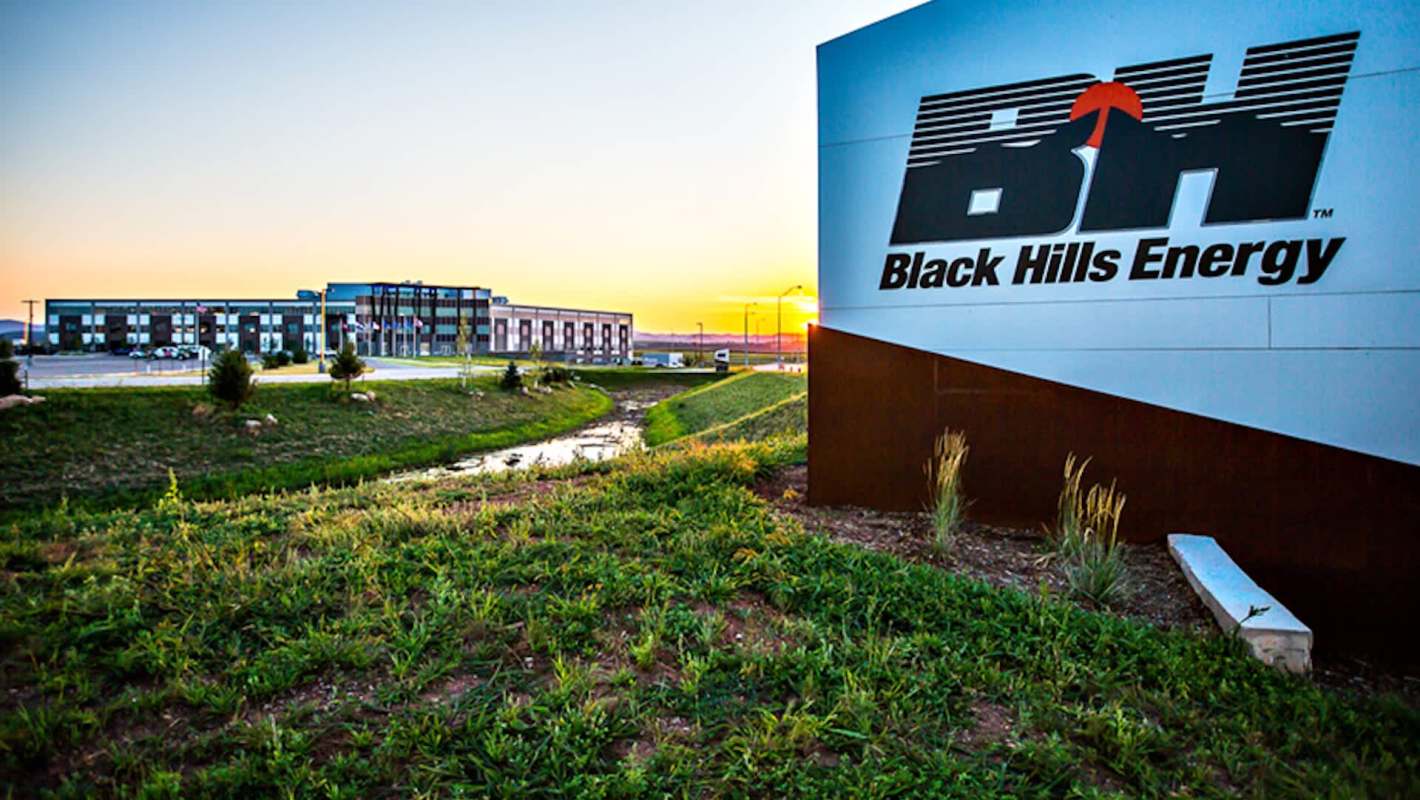
Black Hills Energy could face penalties or other mandated fixes in Iowa after regulators found the utility stood apart from its peers for both the number of probable safety violations on its gas system and the time it took to resolve them.
What started as a routine inspection grew into a wider state review when auditors encountered an unusually large cluster of problems, according to Iowa Capital Dispatch.
Here's what to know
A June 2025 inspection of the Spencer Unit in northwest Iowa first drew the Iowa Utilities Commission's attention. Inspectors counted more than 100 safety issues in 16 categories.
Officials said none of those findings posed an immediate danger to the public, but the number of them led regulators to look statewide at the company.
That wider review deepened the commission's unease. Figures presented by regulators showed that from 2023 through 2025, Black Hills accumulated roughly the same number of probable violations as MidAmerican even though Black Hills operates just under 3,000 miles of Iowa main pipe and MidAmerican has more than 11,000 miles.
The contrast remained stark on a normalized basis: per 1,000 service lines, the utility's probable-violation rate was almost triple that of MidAmerican and Interstate Power and Light. It also took Black Hills an average of 132 days to close issues, versus about 30 days for those two utilities.
TCD Picks » Quince Spotlight
💡These best-sellers from Quince deliver affordable, sustainable luxury for all




Pete Hamell, general manager for Black Hills Energy Iowa Gas, conceded the totals were high, while arguing that the "nature of the observations really isn't alarming."
More background
The company has maintained that most of the cited problems involved compliance, paperwork, maintenance, corrosion prevention and facility conditions rather than active leaks or other immediate hazards. In a July 29 filing, Black Hills said civil penalties were "not warranted" and argued that ongoing corrective work would do more good.
Even so, commissioners seemed particularly troubled by the difference between Black Hills' faster repairs in Spencer and its slower pace elsewhere in Iowa. They also questioned the company about staffing and about disputes over whether inspectors had identified corrosion or merely oxidation.
What's being done?
Commissioners are considering hearing testimony and written filings as they decide whether to impose penalties, order corrective measures, or do both. They had already postponed a final decision on sanctions to review compliance issues across its other Iowa operations.
Black Hills has pointed to what it calls a "structured continuous improvement approach." Hamell said some fixes take longer because they require engineering work and permits, and the company's filing acknowledged that closure times "needed improvement" even as it argued the "current trend demonstrates meaningful progress in that regard."
Pollution from coal- and gas-burning power plants has been tied to asthma, heart problems, cancer, and early death, and communities that rely on those fuels tend to pay more for energy than they would with sources like sunlight and wind. Industry lobbying has slowed that shift.
As the case proceeds, Black Hills says it will keep working with the state. As Black Hills vice president overseeing Iowa and Nebraska gas operations Kevin Jarosz told commissioners, "We firmly commit safety to our employees, our customers, and communities that we serve, and we also commit to a strong compliance program, investment in our infrastructure, and continuously improving where we need to.
"We also commit to continue to work collaboratively with the commission to ensure that safe operations continue, and we will continue to provide safe, reliable service to our customers, like we have for decades and into the future."
Where can I learn more?
Black Hills' Iowa case is about gas-system oversight, but it connects to a larger story about fuel spending, pollution concerns, and the costs utilities pass along to customers.
• Across energy markets, fossil fuels are taking center stage as favored investments.
• Commercial leaf blowers can create as much smog-forming pollution as 1,100 miles of driving.
• In West Virginia, aging coal plants have driven up costs for ratepayers for decades.
• Nationwide, wind and solar have produced more electricity than coal.
• Across the U.S., utilities are spending hundreds of millions to keep old coal plants running.
Seen alongside the Iowa case, these articles show how utility decisions can shape safety, air quality, and household costs.

Get TCD's free newsletters for easy tips, smart advice, and a chance to earn $5,000 toward home upgrades. To see more stories like this one, change your Google preferences here.






