


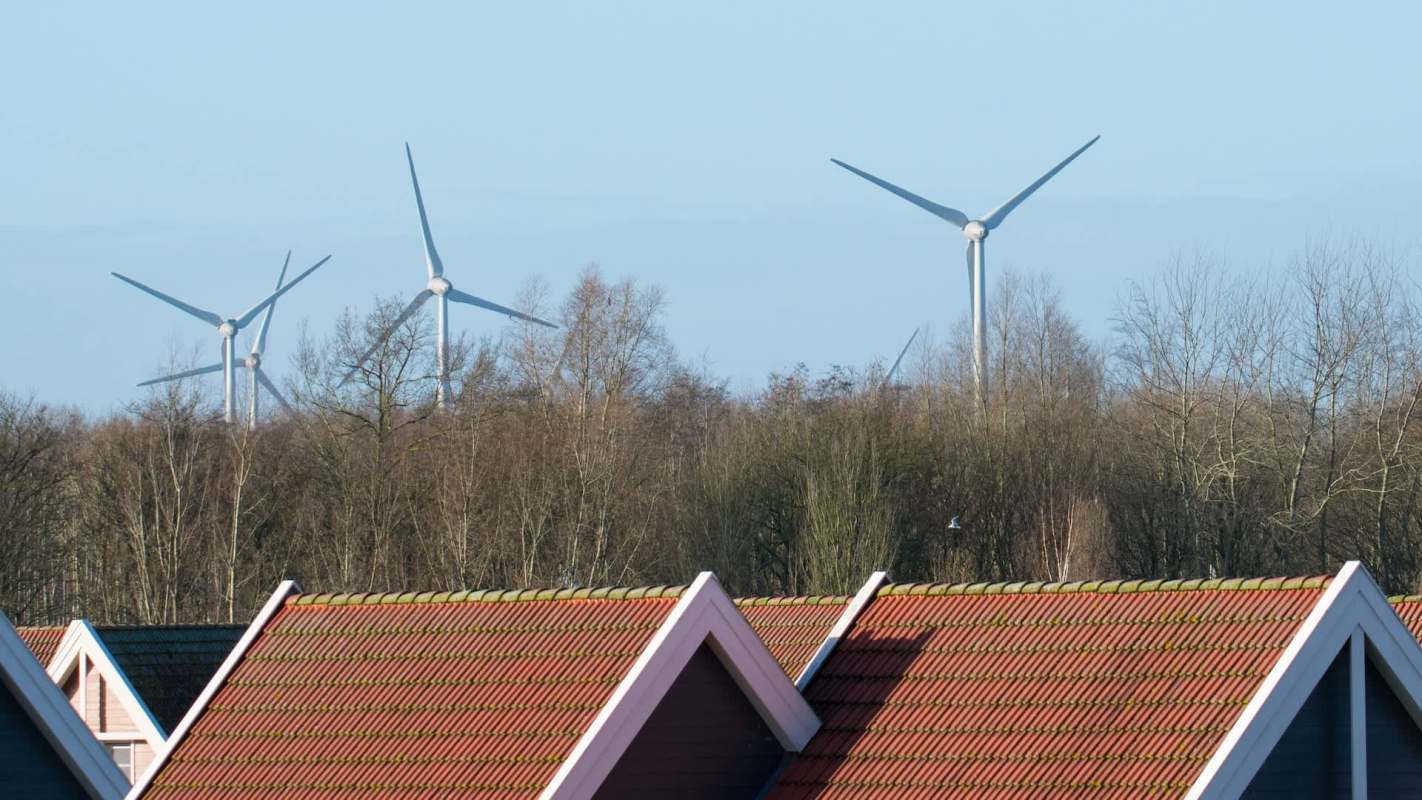
Research from Indiana pushes back on a common claim that homes near large renewable energy developments will be worth less.
According to a brief from Ball State's Center for Business and Economic Research, houses located near major wind and utility-scale solar projects in Indiana did not experience a statistically significant decline in value.
Here's what to know
As Tech Xplore reported, researchers found no statistically significant decrease in residential property values for homes near large wind or utility-scale solar projects in Indiana.
Using home sales records from 2004 through 2024, the researchers examined transactions before and after projects began operating and compared sale prices at multiple distances from those developments.
In the wind portion of the research, the team reviewed residential sales near commercial turbines in three regions of Indiana and found no statistically measurable drop in nearby home prices. The solar portion reached the same overall result, including when projects were grouped by size, rural versus urban location, proximity to brownfields, and power provider type.
When counties take up renewable energy zoning fights, possible effects on property values often become a key point of dispute.
Dr. Dagney Faulk, director of research at CBER, said the data could help inform those discussions.
"This research provides Indiana-specific data on an issue that often arises when communities are considering renewable-energy projects," Faulk said. "Property values are understandably an important consideration for homeowners and local officials. Our analysis allows those discussions to be informed by what we have observed in housing markets around existing wind and solar developments across the state."
Save $10,000 on solar panels without even sharing your phone number Want to go solar but not sure who to trust? EnergySage has your back with free and transparent quotes from fully vetted providers that can help you save as much as $10k on installation. To get started, just answer a few questions about your home — no phone number required. Within a day or two, EnergySage will email you the best local options for your needs, and their expert advisers can help you compare quotes and pick a winner. |

More background
Instead of relying on assumptions, the study focused on real home-sale patterns in places where wind and solar developments had already been built and were operating.
"The advantage of looking at many years of actual home-sale data is that we can examine what happened in communities before and after these projects were developed," Niekamp said.
Wind and solar projects can help expand electricity supply without the planet-warming pollution associated with non-renewable energy sources, and solar in particular can support lower energy costs over time.
Going solar is also one of the best ways to save money on home energy, and homeowners can explore EnergySage to get free installation estimates and compare quotes.
More From EnergySage
💡Go deep on the latest news and trends shaping the residential solar landscape

Tech Xplore also noted that the team used event studies to follow housing prices over time, and those results likewise showed no sustained drop after nearby wind or solar facilities began service.
On Sept. 16, Faulk and Dr. Paul Niekamp, assistant professor of economics in Ball State's Miller College of Business, are scheduled to discuss the findings in a webinar hosted by Purdue Extension and the state's chapter of the American Planning Association.
The public can join the Zoom webinar for free, but registration is required.
What can be done?
For people considering rooftop solar themselves, free comparison tools can make a major difference. EnergySage's solar map shows the average cost of a home solar panel system on a state-by-state level, along with details on solar panel incentives for each state. Together, these resources can help get the best price for rooftop solar panels and access available incentives.
Adding battery storage to a solar setup is also one of the best ways to protect your home during outages, save money on energy, and rely less heavily on the grid. Homeowners can explore EnergySage for information about home battery storage options, including competitive installation estimates.
EnergySage's free services can be especially valuable for anyone trying to make sense of costs before committing to a project.
Where can I learn more?
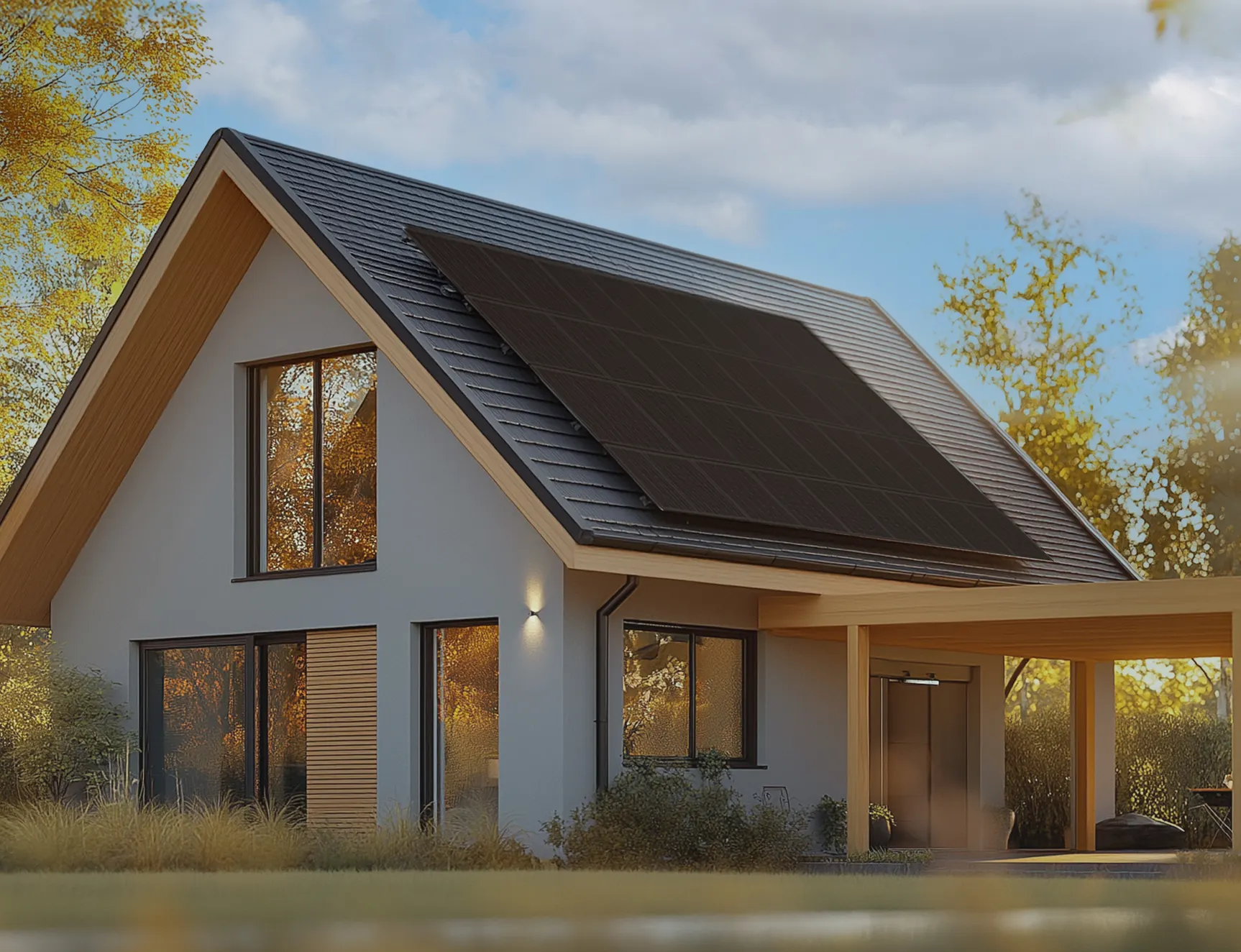
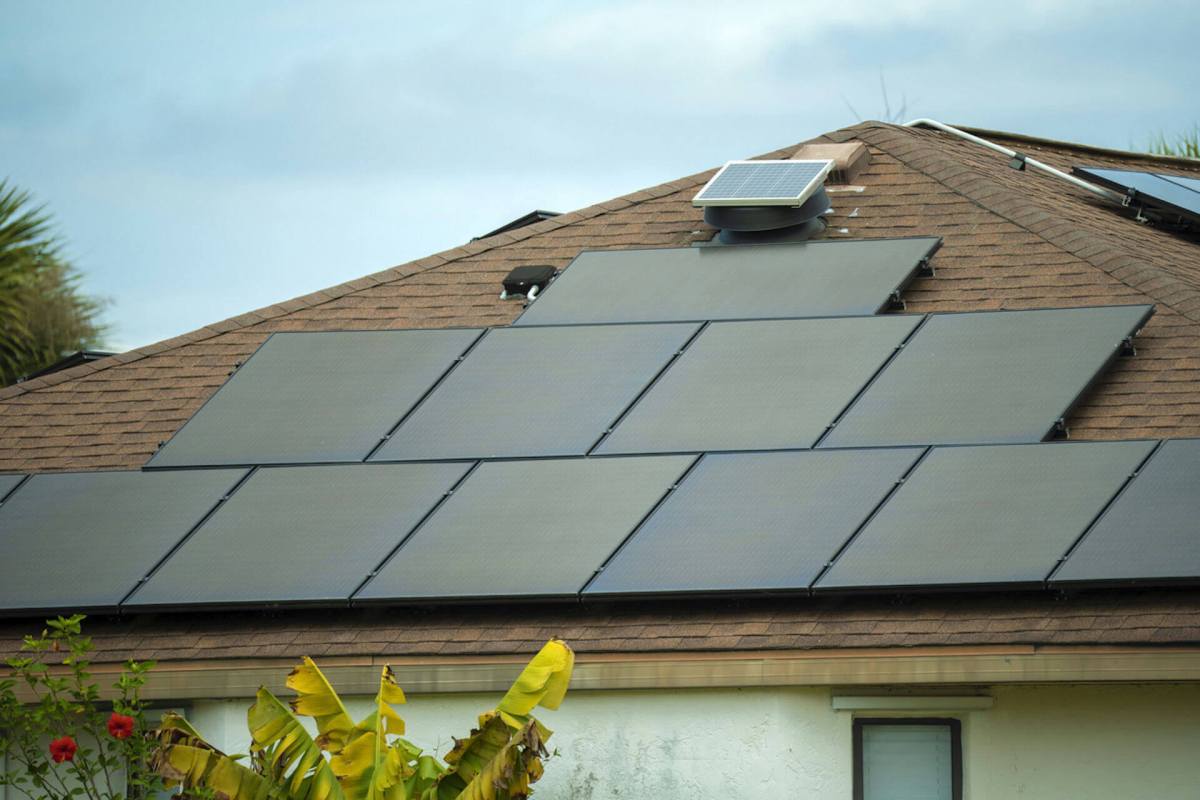
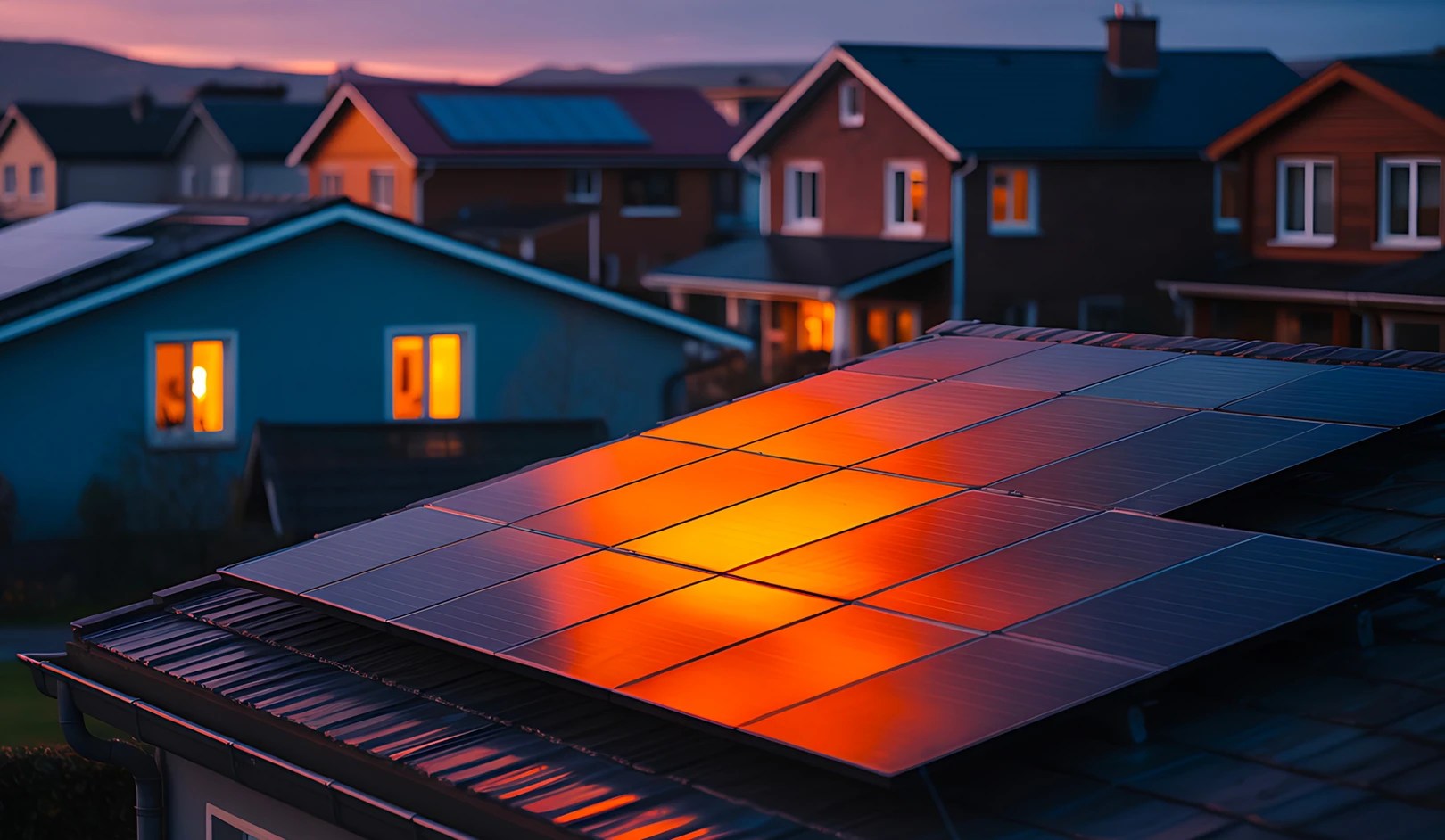
Indiana's findings speak to concerns about nearby utility-scale wind and solar projects, but plenty of homeowners have a related question: What happens when the panels are on their own roof? These articles explore how rooftop solar can shape resale value, buyer interest, and pricing expectations from a few different angles.
• Zillow data suggest homes with solar panels sell more quickly and can draw buyer interest.
• Homeowners say solar can help resale when buyers value lower power bills.
• Energy experts say home solar may lift value, especially in markets seeking efficiency.
The coverage points to a more complicated picture than the usual talking points around clean-energy projects. It also helps distinguish worries about nearby utility-scale developments from the market effects of adding solar to your own home.

Get TCD's free newsletters for easy tips, smart advice, and a chance to earn $5,000 toward home upgrades. To see more stories like this one, change your Google preferences here.






