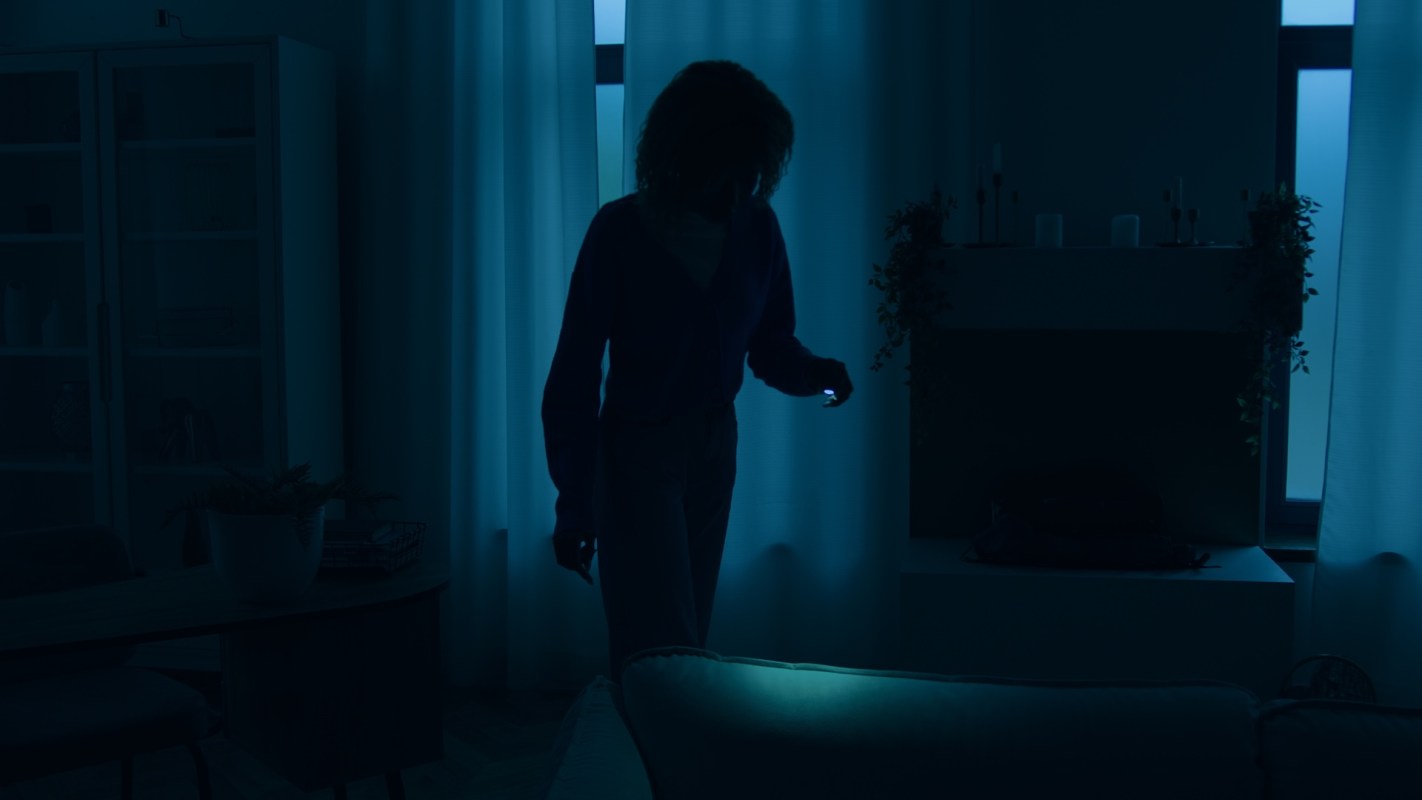
Illinois residents paid billions of dollars through ComEd bills to strengthen the power grid against severe weather, but major outages have continued.
Storms this year still knocked out electricity to 2.4 million homes in the utility's service area, with some residents waiting days for service to return. For families trying to save groceries, power medical devices, or simply keep the lights on, the gap between rising bills and unreliable service is hard to ignore.
Here's what to know
Because it is a regulated utility, ComEd has to obtain state approval before collecting more than $15 billion in future rate increases for storm preparation and rising electricity demand, the Chicago Sun-Times reported. That request comes on top of an already approved $4.4 billion grid-improvement plan.
ComEd argues that its spending has helped. Dale Player, the utility's vice president of engineering and smart grid, said those upgrades prevented about 2.7 million additional outages in 2026.
Part of that work involved installing more than 10,000 automated devices that can spot disruptions, isolate trouble areas, and restore power faster.
Even so, widespread outages have continued for customers. ComEd said Chicago had 336,000 outages in 2026, with most of them on the South Side and Southwest Side, according to the newspaper.
TCD Picks » Quince Spotlight
💡These best-sellers from Quince deliver affordable, sustainable luxury for all




In Englewood, a June storm brought down thousands of trees and left more than 900 customers without electricity for three or four days.
More background
After a storm with Category 2 hurricane-like force, nearby residents of Gary, Indiana, were left without power for two weeks. In a lawsuit, residents alleged Northern Indiana Public Service Co. failed to do enough before the storms to protect lines and poles from tree damage, though NIPSCO disputes that, the Sun-Times explained.
Sarah Moskowitz, executive director of the Citizens Utility Board, said utilities should balance maintenance and affordability instead of letting profit concerns determine those decisions.
The impacts also tend to hit hardest in households with the least room to absorb added costs.
South Deering resident Renee Rudder told the Sun-Times that she was without power for a day and a half in July and noted another outage caused about $400 in groceries to spoil.
An analysis completed by Sophie Thuis, Midwest regional director for the nonprofit Carbon League, identified Roseland, South Deering, Washington Park, and North Lawndale as vulnerable because of aging equipment.
What's being done?
ComEd says planning for severe weather has become central to its operations.
The company employs its own meteorologist and is working with Argonne National Laboratory to examine how the changing climate could affect the grid in Northern Illinois.
It also says it has concentrated on some of its most vulnerable areas before major storms. ComEd says its goal is to restore power within 12 to 24 hours after the worst storms, though extensive damage can make that take much longer, per the paper.
Grid reliability has also become a priority for regulators at the Illinois Commerce Commission, while local officials are pressing for oversight.
Ald. Matt Martin said Chicago should seek a new agreement with ComEd that sets clearer accountability standards since the city's previous franchise agreement expired at the end of 2020 and was never renegotiated.
"Gary should be a warning to all utilities — in Illinois and across the nation. It's their duty to cost-effectively maintain the system and preserve affordability," Moskowitz told the Sun-Times. "If that duty takes a backseat to their profit margin, they risk disaster."
Where can I learn more?
Grid failures, rising energy costs, and disparities in backup power access present ongoing challenges for communities and energy providers everywhere. Policy choices and solar industry practices often shape what people can do during an outage.
• Palmetto said solar subscriptions cut bills for households facing high electricity costs.
• EnergySage said interconnected factors shape solar prices for homeowners weighing backup options.
As power outages become more frequent, families are left to navigate the consequences. Having reliable backup solutions, transparent regulations, and clear pricing structures is essential when dealing with a vulnerable power grid.

Get TCD's free newsletters for easy tips, smart advice, and a chance to earn $5,000 toward home upgrades. To see more stories like this one, change your Google preferences here.