


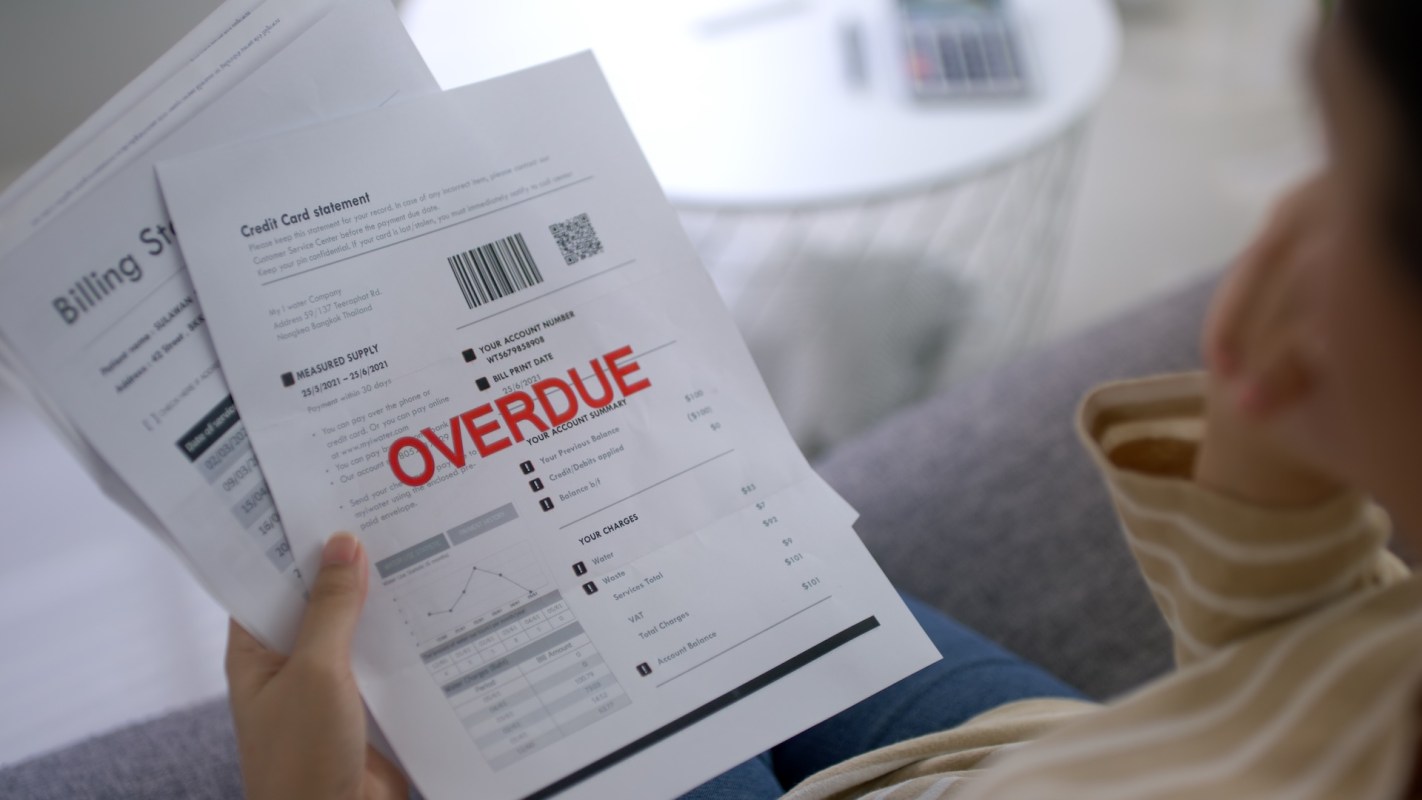
Cheap places to live are not always cheap places to carry debt. A new analysis found that residents of Idaho and Utah have seen their average debt loads more than double from 2015 to 2025.
Here's what to know
According to Nexstar, a MoneyLion study found Idaho's average debt rose 106% from 2015 to 2025, while Utah's increased 104%. The review included things that are often labeled "good debt," such as mortgages, and "bad debt," such as credit card balances, along with student and auto loans.
Texas ranked third for debt growth at 93%, followed by Nevada at 91% and Florida at 88%. South Carolina, Arizona, Tennessee, Colorado, and North Carolina rounded out the top 10.
According to Nexstar, Nevada posted the largest increase in credit card debt, with balances climbing from about $6 billion in 2015 to more than $14 billion by 2025. Because interest rates on credit cards are usually high, that kind of borrowing is often among the most expensive.
Idaho's gains were concentrated in mortgage, auto, and credit card debt, while student loan growth was much smaller at about 26%.
More background
Some forms of borrowing pose more risk than others. Mortgages are often seen as less harmful than credit card debt because they are tied to homes, assets generally expected to gain value over time. Even so, rising mortgage balances can still strain household budgets, especially when home prices and interest rates are elevated.
TCD Picks » Quince Spotlight
💡These best-sellers from Quince deliver affordable, sustainable luxury for all




Mortgage debt increased the most in Idaho, Utah, and Texas. Those same states have drawn more residents, and that population growth can push debt totals higher even in places often seen as relatively affordable.
The Federal Reserve bumped up its benchmark interest rate by 0.25% in September, putting the target range at 3.75% to 4.00%.
That can hit consumers financing major purchases such as homes, cars, or appliances, while also raising monthly costs for anyone already carrying credit card balances. Debt-service payments for U.S. households are still fairly low overall relative to after-tax income, though that burden could grow if rates stay high.
Where can I learn more?
Rising debt can be even harder to manage when other bills are climbing too. These stories cover utility debt, grocery borrowing, regional financial strain, electricity price spikes, and homeowner insurance disruptions.
• Across the U.S., mounting utility debt is squeezing family budgets as energy prices soar.
• Borrowing for groceries and missing payments are draining household savings.
• In Oregon, growing financial strain is deepening worries about inequality and rising costs.
• Federal data show skyrocketing energy prices are hitting some states harder.
• For U.S. homeowners, canceled insurance coverage can quickly turn climate risks into debt.

Get TCD's free newsletters for easy tips, smart advice, and a chance to earn $5,000 toward home upgrades. To see more stories like this one, change your Google preferences here.






