


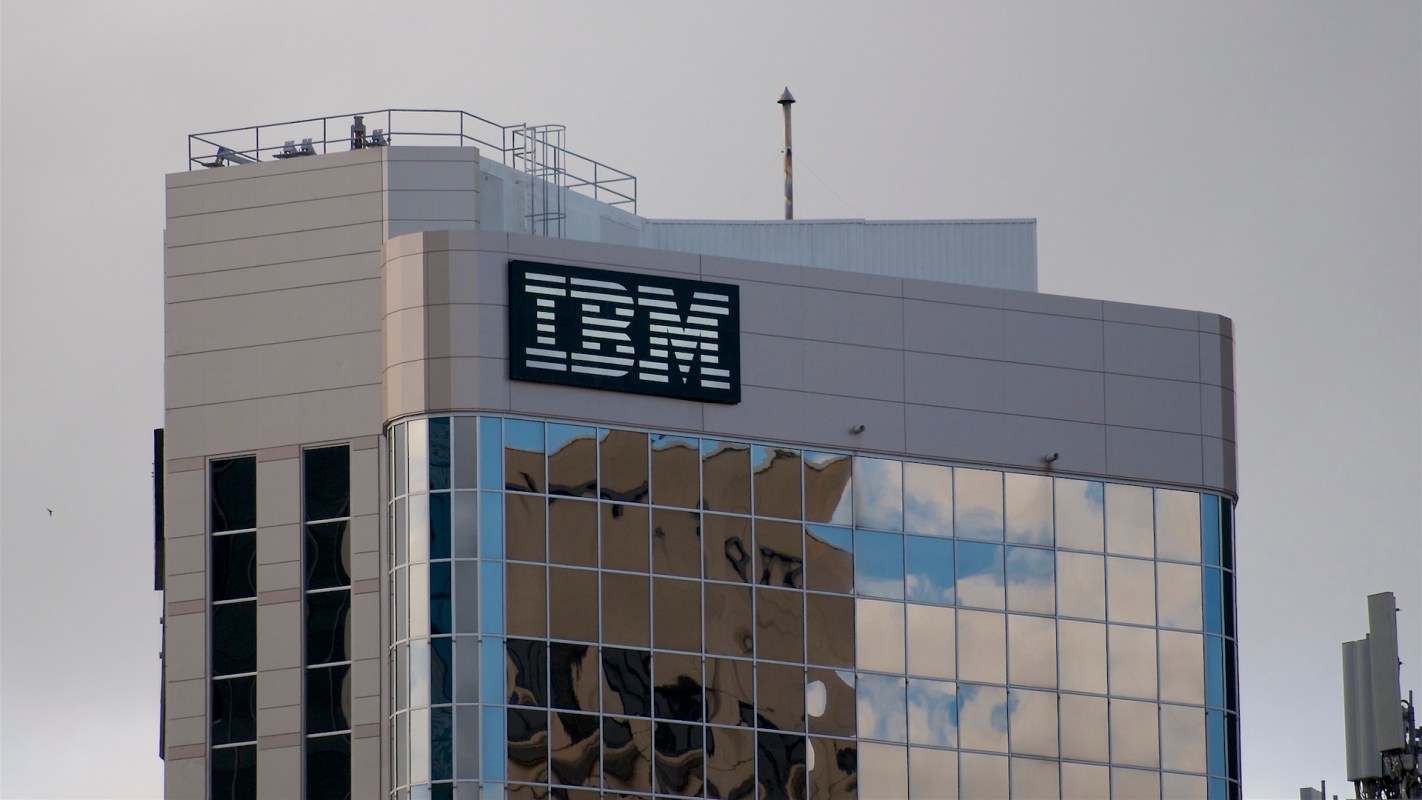
A proposed $2.5 billion IBM quantum-computing facility in Poughkeepsie, New York, could help shape the region's economic future — but first, the Dutchess County Industrial Development Agency Board must decide how much the company should contribute to that future in taxes.
Here's what to know
For the planned quantum-computing project on IBM's Poughkeepsie campus, the company is seeking two forms of tax assistance, according to the Mid Hudson News: a 30-year payment in lieu of taxes agreement from the Dutchess County Industrial Development Agency Board and sales-tax relief on construction materials.
The project was first brought before the board in July, but officials made no decision because they were waiting for a feasibility study.
Residents would still have a chance to weigh in before anything becomes final. If the agency board first adopts a preliminary resolution on the incentives, the next steps would be a public hearing followed by a formal vote on the proposal.
The IBM request is not the only item on the board's agenda. The same agenda also calls for consideration of an authorizing resolution for the $83 million O'Neill multi-family project on Route 9G in Hyde Park.
More background
PILOT agreements are often framed as tools to attract or retain major investment, especially for expensive, high-profile projects such as advanced computing facilities. Supporters generally argue that tax incentives can help secure jobs, construction activity, and business growth that might not happen otherwise.
TCD Picks » Quince Spotlight
💡These best-sellers from Quince deliver affordable, sustainable luxury for all




Still, the tradeoff becomes especially significant when a project is valued at $2.5 billion, and the tax arrangement would last 30 years. A lower tax contribution from one major property can reshape the county and school tax base on which other Dutchess County property owners' tax bills are calculated.
The issue is not just whether IBM expands in the county, but whether other property owners could end up carrying more of the long-term burden if a massive development pays less than it otherwise would.
What's being done?
The proposal is moving through the local approval process designed to review exactly these kinds of tradeoffs. The feasibility study requirement suggests the agency is weighing whether the tax incentives are justified before moving the request forward.
The public hearing is another part of that process. It gives residents and other community members a formal opportunity to speak about whether the project's promises outweigh the possible effect on the county and school tax base over three decades.
Once a long-term PILOT is approved, the financial consequences can last for a generation. Decisions made around one development can also shape how future projects are negotiated and how fairly costs and benefits are distributed across a community.
IBM's proposal could mark a major investment in New York's quantum future. But for many Dutchess County residents, the biggest question may be whether a project this large will strengthen the community's finances or leave everyone else to make up the difference.
Where can I learn more?
IBM's Poughkeepsie proposal touches more than one issue at once, from public subsidies to the energy demands of large-scale computing. These stories add context on how major tech investments are being scrutinized for both their economic promise and the choices that come with them.
• In New Jersey, lawmakers are pushing to strip tax breaks from a contested $1.8 billion AI data center.
• In the United Kingdom, IBM is using renewable solar power to help run its Hursley data-center operations.
• IBM has made a head-turning decision on AI models as it reworks its broader sustainability strategy.
They also put the Dutchess County debate in a broader context. Officials are weighing the same question other communities face with big tech projects: how much public support makes sense, and who ultimately absorbs the costs.

Get TCD's free newsletters for easy tips, smart advice, and a chance to earn $5,000 toward home upgrades. To see more stories like this one, change your Google preferences here.






