


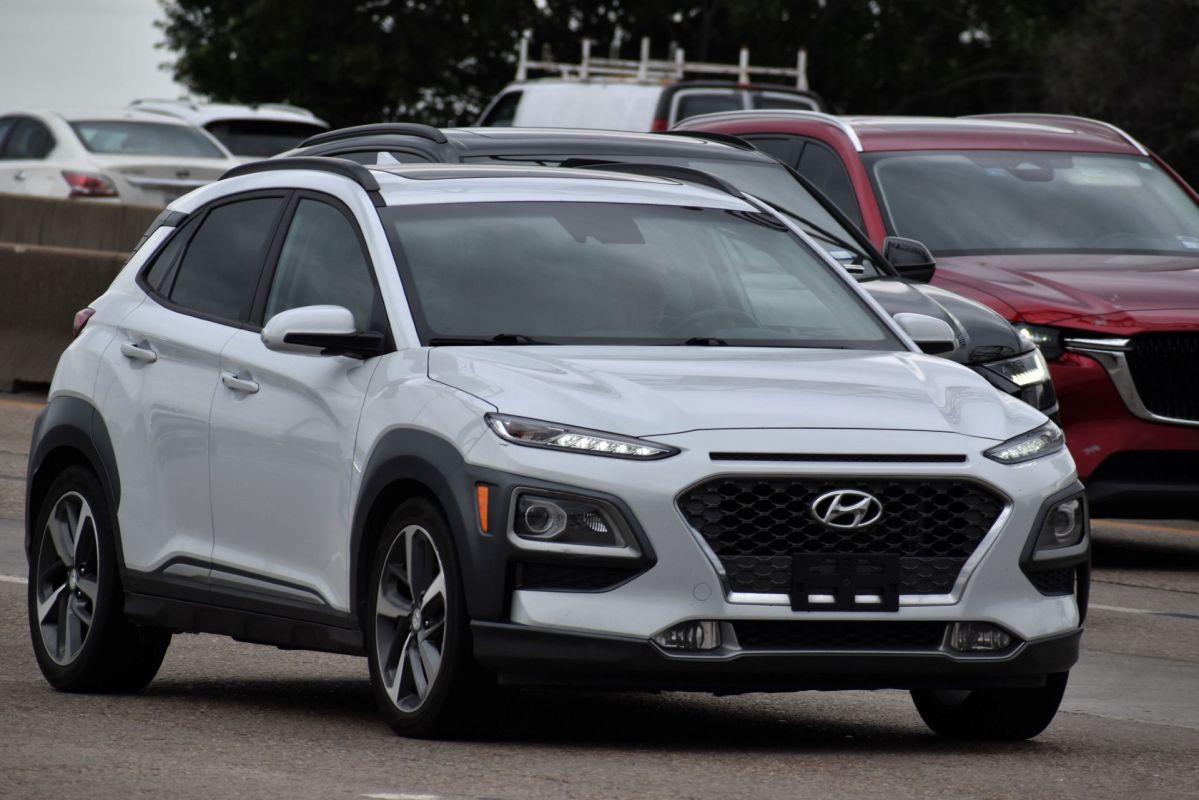
On Reddit's r/PersonalFinanceCanada, a driver with roughly two years of experience asked whether it made more sense to keep financing a 2024 Hyundai Kona or switch to a used car costing about $10,000. While the driver would save about $700 per month with the cheaper used car, their friends warned them that costly repairs would eat up the difference.
Here's what to know
At the time of the Reddit post, the original poster was driving a 2024 Hyundai Kona AWD purchased in February 2025 for about $31,000. The poster said the car was worth about $25,000, close to the remaining loan balance. The car had about 32,300 miles (52,000 kilometers) on it, and the financing carried a 6.89% interest rate. The original loan term was 84 months, with 60 months still remaining.
For a replacement, the driver was considering an older, smaller car that they estimated they could buy with roughly $10,000 in cash. Insurance on that kind of vehicle was quoted at about $250 a month without collision or comprehensive coverage, about half the $500 per month the OP said they were paying for insurance on the 2024 Hyundai.
"I live alone and don't need anything fancy," the OP said. "I'd rather put more money into my long-term index ETF investments."
What commenters said
Most commenters commended the OP for being financially responsible and advised them to look more closely at the total cost of ownership in each scenario.
"How long do you plan to keep the car?" asked one user, pointing out that one option might be cheaper now but more expensive in the long run. "Base things on total cost of ownership and then convert that to cost per year," they recommended.
TCD Picks » Quince Spotlight
💡These best-sellers from Quince deliver affordable, sustainable luxury for all




Before gas and maintenance, the combined cost of the 2024 Hyundai loan and insurance was $959 a month. The driver said that payment was affordable, but a recurring expense at that level can still eat into longer-term savings plans.
Some replies also questioned whether $10,000 was a realistic budget for a dependable replacement.
"Depending where you are, $10,000 might not get you something reliable and/or in great condition in the current used car market," cautioned one Redditor.
However, others pointed out that OP's 2024 Hyundai might also need repairs over time, with users sharing mixed experiences with the brand.
Pushing back on criticism of the brand, a commenter responded, "People love to trash Hyundai, but I've owned 4 with no issues and my current commuter is a 2014 Accent with 312,000 km [194,000 miles] and 0 serious problems."
Where can I learn more?
For a closer look at similar questions, these stories break down what car ownership really costs. They also cover insurance premiums, Hyundai pricing, and the shrinking supply of basic budget cars.
• Across the U.S., drivers have learned that the full cost of ownership can outweigh the sticker price.
• Some EV owners in the U.S. have seen more affordable insurance rates than expected.
• Hyundai offered up to $10,000 off some EVs as price competition intensifies.
• A 2010 Toyota Yaris showed how cheap, small cars once served budget-focused drivers.
• Hyundai's IONIQ 5 started at $35,000 after earning family-car recognition.

Get TCD's free newsletters for easy tips, smart advice, and a chance to earn $5,000 toward home upgrades. To see more stories like this one, change your Google preferences here.






