


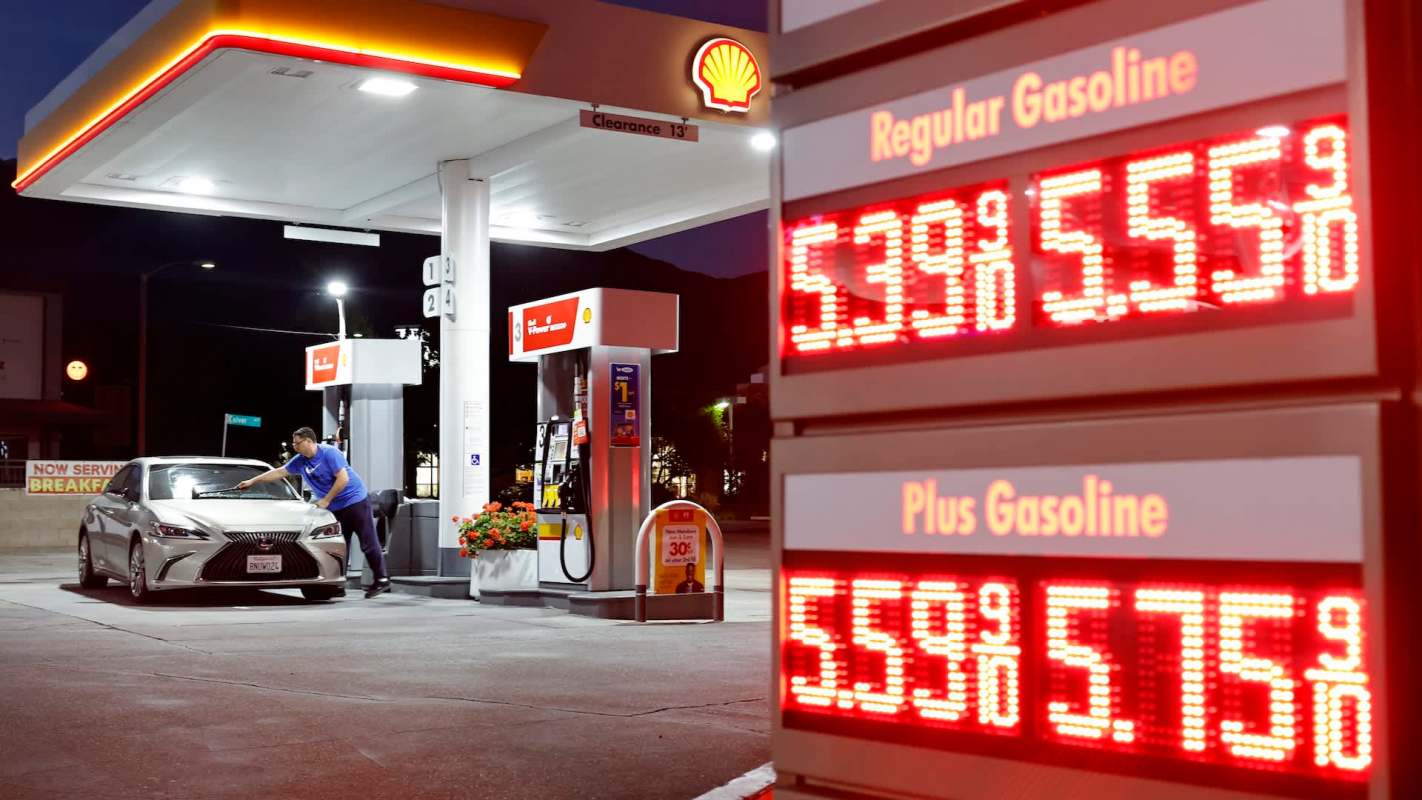
Near-$6 gas is putting fuel economy back at the center of car shopping in California, but it is not leading to the kind of spike in electric vehicle demand some might expect.
Instead of moving straight to fully electric models, many buyers are picking hybrids, which can cut fuel use without the higher upfront price that often comes with an EV.
What's happening?
Using figures from the California New Car Dealers Association, CBS News said hybrids have now outsold fully electric vehicles in California for the first time since 2020.
Those same numbers show EV sales have fallen 25% since the start of last year, while hybrids have reached a record share of the state's auto market.
At Toyota of Marin in San Rafael, Sales Manager Kiah Kopulsky said the change is easy to see on the lot. With hybrid versions available across nearly the full Toyota lineup, shoppers have more ways to reduce fuel costs without switching to an EV.
Affordability is a major reason for the shift, California New Car Dealers Association president Brian Maas said. "The average price of an EV is over $50,000." He added, "So, a consumer looking for a cheaper option is probably going to look at a hybrid if they're concerned about fuel economy, until we get EVs in the $30,000-40,000 price range."
TCD Picks » Quince Spotlight
💡These best-sellers from Quince deliver affordable, sustainable luxury for all




Why does it matter?
For many households, this is, first and foremost, a cost issue.
A hybrid can deliver strong gas mileage without requiring a home charger, careful planning for charging on long trips, or a monthly car payment that feels out of reach. When gas prices are rising, that can make a hybrid look like the more practical choice.
At the same time, the trend highlights how affordability challenges can slow the transition to cleaner transportation. Hybrids use less gasoline than traditional vehicles, but they still run on gas and produce tailpipe pollution.
If more drivers are priced out of EVs, communities lose out on faster air-quality improvements as well as the savings that can come from buying less gas.
California's new rebate effort is designed to help fill the gap left by a canceled federal EV tax credit, showing how the loss of purchase incentives can make cleaner vehicles harder for everyday buyers to afford, not just early adopters.
What's being done?
To help lower that barrier, California is rolling out a new rebate program called MyFirstEV.
As CBS News reported, first-time buyers could receive $3,400 for a new electric vehicle priced below $50,000, while used EVs would qualify for half that amount. The funding model calls for 13 participating automakers to cover half the cost, bringing the total program to $270 million.
John Higham, with the Electric Vehicle Association, said automakers still recognize the larger shift underway. "I think that it keeps U.S. manufacturers in the game a little bit, with respect to what's going on in the rest of the world," he said. "And I think manufacturers see the importance, and they're putting their money on the table."
As Kopulsky put it, "Until the gas hits ten dollars, I'm sure people are going to be ok with getting 50 miles to the gallon, or 40 miles to the gallon." For now, that calculation appears to be shaping California's car market.

Get TCD's free newsletters for easy tips, smart advice, and a chance to earn $5,000 toward home upgrades. To see more stories like this one, change your Google preferences here.






