


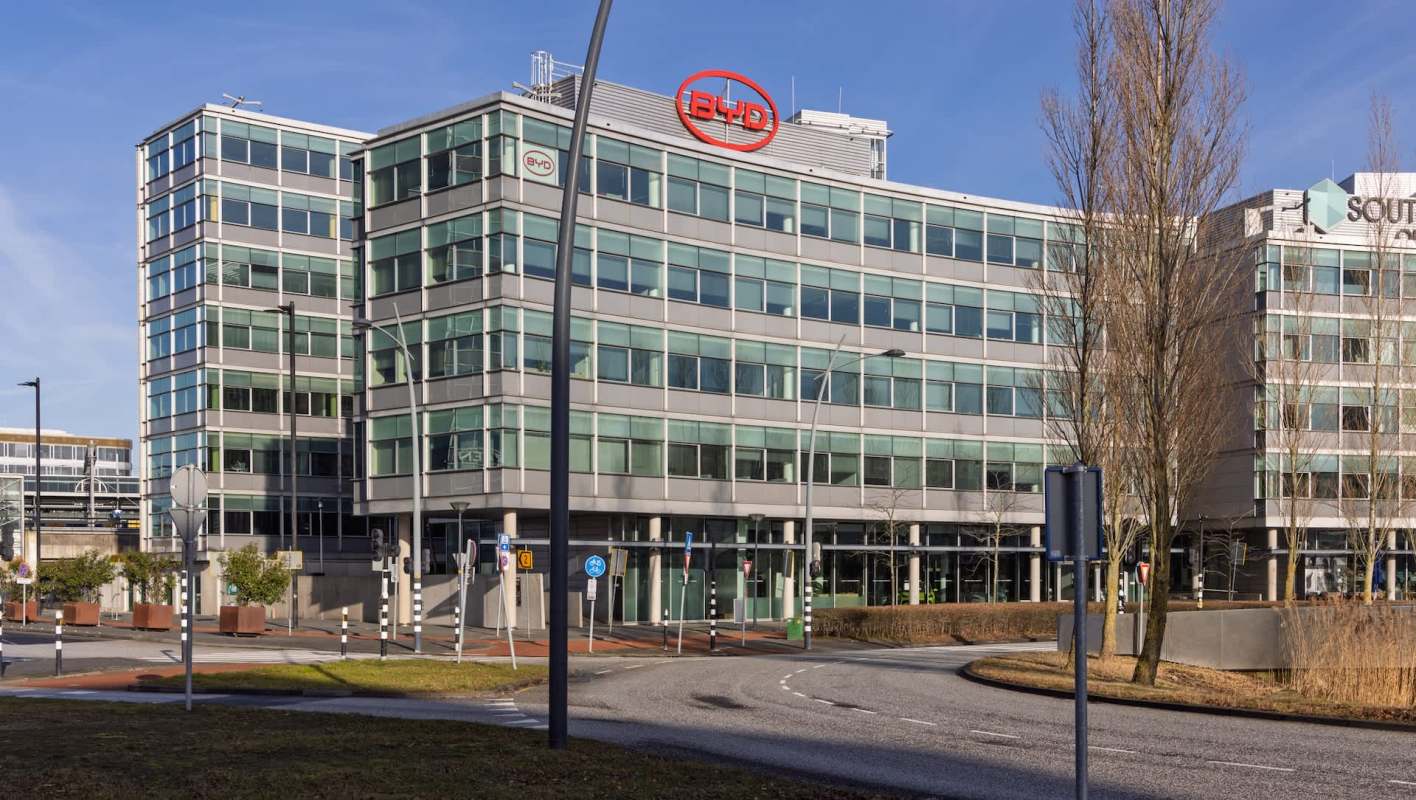
Hungary is taking a closer look at one of its biggest electric-vehicle investments after a former foreign minister who helped secure the deal resigned from Parliament and took an executive role with BYD, the Chinese automaker behind the project.
What happened?
Questions around the BYD project escalated after former Foreign Minister Peter Szijjarto left Parliament last week and then took an executive job with the company. Prime Minister Peter Magyar announced Monday that the government would review the investment.
According to The Washington Post, the focus has shifted from the project's expected economic benefits to concerns about a possible conflict of interest tied to how the deal was handled. Magyar told lawmakers that Szijjarto, a close ally of former Prime Minister Viktor Orban, had helped BYD while in office "with hundreds of billions (of forints) in public money, diplomatic support and state infrastructure."
Hungary has spent years trying to position itself as a hub for EV and battery manufacturing. Deals of this size can bring jobs and investment, but they can also come with government incentives, fast-tracked approvals, and major effects on nearby communities.
The revolving-door aspect is politically sensitive. Even when a project supports cleaner transportation, the appearance that a public official could personally benefit from a deal they helped shape can raise questions about whose interests were really being served.
Why does it matter?
Electric vehicles are a major part of cutting tailpipe pollution and reducing reliance on gasoline, helping improve air quality while potentially lowering fuel and maintenance costs over time.
TCD Picks » Quince Spotlight
💡These best-sellers from Quince deliver affordable, sustainable luxury for all




Progress depends in part on public trust in how these projects are approved and managed.
When that trust breaks down, it can slow momentum toward cleaner transportation. Communities may grow more skeptical of new battery and EV factories; projects that might otherwise offer real benefits can become mired in backlash.
BYD's Hungary factory is part of a broader wave of the automaker's European expansion, as it looks to acquire or use idle car plants across the continent.
Cleaner technology alone is not enough. If the process behind it appears opaque or unfair, communities may stop viewing green investment as a shared opportunity and start seeing it as another system that benefits insiders first.
What's being done?
The most immediate response is the investigation itself.
Cases like this often renew calls for stricter disclosure rules, clearer reporting on public subsidies, and longer cooling-off periods before politicians can join companies they once promoted or helped oversee. Guardrails like these help protect taxpayers while also allowing legitimate clean-energy projects to move forward with less suspicion.
"We will investigate who made these decisions, who prepared them, what professional warnings were ignored, and how much burden they left on Hungarian taxpayers, workers, local communities, and the environment," Magyar said.

Get TCD's free newsletters for easy tips, smart advice, and a chance to earn $5,000 toward home upgrades. To see more stories like this one, change your Google preferences here.






