


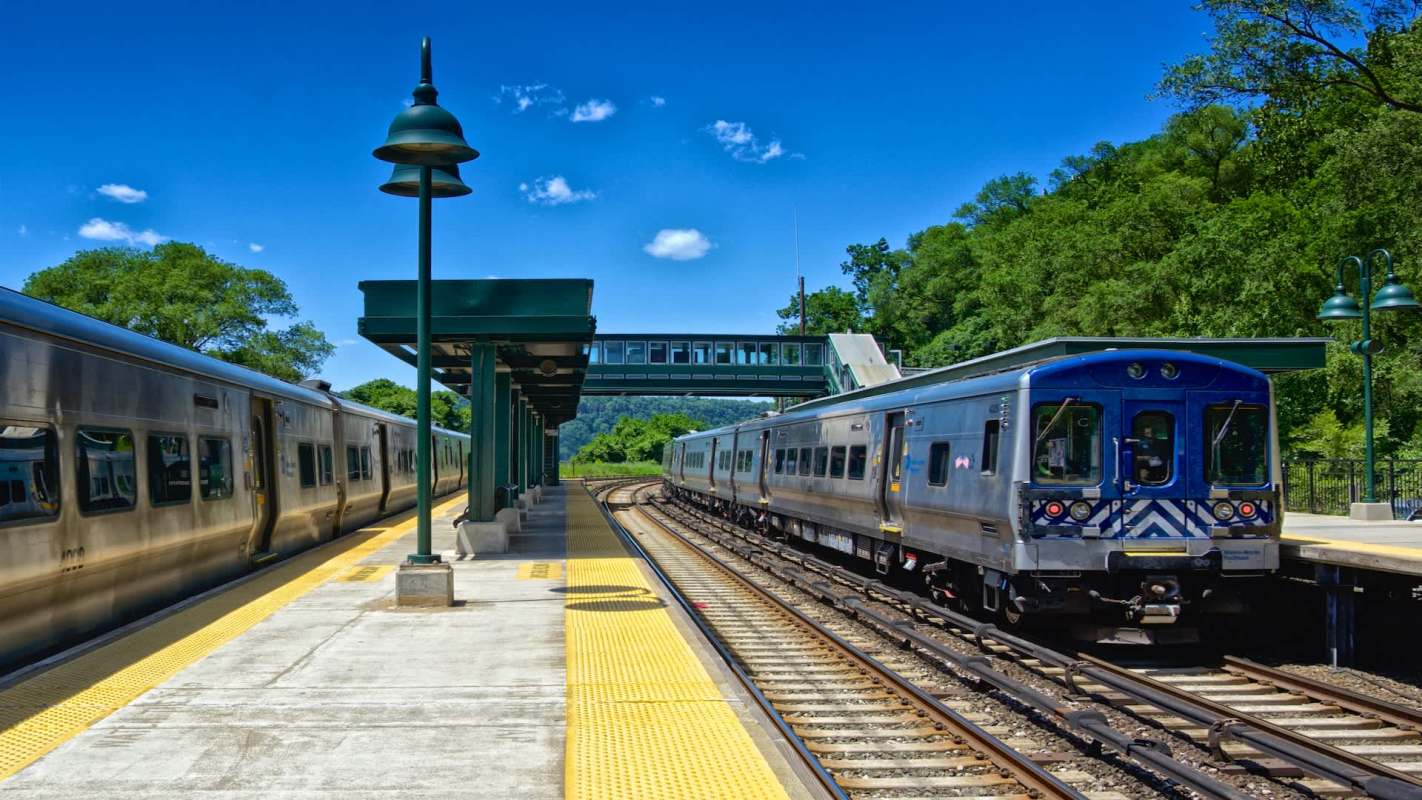
The Metro-North railroad is advancing a $270 million climate resilience project aimed at protecting a stretch of the Hudson Line from flooding, mudslides, and fallen trees.
The work centers on the 20 miles between Hastings-on-Hudson and Spuyten Duyvil, an area where higher water levels and stronger storms are posing growing risks to the rail corridor.
Here's what to know
As Lohud reported, New York's Metropolitan Transportation Authority expects construction to start in 2029 after awarding a $19.7 million design contract to a joint venture of STV and WSP. That award represents the first phase of the larger effort to make the line more resilient to climate-fueled extreme weather.
Jamie Torres Springer, the MTA's President of Construction and Development, explained that the Hudson Line faces greater climate risk than any other part of the authority's network, even including the New York City subway system, Lohud reported.
At a press conference, Torres Springer stated, "Unless we act, more than half of the 75-mile line is at risk of flooding during coastal storms," per Lohud, adding that, "Unless we act, that number will grow to 80% by the 2050s."
Each weekday, roughly 50,000 Metro-North riders use the segment between Spuyten Duyvil in the Bronx and Hastings-on-Hudson, per the Daily Voice. Because this part of the line runs alongside the Hudson River, it is especially exposed to floodwaters, sea level rise, and their associated impacts.
TCD Picks » Quince Spotlight
💡These best-sellers from Quince deliver affordable, sustainable luxury for all




The planned improvements include expanded culverts, reinforced retaining walls, and better drainage along the tracks and nearby slopes.
Where can I learn more?
For more on the climate and water threats behind projects like this one, these articles look at New York and beyond. They cover flood-resistant infrastructure, deadly extreme rainfall, and other risks to public systems and nearby communities.
• On Manhattan's East River, the first section of a flood-resistant waterfront park opened after Sandy.
• Across New York and New England, a 1,000-year rain event brought flash floods and deaths.
• New York City's reservoirs face an unexpected invasive threat that could harm water quality.

Get TCD's free newsletters for easy tips, smart advice, and a chance to earn $5,000 toward home upgrades. To see more stories like this one, change your Google preferences here.






