


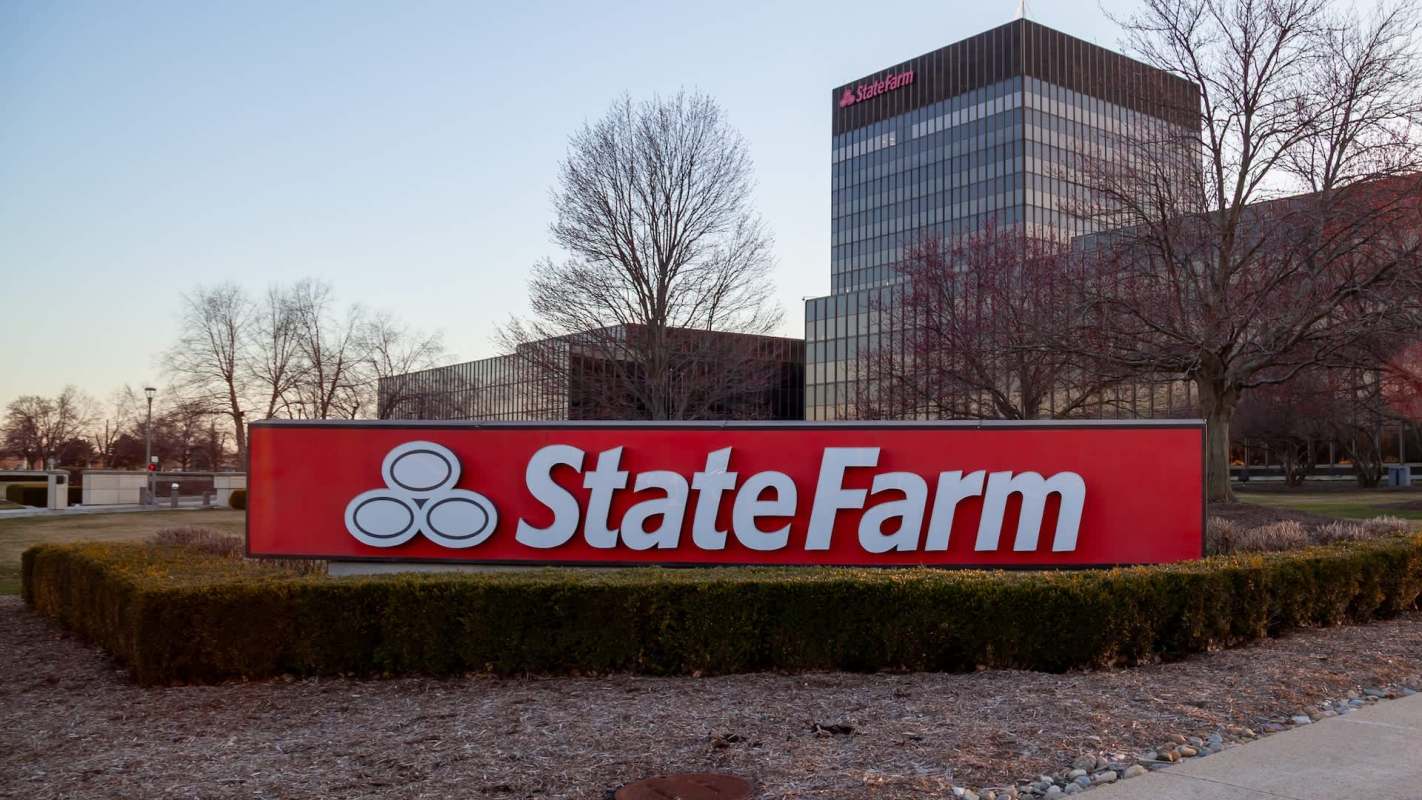
State officials say homeowners insurance rates are easing for many Texans, but a new filing from the state's biggest carrier complicates that picture, according to ABC13.
While regulators cite decreases affecting about 700,000 policyholders statewide, State Farm Lloyds is seeking higher homeowners premiums on roughly 751,000 Texas policies.
Here's what to know
The Texas Department of Insurance's update said that, since July 1, most homeowners insurers seeking rate changes had filed for cuts, a shift the agency said affected about 700,000 policyholders, as ABC13 reported.
Homeowners filings averaged a 4.3% decrease, while auto rate reductions reached 4.4 million policyholders.
Insurance Commissioner Amanda Crawford said, "Lower rate filings are an encouraging sign for Texas consumers."
That homeowners figure, however, is a simple average.
TCD Picks » Quince Spotlight
💡These best-sellers from Quince deliver affordable, sustainable luxury for all




"The average isn't weighted by premium volume or number of policyholders. Individual company trends will vary," TDI spokesperson Mistie Hinote said in a statement, as ABC13 relayed.
On auto insurance, Hinote told 13 Investigates that insurers had "on average, filed for a 0.6% increase in insurance rates in the last 90 days."
A July 29 filing from State Farm Lloyds, Texas' largest homeowners insurer, seeks a 4% statewide increase. The company estimated that 751,000 of its roughly 987,000 Texas homeowners policies would get increases, and 234,000 would get decreases.
More background
State Farm estimated that more than 135,000 policyholders would see hikes of at least 10%, and nearly 1,800 would face increases of more than 25%.
The filing says those estimates do not include inflation-coverage effects, and the higher rates are set to begin with renewing policies on Nov. 1.
County-by-county figures in the Houston region show average homeowners increases of 3.6% in Harris, 5.3% in Fort Bend and 5.8% in Montgomery.
The filing comes after several years of steep insurance increases in Texas. According to TDI, the weighted average homeowners rate change was 10.8% in 2022, 21.1% in 2023, and 18.7% in 2024, before it eased to 4.3% in 2025.
The average Texas homeowners premium rose from around $1,500 per policy in 2020 to roughly $2,460 in 2025 — about 63% higher.
What's being done?
TDI has not yet completed its review of State Farm's filing.
Regulators used a written objection in the public record to ask the company to explain its need for higher rates "given assumed favorable industry and company results in 2025... and lowering reinsurance costs."
ABC13 relayed that State Farm responded, "Many things go into an indication outside of reinsurance costs."
The company cited poor liability loss experience, severe storms in Texas, and rising insured home values, saying those factors put "upward pressure" on rates "despite favorable results in 2025."
Even though the company filed for 4%, State Farm's filing memo also said its own data supported a larger 10.9% increase.
TDI says it has been urging insurers to revisit their numbers as losses improve.
Hinote said, "Insurance companies saw fewer losses than usual in 2025," adding that Crawford has "encouraged insurance companies to look at their data to determine if they can support and adopt lower rates."
Where can I learn more?
Similar insurance pressures are playing out elsewhere.
• State Farm drew backlash after a proposed 30% increase hit many homeowners.
• In California, CSAA warned families could face coverage gaps after premium hikes.
• New projections in North Carolina show home insurance rates skyrocket as risks mount.
• Insurance prices continue to soar across the U.S., deepening pressure on housing costs.

Get TCD's free newsletters for easy tips, smart advice, and a chance to earn $5,000 toward home upgrades. To see more stories like this one, change your Google preferences here.






