



For many Americans 55 and older, the prospect of a more financially secure retirement is colliding with a tougher reality: everyday costs keep rising, and many homeowners don't expect much relief, HousingWire reported.
Only 28% of homeowners ages 55 and older said they expect their finances to improve, according to Longbridge Financial's inaugural 2026 Home Equity Confidence Index.
Here's what to know
Morning Consult conducted the survey from Mar. 26 to Apr. 5 and collected responses from 2,021 U.S. homeowners ages 55 and older.
Forty-four percent said their situation would probably remain about the same, 23% expected it to be worse, and 5% were unsure.
Major financial stress was widespread, with nine in 10 respondents reporting at least one major concern. Inflation was the most commonly cited issue at 67%, followed by healthcare at 43%.
Property taxes and home maintenance were each named by 38% of respondents, while 26% pointed to homeowners insurance.
"The topline inflation number is important, but I think the more revealing story is what sits underneath it," said Chris Mayer, CEO of Longbridge Financial.
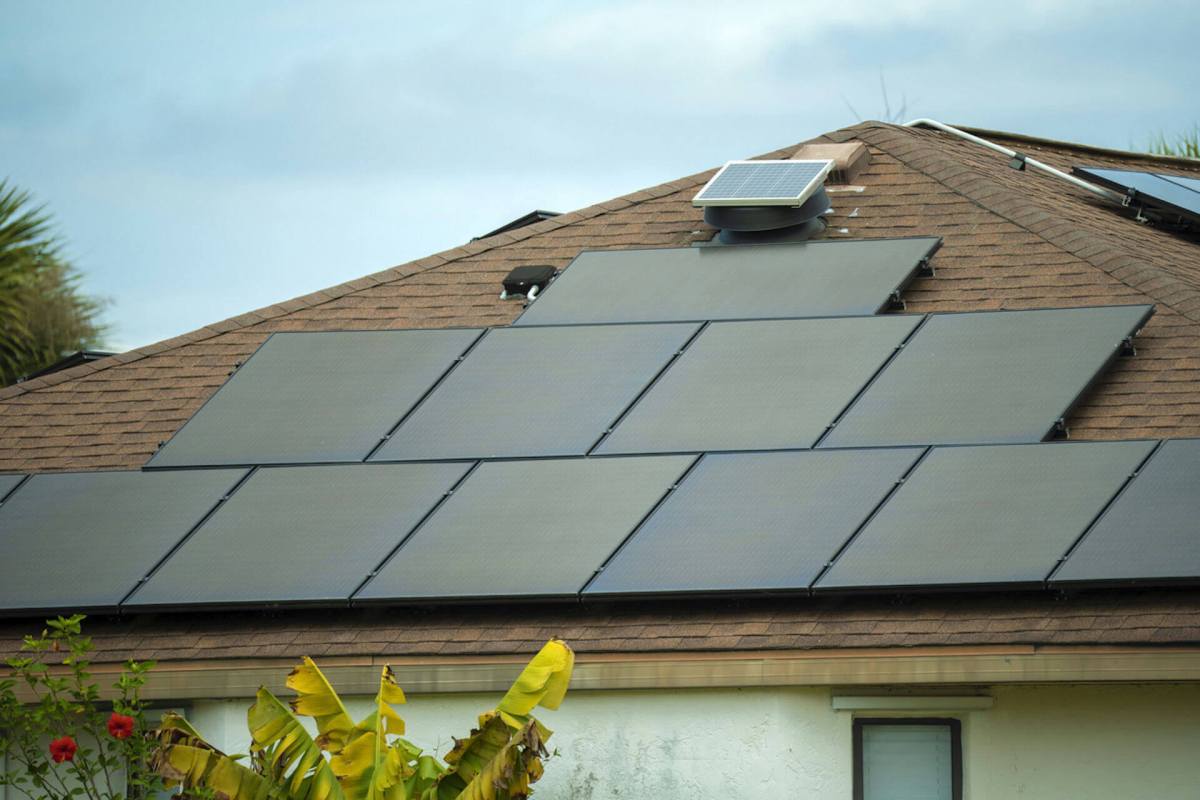
One household cost some owners can lower is energy — going solar is one of the best ways to save money on home energy, and homeowners can visit EnergySage to get free solar installation estimates and compare quotes.
Save $10,000 on solar panels without even sharing your phone number Want to go solar but not sure who to trust? EnergySage has your back with free and transparent quotes from fully vetted providers that can help you save as much as $10k on installation. To get started, just answer a few questions about your home — no phone number required. Within a day or two, EnergySage will email you the best local options for your needs, and their expert advisers can help you compare quotes and pick a winner. |

More background
Financial confidence varied sharply by income.
In the $100,000-and-up household bracket, 76% said they felt confident about their future financial security. That share fell to 58% for those earning between $50,000 and $100,000 and 39% for those making under $50,000.
A similar divide appeared in confidence about covering daily costs.
Eighty-six percent of respondents in the top income tier said they were confident they could handle everyday expenses, compared with 57% of those below $50,000.
More From EnergySage
💡Go deep on the latest news and trends shaping the residential solar landscape


The gap was wider for retirement extras such as leisure and travel: 79% of the highest-income homeowners said they could afford them, versus 36% of the lowest-income group.
Women reported more financial stress than men in several areas.
Home maintenance produced the biggest split, with 45% of women labeling it a major concern versus 31% of men.
Women were also more likely to cite homeowners insurance and inflation as major worries.
What can be done?
For homeowners looking for one expense they can control, solar reduces monthly utility costs and makes energy bills more predictable.
With EnergySage's help, the average person can save up to $10,000 on solar purchases and installations. Comparing several quotes in one place makes it easier to decide whether a project fits your roof, budget, and long-term plans.
Homeowners can also use EnergySage's solar map, which shows the average cost of a home solar panel system by state, along with details on solar panel incentives for each state.
Together, these resources can help homeowners get the best price for rooftop solar panels and access all available incentives.
Adding battery storage to a solar setup is one of the best ways to protect your home during outages. It can also help save money on energy and make it easier to go off-grid.
Homeowners can visit EnergySage for information about home battery storage options, including competitive installation estimates.
"When you dig into the data, you see that confidence looks very different depending on household income, and women are reporting greater concern than men across several financial pressures," Mayer observed.
"That matters because the averages only tell us so much. If we want to understand how older homeowners are really feeling about their financial security and retirement, we have to understand who is feeling confident and who is facing more uncertainty right now."

Get TCD's free newsletters for easy tips, smart advice, and a chance to earn $5,000 toward home upgrades. To see more stories like this one, change your Google preferences here.






