


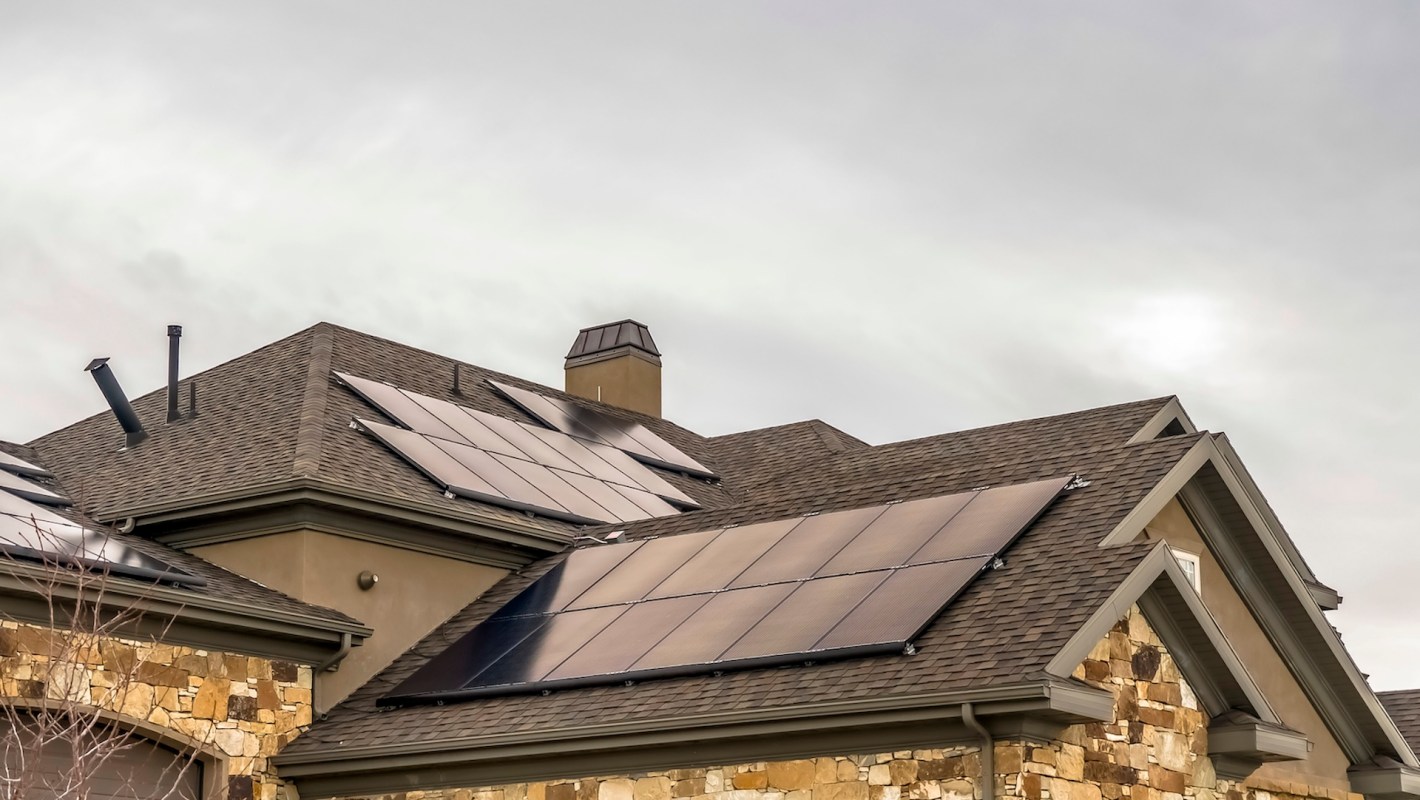
A homeowner's plea for help after a solar payment suddenly doubled — while half the panels stopped working — is a reminder that a money-saving upgrade can quickly go off track when the financing is flawed.
What happened?
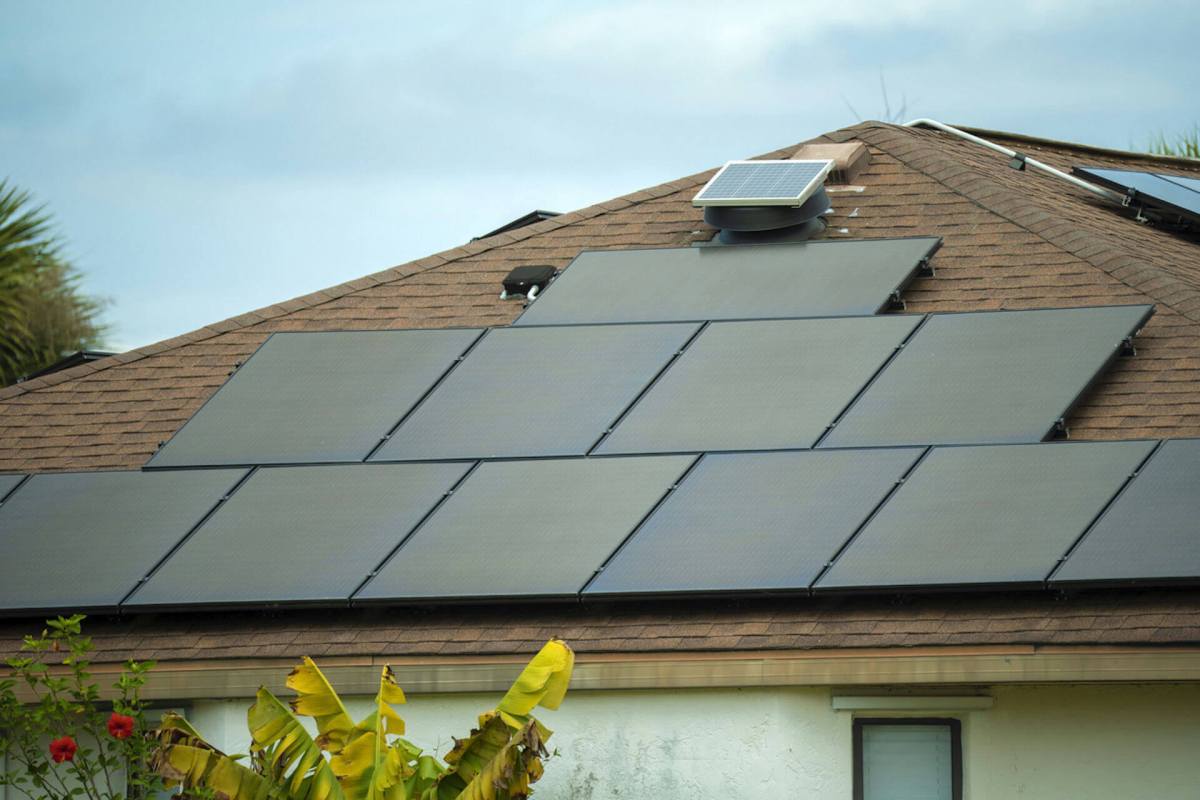
In a post on Reddit, one homeowner described their frustrating situation: "I have solar panels on my roof and my monthly payment went from around $160 to $327. Also, about half of my panels are not even working."
After dealing with the higher bill and failing equipment, the homeowner said Facebook ads began appearing with promises to end solar contracts within six months. The offer came with a catch — "$6,000 upfront" — leading the homeowner to ask in the r/solar forum, "Is this legit or just another scam?"
While solar is one of the best investments available for people looking to save money on energy costs, there are some less-established and thus less-reputable companies in the space, so those interested must do enough homework to feel safe about any company and its customer support protocols — as well as whether any leasing or financing contract has any hidden escalators.
One commenter identified that while the installer went bankrupt, the screenshots of their system performance suggested they should still be getting support from the company SolarEdge, which should be on the hook for repairs and sorting out any billing issues. SolarEdge is a large company, though it has only a 2.8-star rating on EnergySage.
"Call SolarEdge customer service and see if the optimizers are not producing, or not communicating," they wrote. "Then see if there is an update they can push through to see if the optimizers will start producing and/or communicating (whichever they are not). If that doesn't work, they'll make you get a tech on site to diagnose and fix the issue or they find what's wrong and issue you an RMA on the malfunctioning equipment.
"Besides that, you could have some legal recourse since the panels aren't operating, but you need to look at your contract, your loan, the terms, and see who's responsible for the maintenance. Otherwise, if you signed a contract with an escalator, you're probably stuck with the increased payments."
Solar can save a ton of money, often paying for itself in just 5-7 years, but hidden escalation clauses can quickly make the expected savings disappear until the panels are truly paid off. It's always best to work with trusted, verified installers and to ensure you fully understand what you're getting before signing on the dotted line.
Save $10,000 on solar panels without even sharing your phone number Want to go solar but not sure who to trust? EnergySage has your back with free and transparent quotes from fully vetted providers that can help you save as much as $10k on installation. To get started, just answer a few questions about your home — no phone number required. Within a day or two, EnergySage will email you the best local options for your needs, and their expert advisers can help you compare quotes and pick a winner. |

Why does it matter?
A well-installed solar system can lower bills for years. A bad contract can do the opposite.
Financing details matter just as much as panel quality. When shopping, ask about escalators, review the contract in detail, and check reviews to ensure you're getting the best possible deal on solar.
If you want to make the switch, EnergySage can help connect you with vetted local installers and can save you up to $10,000 on installation through curated, competitive bids.
In this user's case, people in the comments warned against Facebook ads that make big promises while requiring a large upfront payment.
More From EnergySage
💡Go deep on the latest news and trends shaping the residential solar landscape


"I have seen companies like this but you have to read it carefully," one user warned. "They … charge $6,000, and then they can't get you out of the contract."
Others suggested the user discuss the issue with their installer to try to get the system fully running.
However, commenters noted that not every legal advertisement is a scam, adding that finding legal representation in situations like this can be helpful.
"All depends on your state, contracting laws, your contract, etc. Good luck," the first commenter said.

Get TCD's free newsletters for easy tips, smart advice, and a chance to earn $5,000 toward home upgrades. To see more stories like this one, change your Google preferences here.






